


One of the great reasons that inspire us to travel is, of course, to know and taste the typical food of the places we visit, so we can find all kinds of food from Spanish diets. Sometimes you feel like discovering it on your own and/or following local recommendations, but you may also prefer not to worry about it and hire a package that includes this service.
The Camino de Santiago is history, culture, nature and people, but it is also gastronomy. And it could be said that gastronomy in turn also reflects the history, culture and idiosyncrasy of each village along the Camino.
In each of our trips to the Camino de Santiago you have the possibility to hire all the meals you want or manage them on your own.
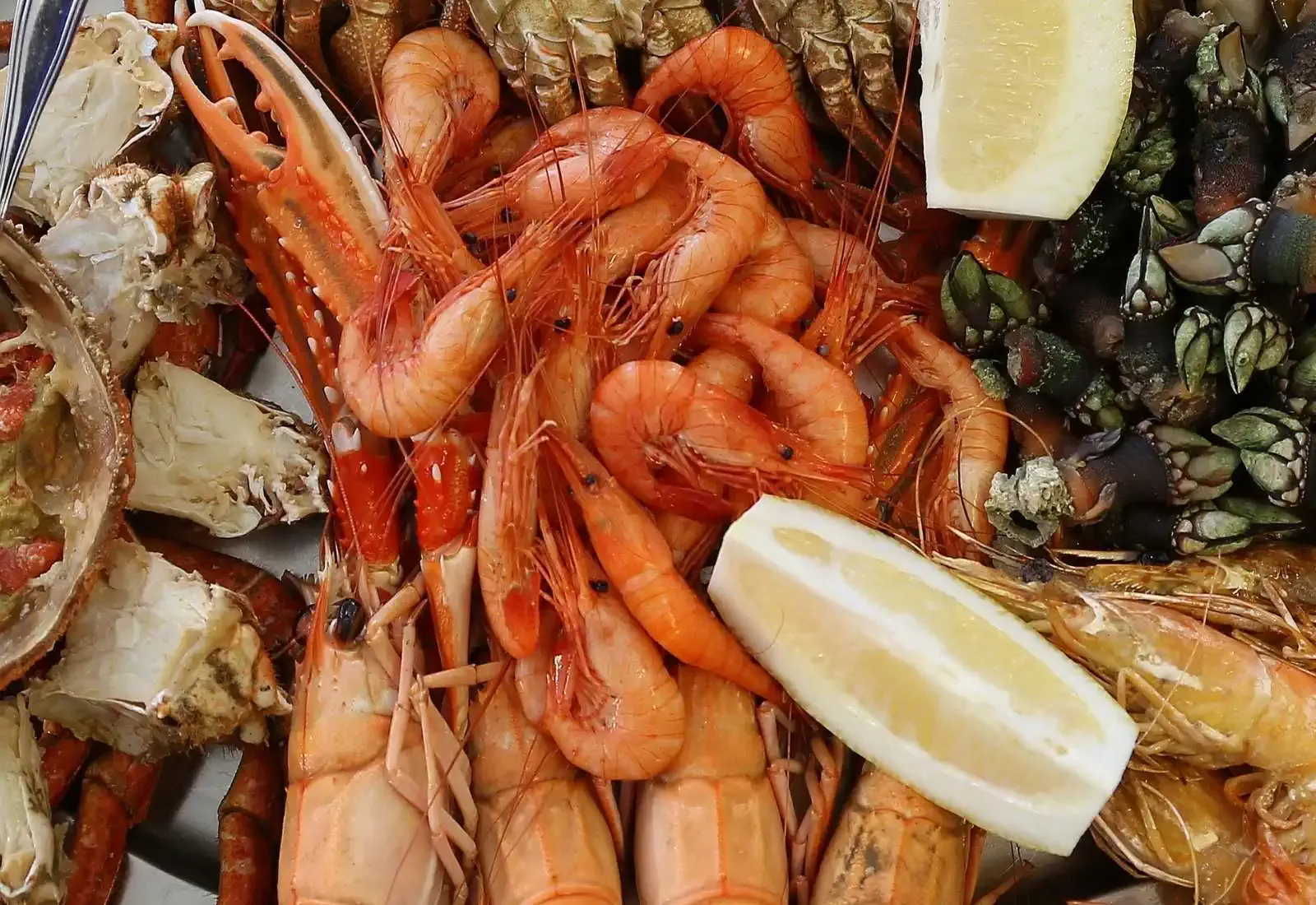
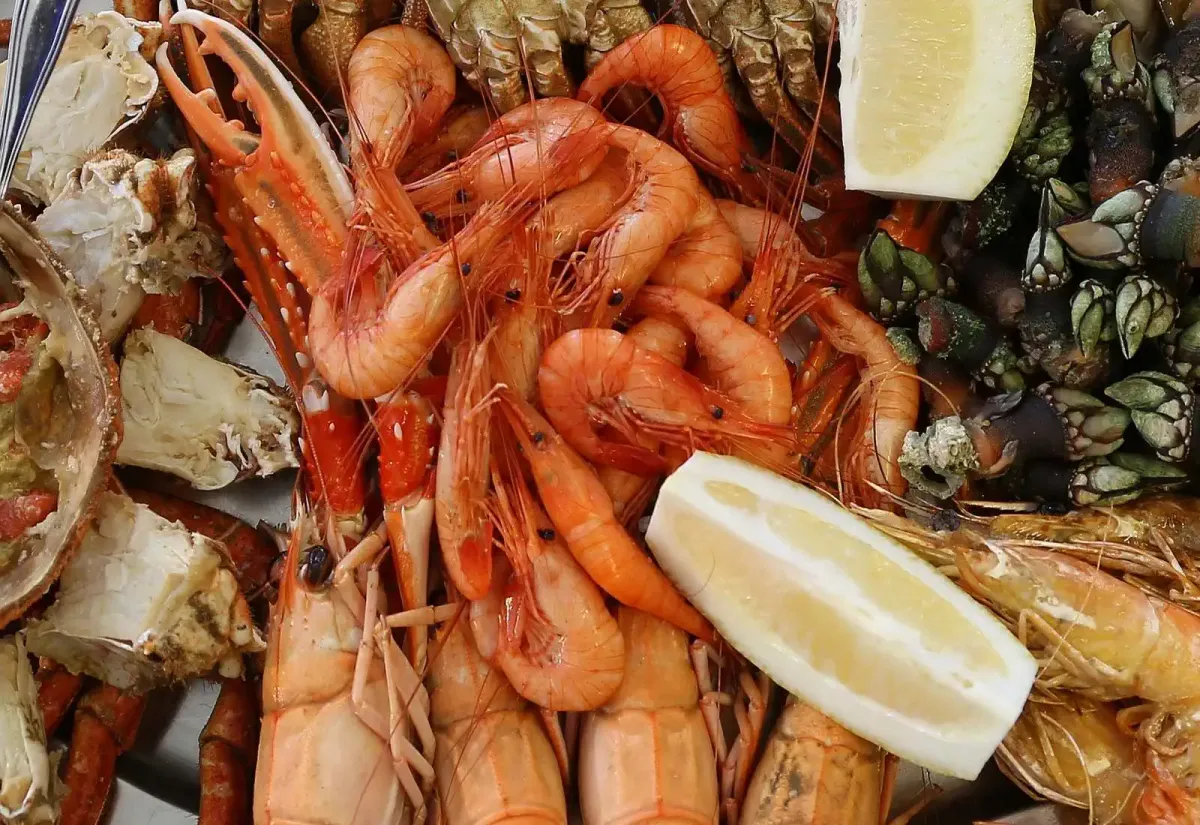
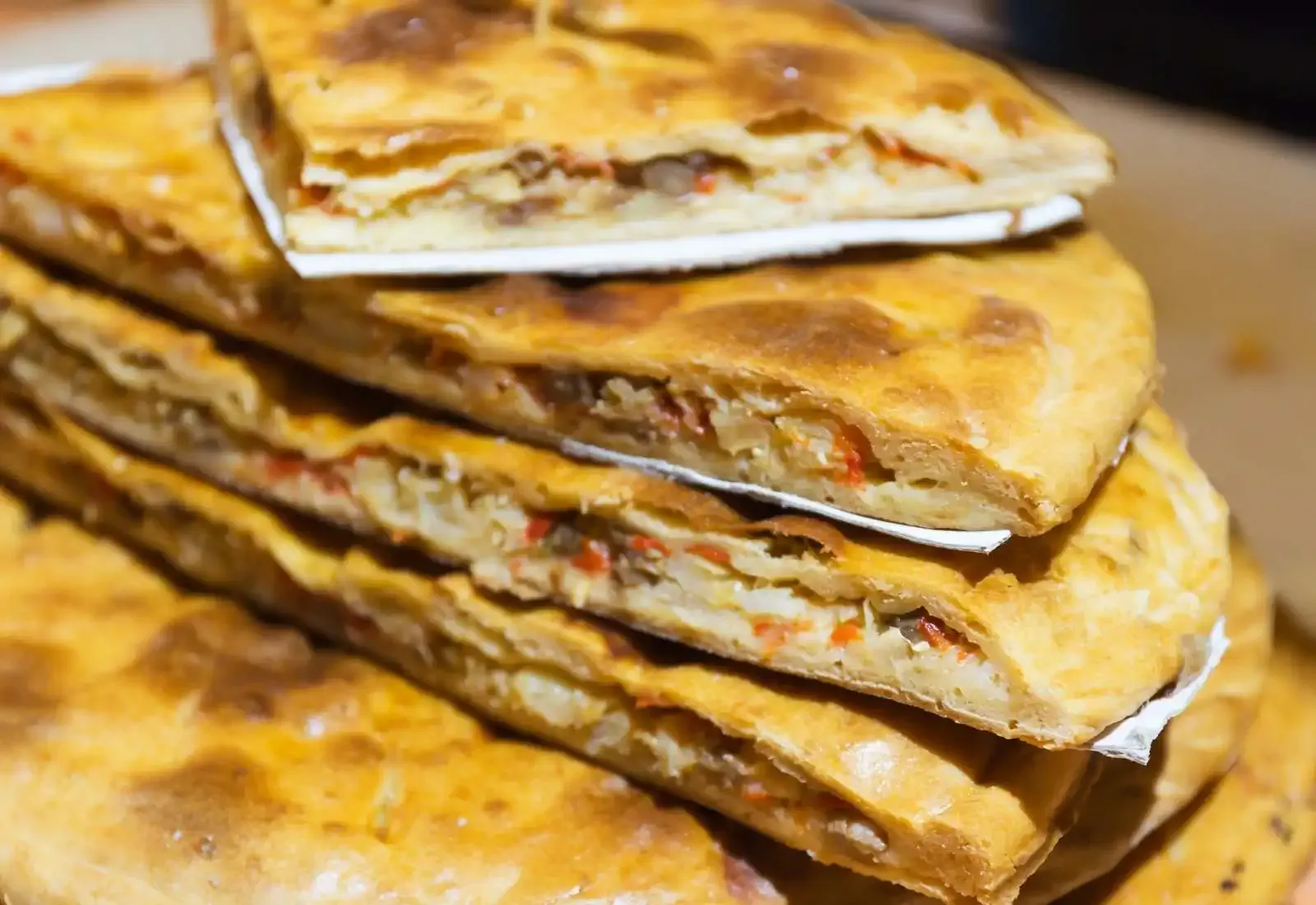
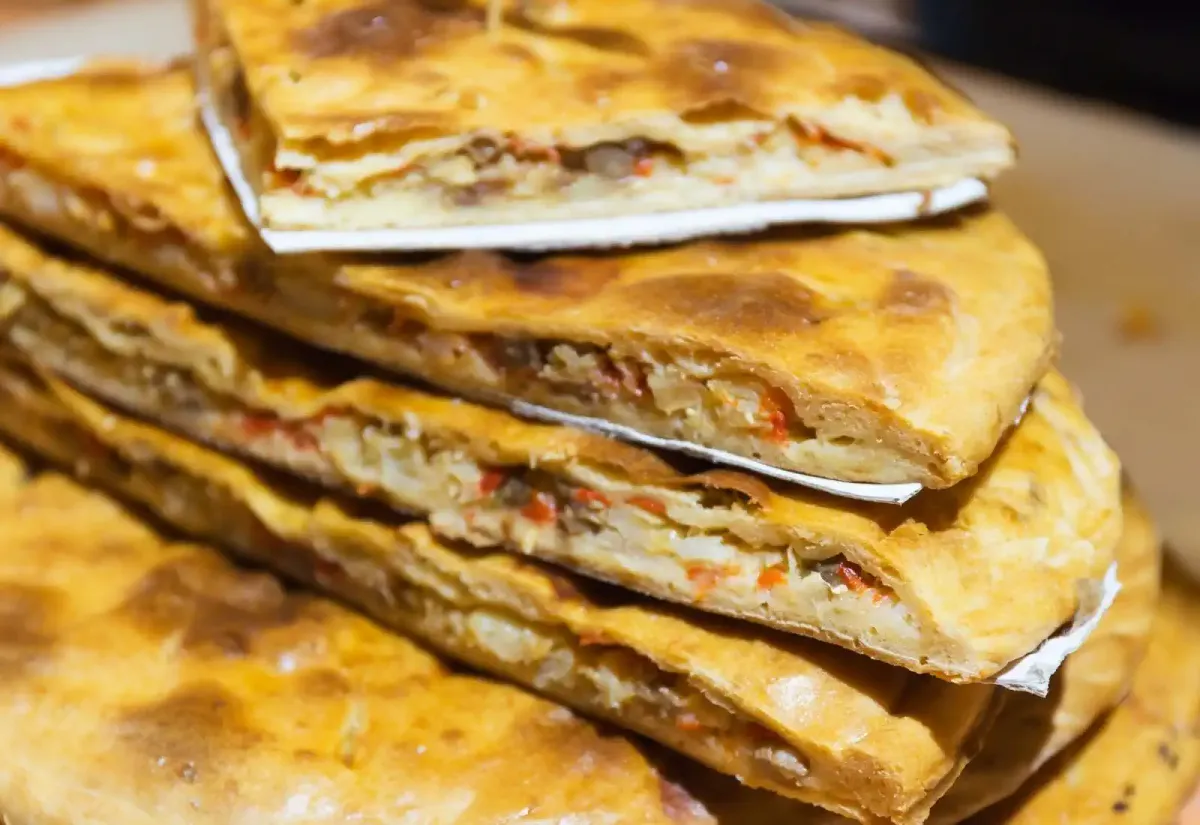
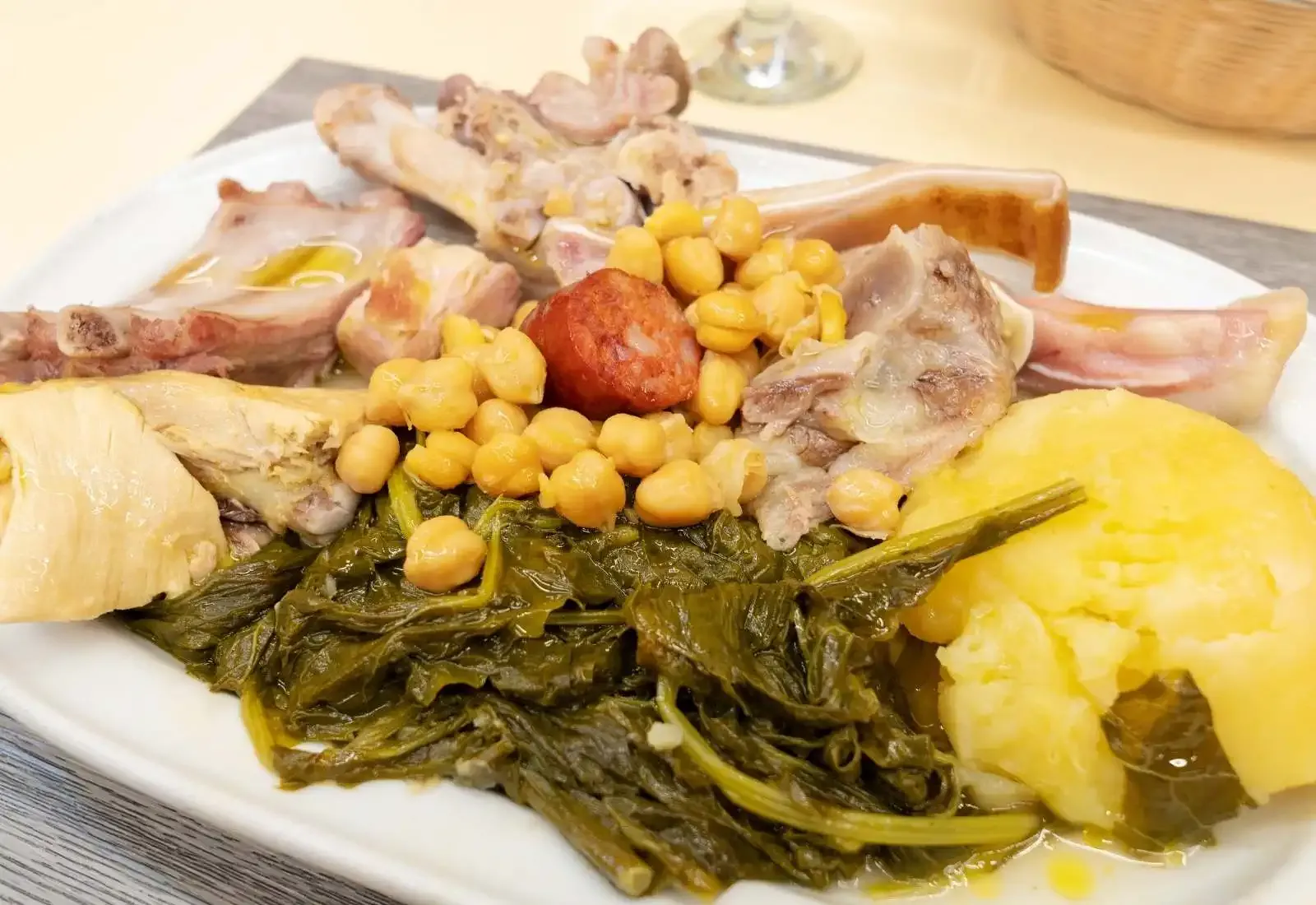
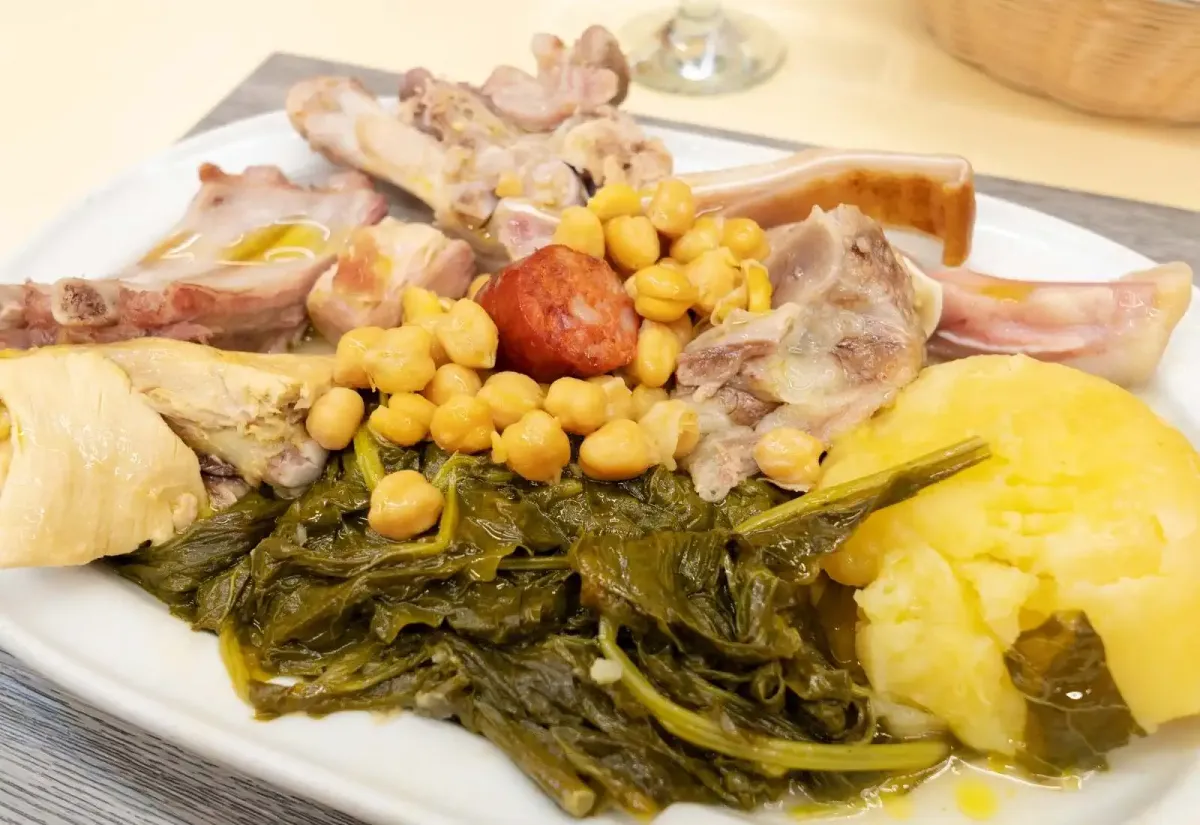
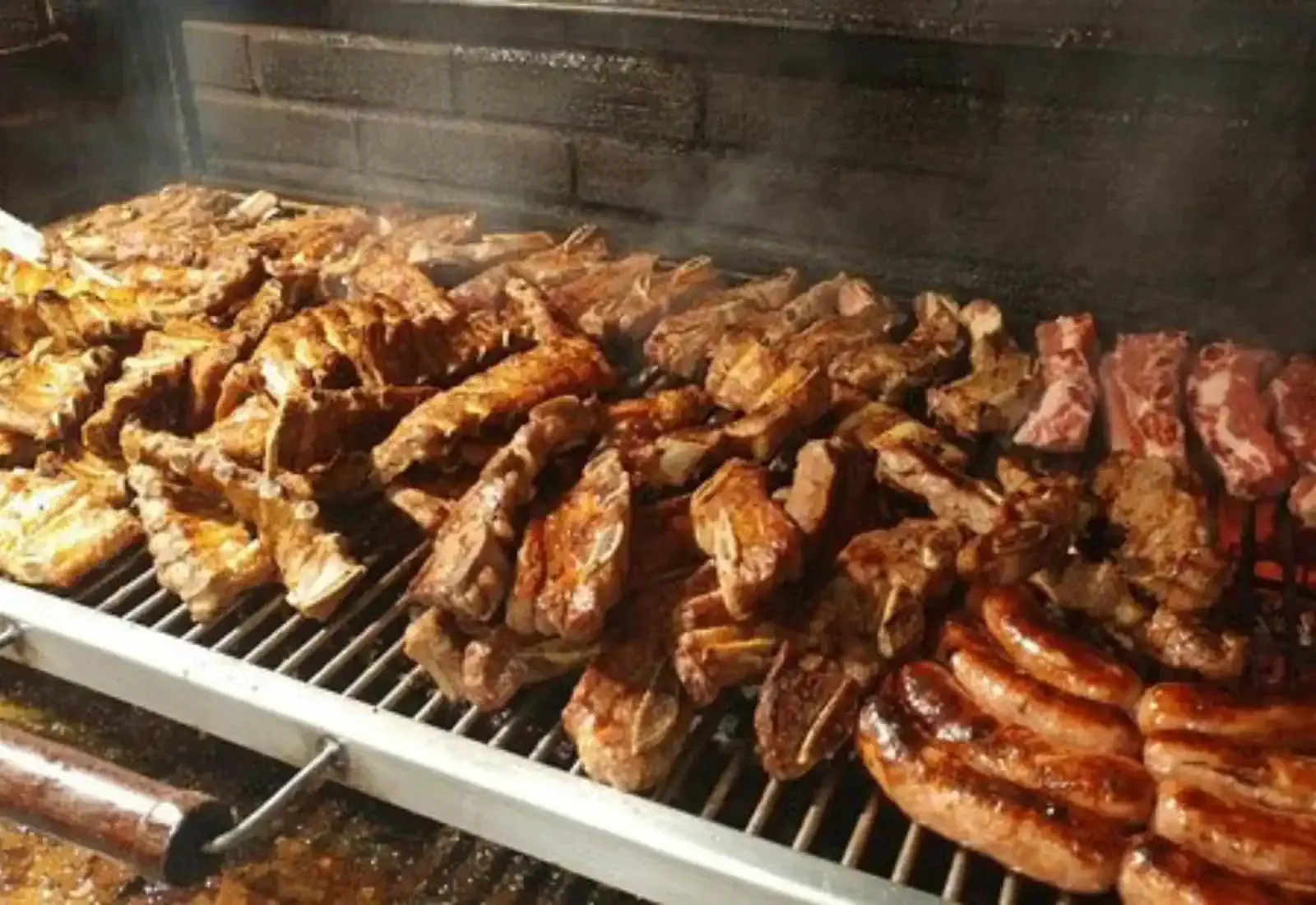
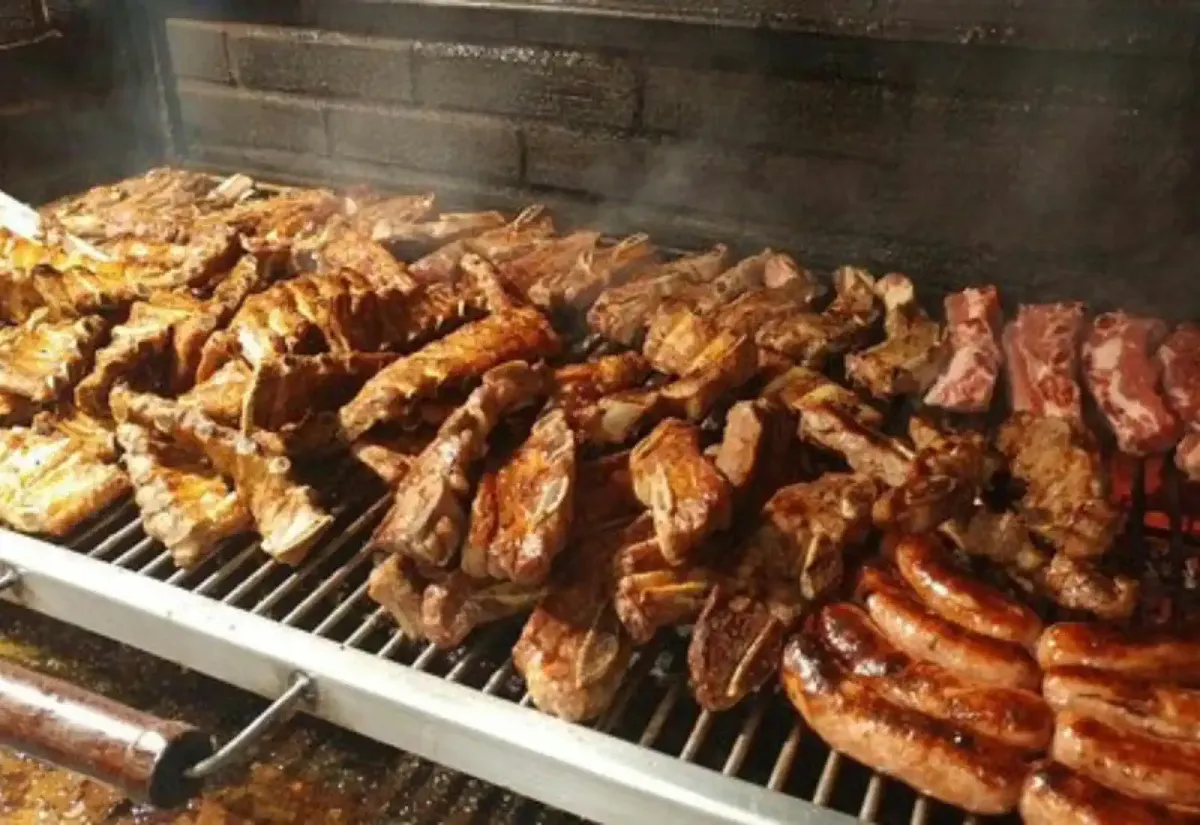
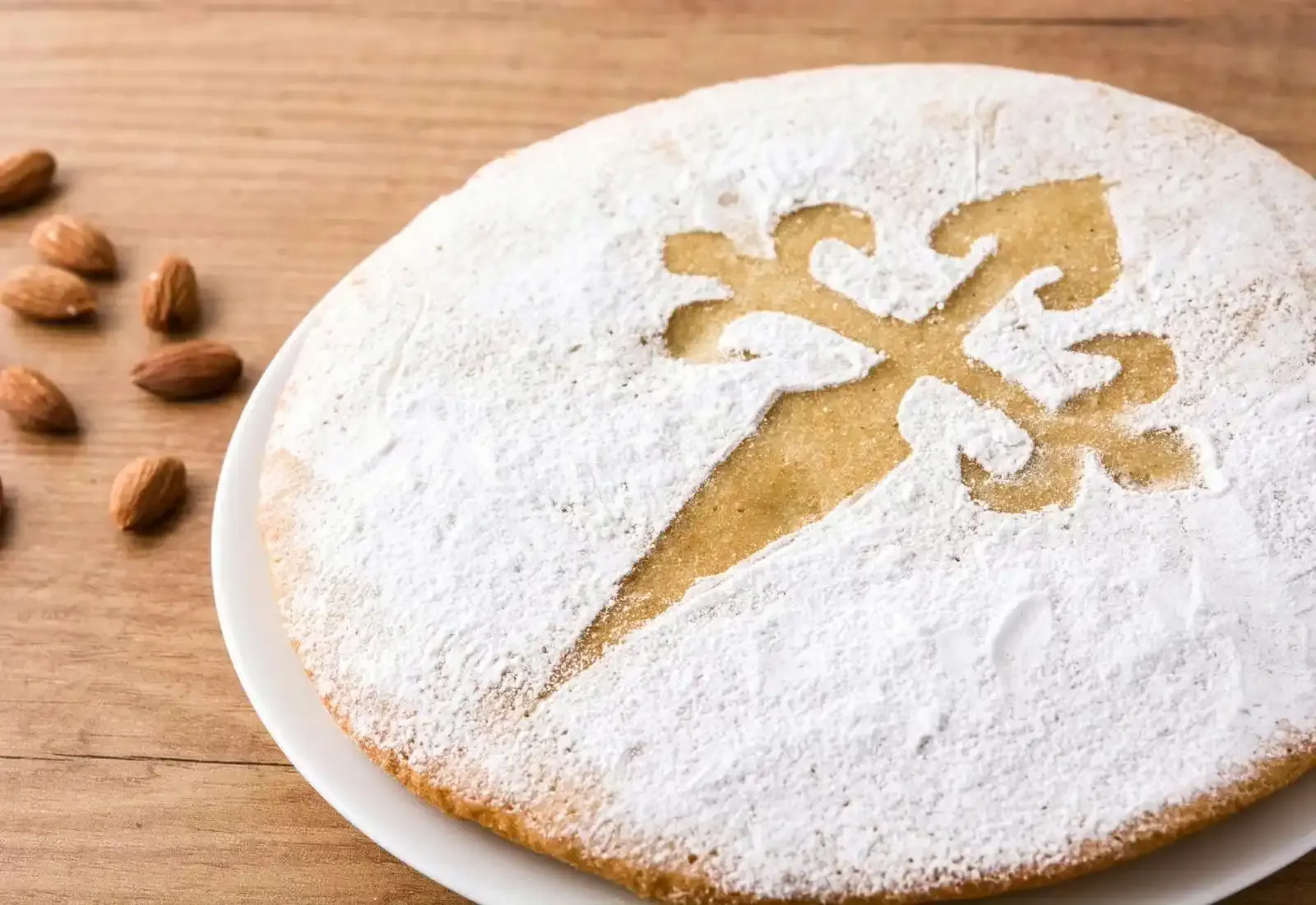
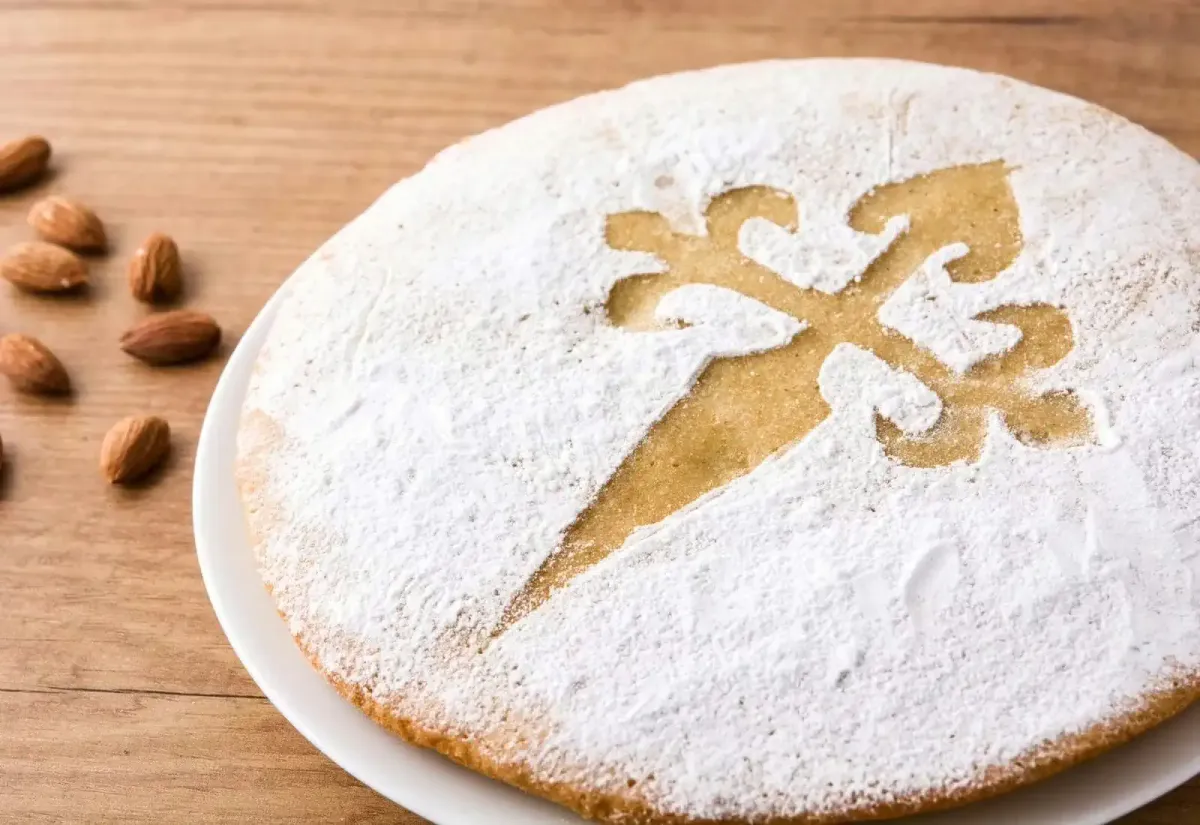
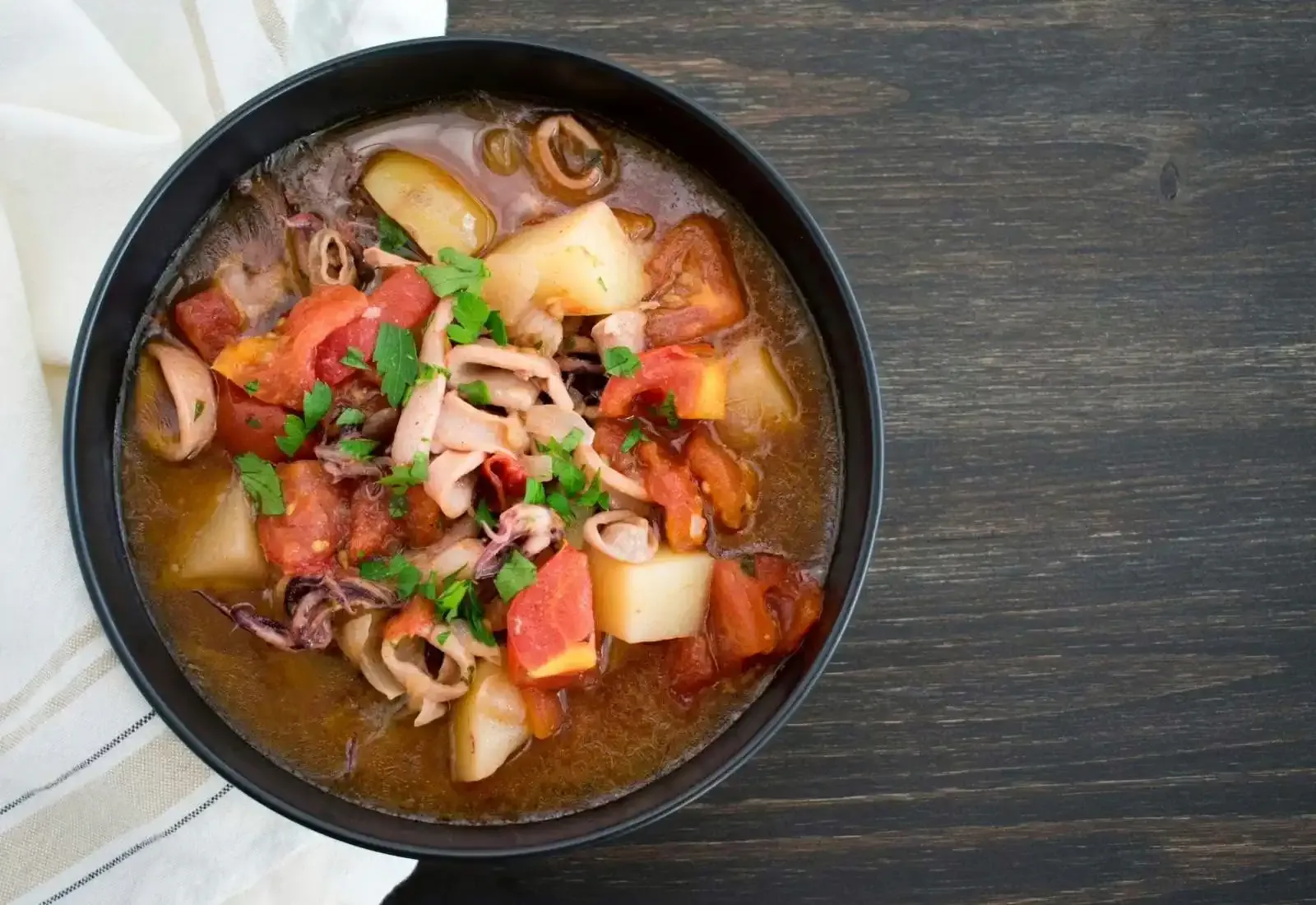
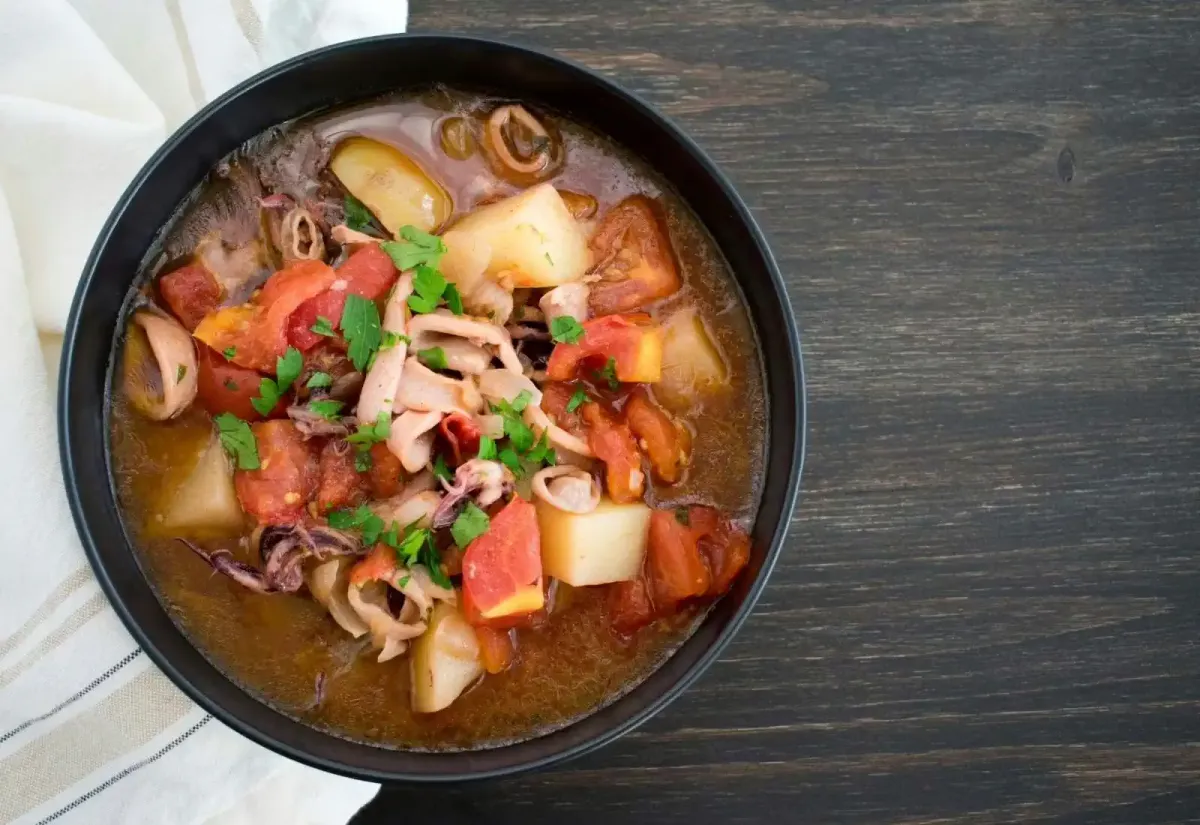
Contracted meals
In case you prefer not to worry about it and do the Camino de Santiago with your meals contracted, you can do it without any problem by contracting any of the following types of meals.
Breakfast
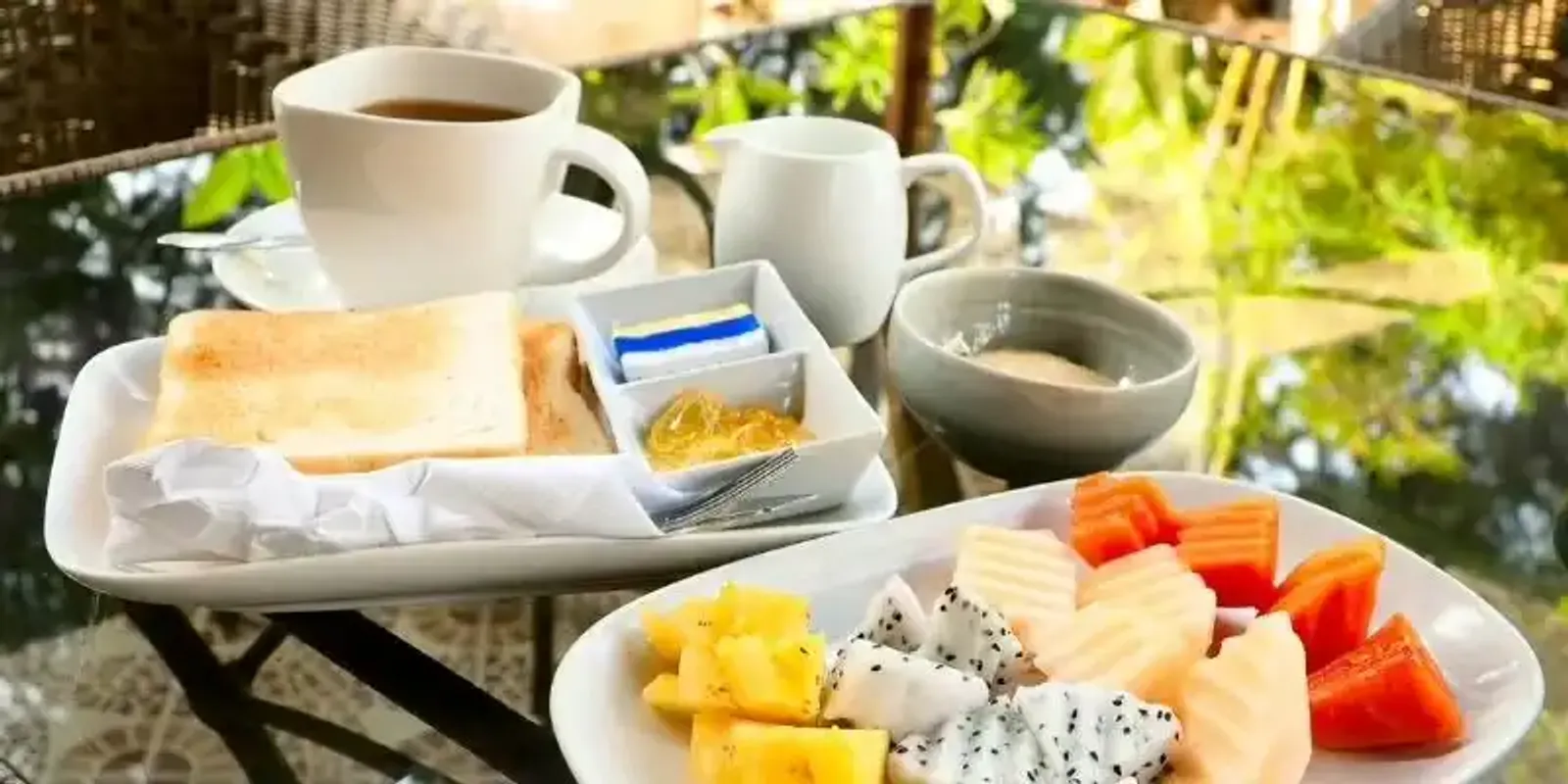
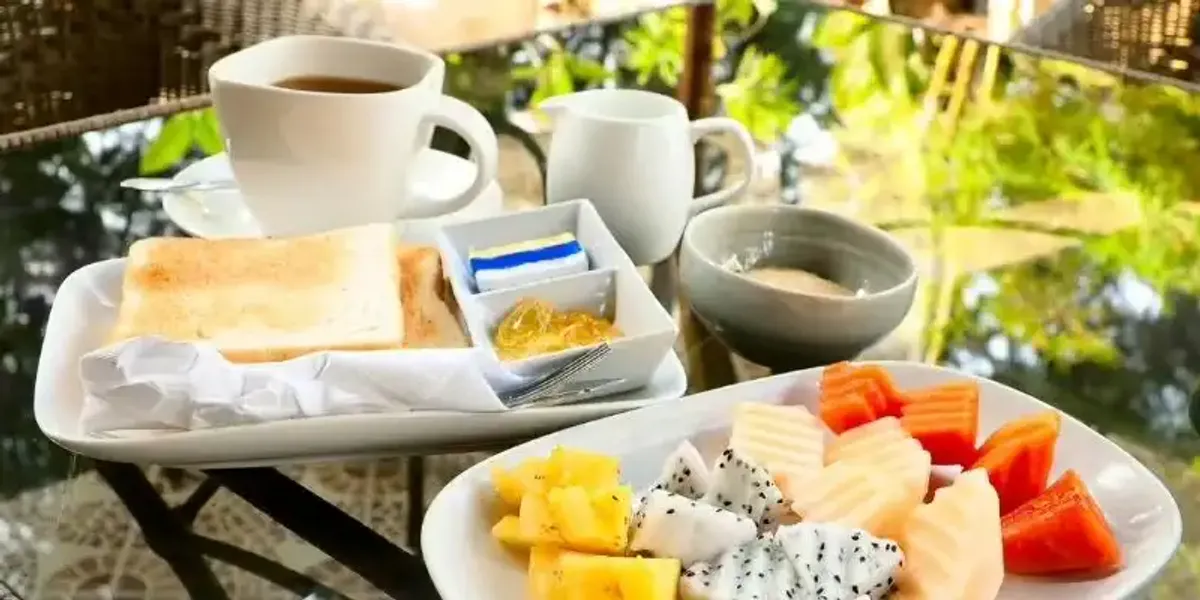
Breakfast is the most important meal for the pilgrim. You will have complete breakfasts, perfect to face the stage full of energy. They usually include a drink of your choice (coffee, tea, milk, colacao), fresh juice, toast, pastries and a piece of fruit.
Half board
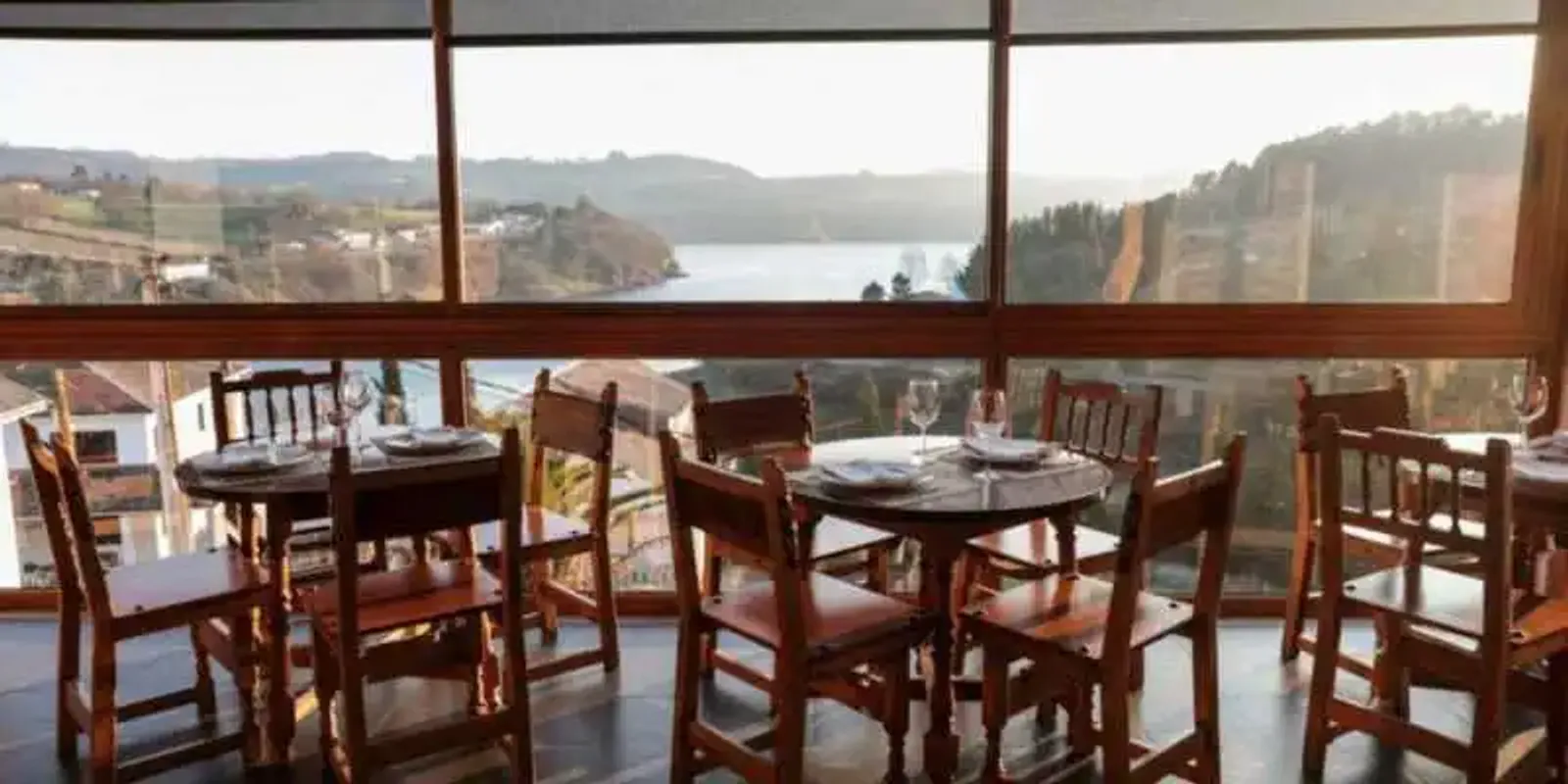
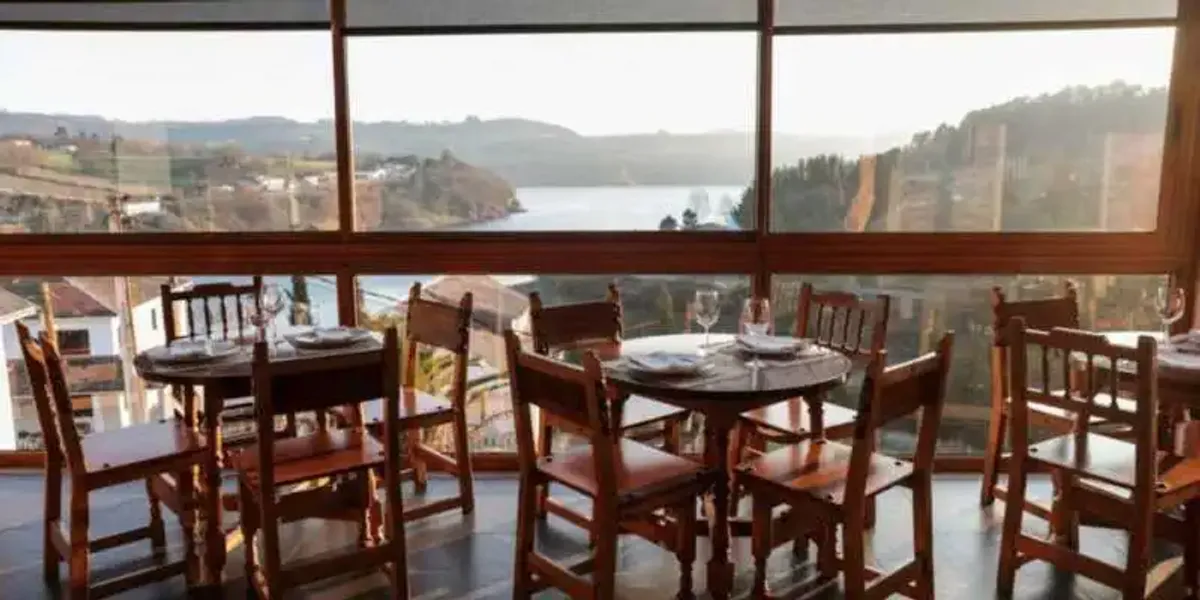
Half board (HB) includes breakfast and dinner. The contracted restaurants will offer you for dinner a menu of the day with a first course, second course, dessert, coffee, bread and drink, with several options to choose from.
Lunches
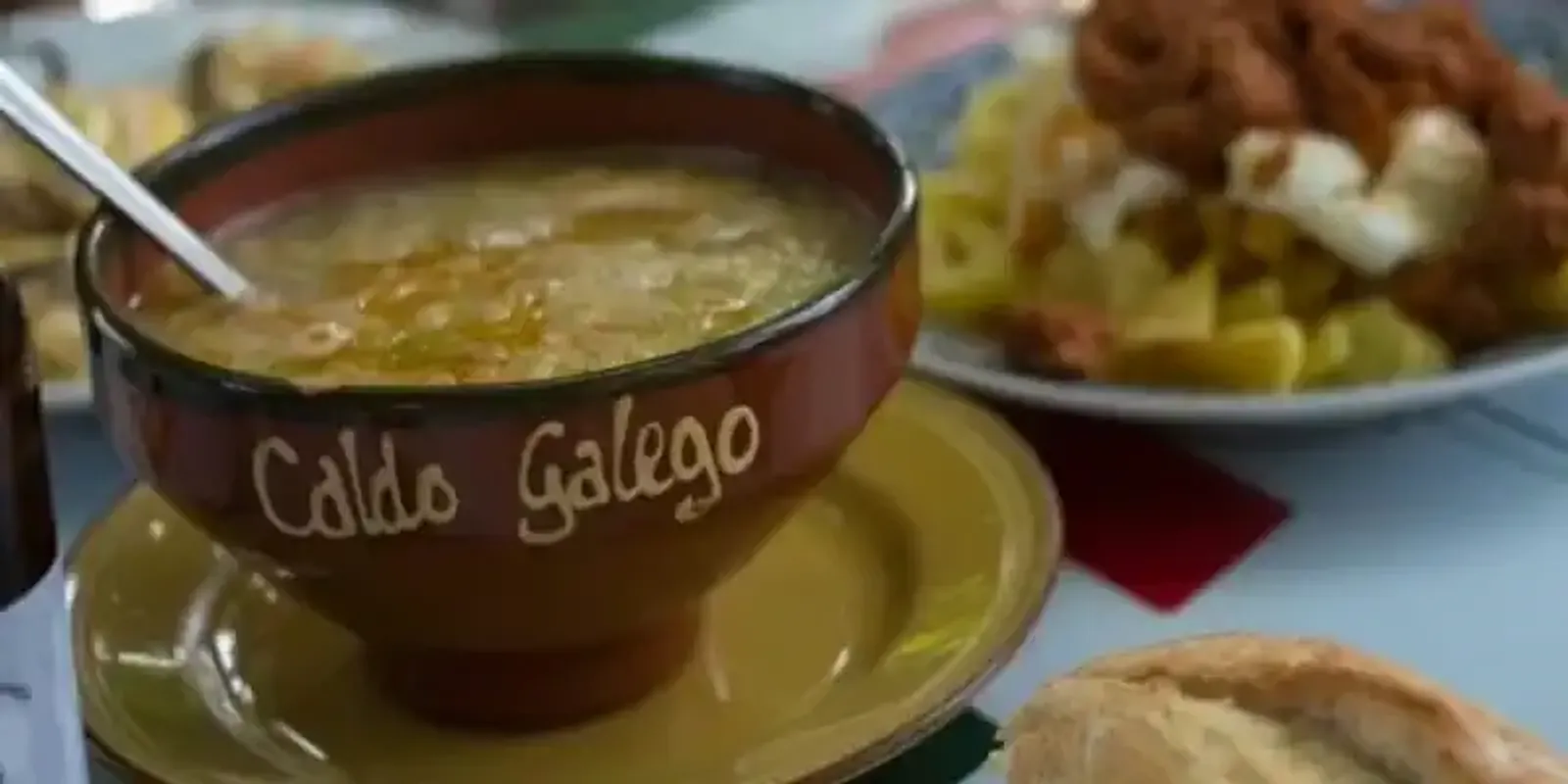
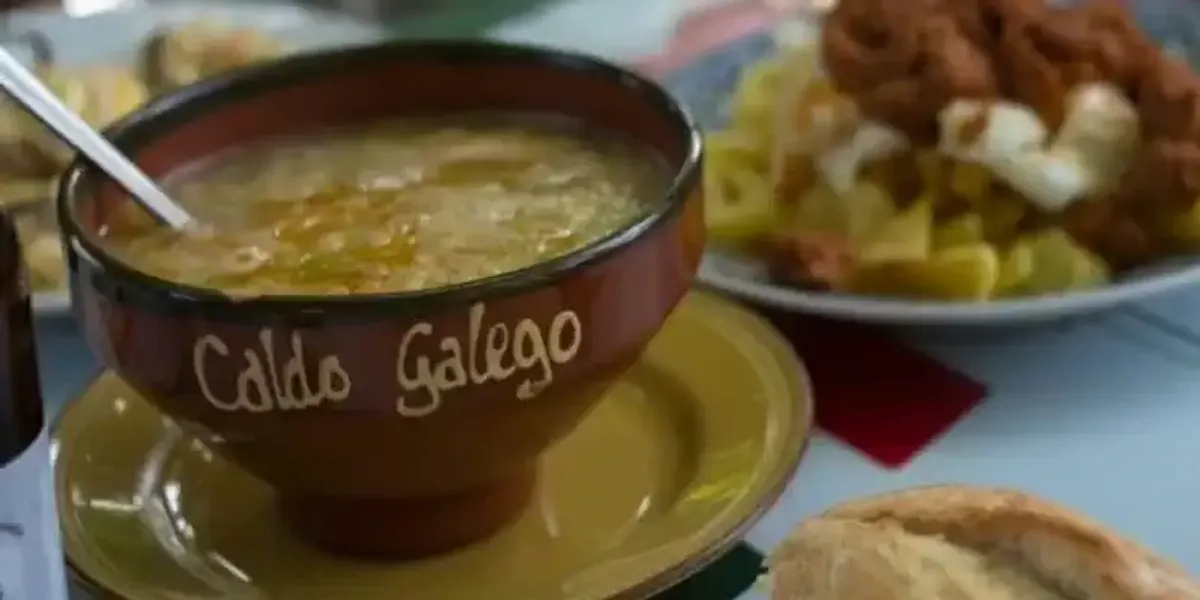
The stages are designed to start walking first thing in the morning, arriving at your goal around noon. But it’s possible that one day, for whatever reason, you might take a little longer to arrive and find the unpleasant surprise that the kitchen is closed. For this reason it is not advisable to do the Camino de Santiago with the contracted lunch.
Picnic
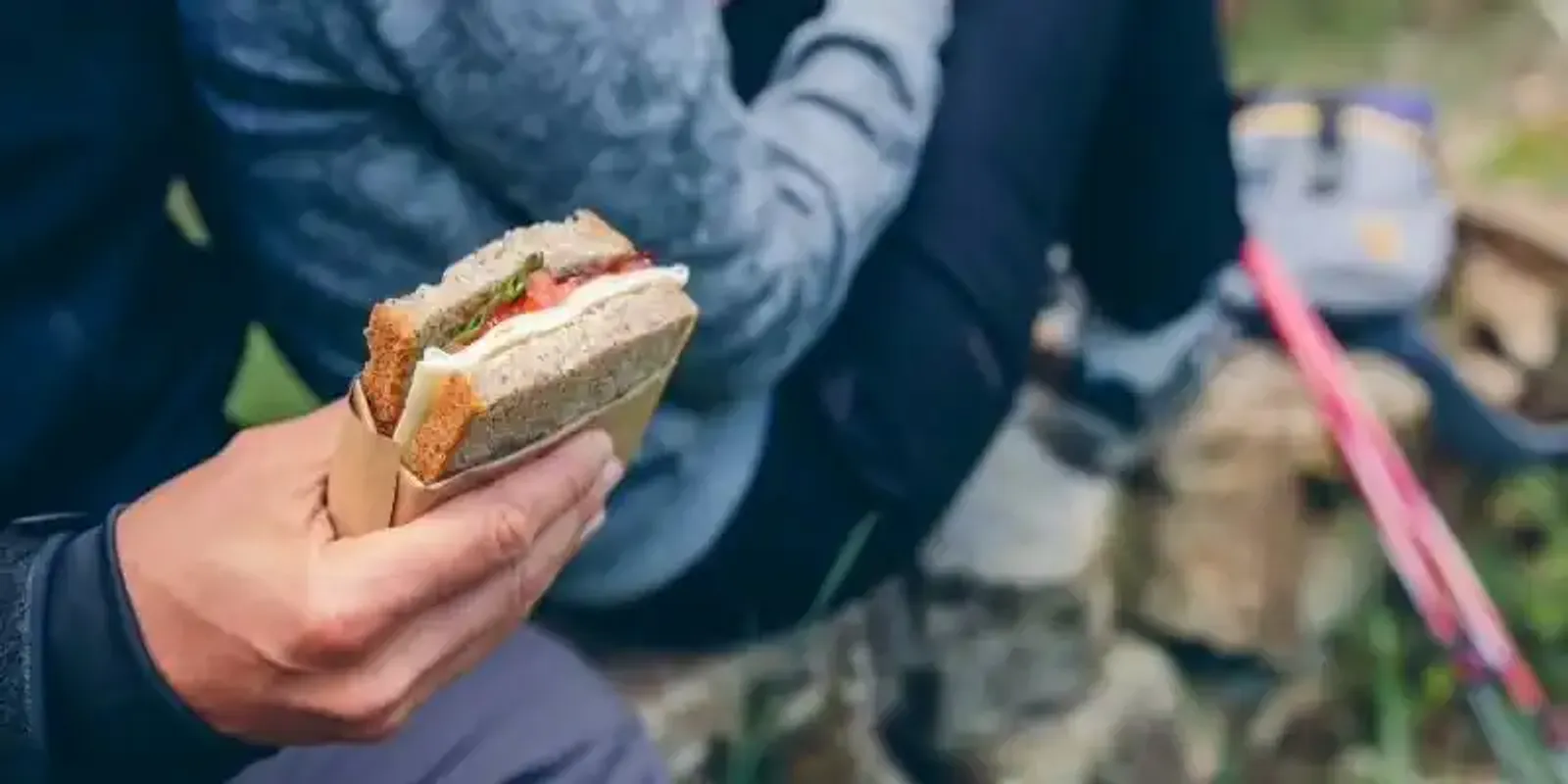
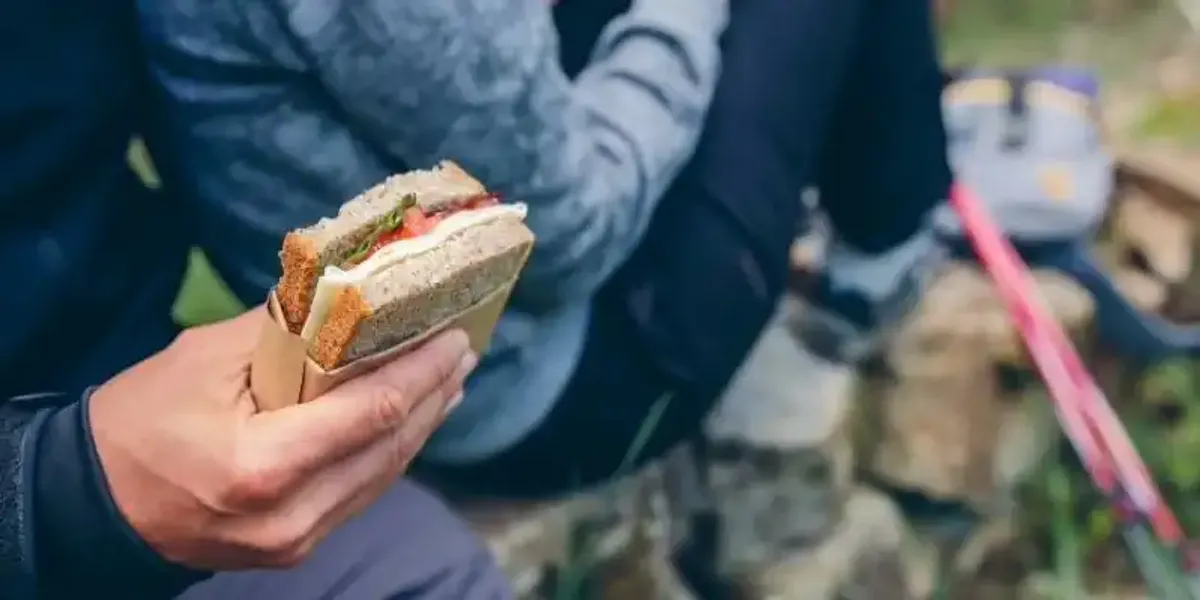
Upon request, every morning we will provide you with a small snack including a drink, a sandwich, a piece of fruit and a chocolate or snack. We recommend this service only for routes with little traffic or for very large groups. During the Camino and every few kilometres you will find a wide variety of bars, restaurants and shops where you can refresh yourself and rest.
Meals on your own
We almost always advise against hiring meals, as, in our opinion, it detracts from the freedom of the trip. Nowadays the Camino de Santiago has a large number of restaurants and bars that serve pilgrims. Therefore it will not be difficult to find a table where you can taste typical dishes at a good price.
During your trip we are sure that you will find wonderful people to share your route with and why not a good lunch or dinner exchanging stories and experiences. Bringing meals contracted with the accommodations means being subject to closed schedules and menus that can detract from the charm of your trip.
Remember that when you book your trip we will provide you with a dossier with the best bars and restaurants on the Camino de Santiago, as well as a list of the best restaurants and bars on the Camino de Santiago. the typical dishes that you should try in each place. Your mouth will be watering!
Tips for organising meals and diets on your own
When it comes to organising meals on your own, it will be interesting if you can count on some guidance in this regard. However, ideally you should always leave room for flexibility and spontaneity- after all, that’s the most exciting thing about going it alone.
Breakfast; the most important meal of the day:
After a good night’s sleep you will feel more energized to start a new day full of different experiences. Of course, you should not lose sight of the walk ahead of you and the energy expenditure that this will entail. This is the main reason why eating a hearty breakfast is going to be essential in every day.
The best time and place for breakfast.
In all the villages where we spend the night you will find bars and restaurants that are usually located a few meters from the hostel or hotel where you slept the night before, often you can even have breakfast in the same establishment.
In the case of spending the night in a place with little choice of accommodation or being one of those early risers who find the bars still closed, there will only be one alternative: planning. You’ll have to think about buying a few things the day before to get out of the way.
What to have for breakfast?
We are not going to get into personal tastes when it comes to breakfast, but it is worth mentioning that a tea or coffee is not enough to positively support the journey that awaits you. The healthiest thing to do is to have a balanced meal first thing in the morning, which is not too heavy, but which will help you to have enough energy.
This you can adapt to your personal taste and get, in your own way, consume some fruit, protein, carbohydrates and dairy, which are the most advisable elements in these circumstances. In the more substantial part you can opt for toast or sandwiches, consume fruit pieces or juices and garnish it with coffee, tea or cocoa drinks with milk. You will have different alternatives to choose from according to your palate to start off on the right foot.
A snack during the stages
Snacks can be essential along the way. Moreover, if you are not used to eating between meals, your needs may change during this experience, since you are going to spend the day walking and sooner or later your body will ask for a little more fuel. This will also help you to lighten up your main meals and avoid heavy digestions.
The best foods to eat during the stages.
The ideal is to consume carbohydrates in a mid-morning stop, as these will give you enough energy. So that you can do it calmly you will find different picnic areas and areas enabled for the service of the pilgrims along the way, so in that sense you will not have to worry. It will be the ideal time to try local pastries or delicious homemade buns.
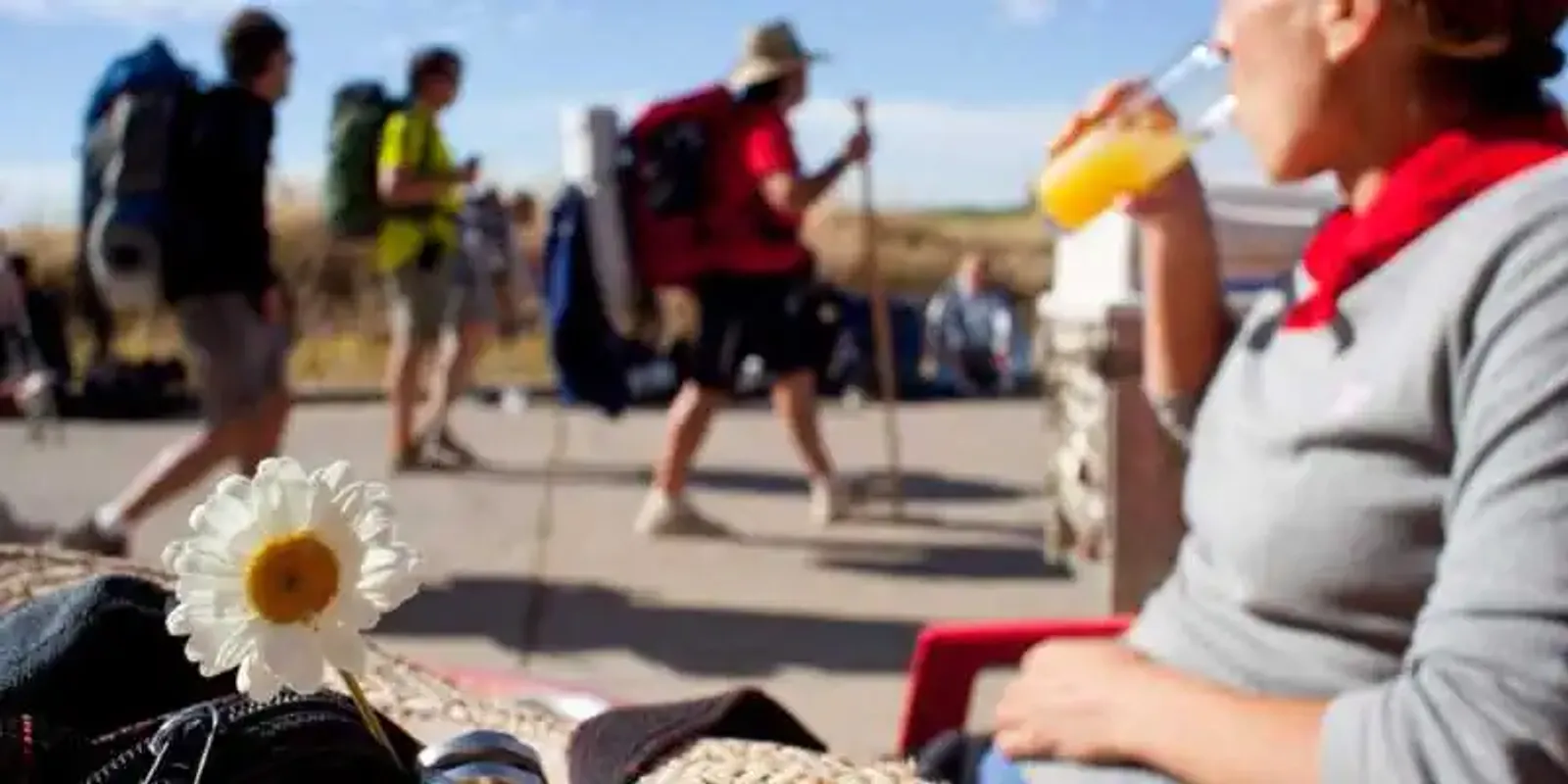
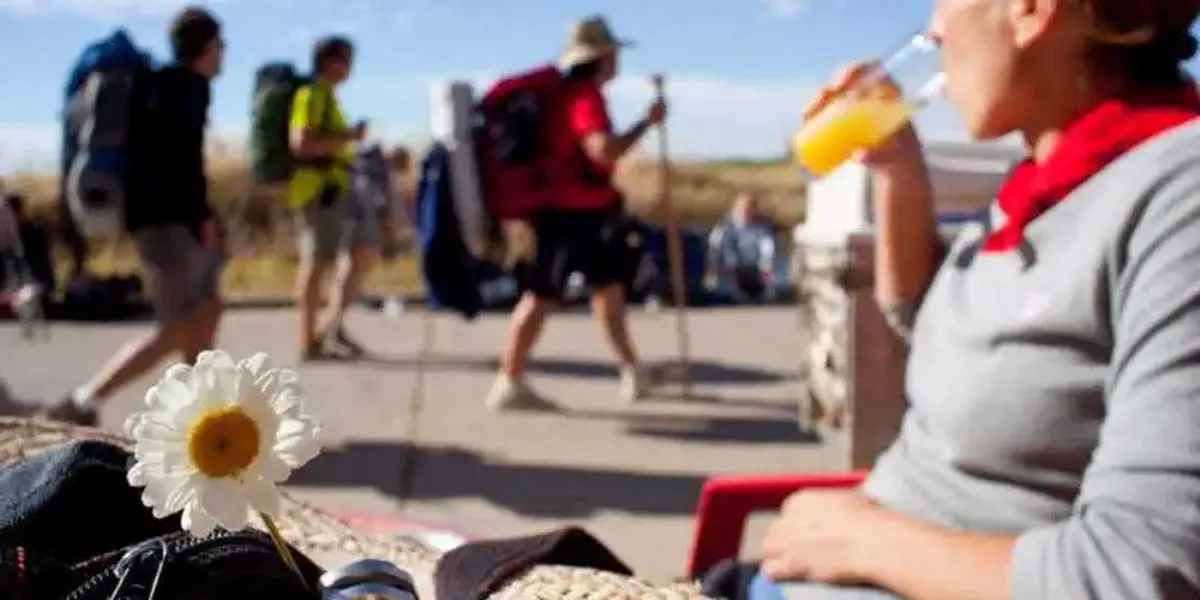
If you are in a stage with little infrastructure, and few businesses, you will have to carry your own supplies, nuts can be good allies, as they provide a large energy intake in small doses and are very convenient to carry in any pocket. Also cereal bars or chocolate, which will give you the sugar you need. Finally, fruit is a healthy and really practical alternative. This food can last for several days without deteriorating as well as making its contribution in hydration and natural sugars it possesses.
The midday meal:
If you went for an early walk, by lunchtime you will have reached the end of the stage, and now you have a great reward to recover energy, and of course for your palate. There are many restaurants that have menus designed for pilgrims and are usually already adapted to the needs of the pilgrimage route. When in doubt this should be your safest bet, and after a few days you will notice that your own body is probably asking for it. In addition, if you include the service of diets and previously contracted meals, this is the meal that we recommend the least to include.
A dinner to enjoy
This is the ideal time to get together with other pilgrims and taste the culinary tradition of each place, to do a bit of gastronomic tourism without affecting your performance. It is probably the most enjoyable meal of the day.
Dinners on the road are usually taken early so that you can go to bed early, this is beneficial when it comes to getting a table in a restaurant or taking your time to savour the goodness of the place you are in.
Frequently Asked Questions About Meals and Diets on the Camino
-
Which is the most beautiful estuary in Galicia?
One of the most beautiful estuaries in Galicia is the Ría de Arousa, famous for its stunning scenery, islands and crystal clear waters. Here you can explore beaches, enjoy fresh seafood and visit charming fishing villages such as O Grove and Cambados. In addition, its biodiversity and panoramic views make it a must-see destination in the Rías Baixas. The other rías are also very beautiful, and all have their own special charm. -
What are the most visited places in Galicia?
The most visited places in Galicia include the historic centre of Santiago de Compostela and the Catedral de Santiago, both World Heritage Sites. Other highlights include the Rías Baixas, famous for its beaches and seafood, and the Costa da Morte with its spectacular scenery and his Faro de Finisterre. Other points of interest are the playa de las Catedrales, la Muralla Romana of Lugo, the thermal baths of Ourense and the Parque Nacional de las islas Atlánticas. These destinations are a must for any traveller in Galicia. -
Where can I find food recommendations on the Camino de Santiago?
On the Camino de Santiago food is very important, although we are fortunate that you eat very well on all routes. In our trips, we offer a personalized practical dossier of your route with our recommendations of food on the Camino de Santiago. The best typical dishes, bars and restaurants of the Camino are waiting for you! If you want to know more, visit our blog to know the best dishes of Galicia and Northern Spain, as well as the best restaurants in Santiago de Compostela. -
What is good to eat before starting your pilgrimage?
Before beginning a stage of the Camino de Santiago, it’s recommended to consume foods rich in carbohydrates and proteins to maintain energy. A good breakfast could include:- Fresh fruit or juice for vitamins.
- Whole grain toast or cereals for slow-releasing carbohydrates.
- Yogurt or eggs for protein.
-
How much money do you need to do the Camino de Santiago?
Knowing how much money you need to do the Camino de Santiago is relative, as it depends on several factors:- Distance and duration of the route: The more kilometers, the more stages, days, and nights.
- Mode of pilgrimage: Whether you walk, bike, or ride a horse can affect your expenses.
- Type of accommodation: The cost varies depending on whether you stay in a pilgrim hostel, guesthouse, pension, or hotel.
- Type of food: It depends on whether you always eat breakfast, lunch, and dinner in bars or restaurants, or if you save money by cooking at the hostel or having a picnic.
- Transportation to and from home: Getting to the starting point and returning home is another significant expense.
- Accommodation: Between €15 and €20 per night.
- Food: Depending on your choices, if you always eat in bars or restaurants, expect to spend about €5 for breakfast and €10 for each meal. That's around €25, which can be rounded to €30 to include water and snacks during the stage.
-
What type of food is offered during the organized group trip?
It will depend on the meal plan you've chosen for the trip, but in organized group we normally don't include it. If you haven't planned to eat at a specific place, don't worry, because along the way, there are plenty of good and affordable places to eat. -
Will I be able to feed my dog at the accommodation?
Yes, but you'll need to bring your own food and your dog's own bowl. You'll also need to bring a water bowl. -
I suffer from food intolerances. Does the accommodation provide alternatives for my diet?
Of course! If you have food intolerances, most accommodations can accommodate if you inform them in advance. Communicate your restrictions when you book or check-in. -
Can I book full board?
You can opt for half board at some accommodations, which usually includes breakfast and dinner. However, we always recommend not pre-booking meals in advance, as this will give you flexibility to explore different places and try the excellent food along the Camino. This way, you'll fully enjoy the experience of the Camino de Santiago. -
Can I take a suitcase with my pet's things?
With your booking, you'll have an additional suitcase allocated specifically for transporting all your pet's essentials, including food, toys, bedding, blankets, water bowl, and more. This means you can set off on the Camino de Santiago without worrying about lugging around heavy bags. We'll take care of transferring your stuff from one place to the next every day. So, when you finish a stage, your things will be waiting for you at the next spot. -
How can I do the Camino de Santiago?
You have several options for experiencing the Camino de Santiago: On foot: This is the most traditional way to walk the Camino de Santiago. You can do it in a group or alone. Most pilgrims decide to do it on foot, either for comfort, to feel the essence of the pilgrimage or because they are unaware of other ways of doing it. By bicycle: On the Camino de Santiago there are stages specially designed for cyclists. In addition, most of the routes are very well signposted with some sections running along the road. On horseback: If you have a horse and you want to do the Camino de Santiago, it is possible. But it is important to keep in mind that it requires a lot of preparations in terms of veterinarians, accommodation, food for the animal, authorizations, etc. You can also do the Camino de Santiago on horseback by hiring a specialized agency. By boat: This is undoubtedly the most original way to do the Camino de Santiago. You can do it in your own boat or hire the trip with an agency. -
Can I do the Camino de Santiago if I have special dietary needs / I am vegetarian / vegan ?
Of course! Please let us know about any allergies or food intolerances you have when making your reservation. This way, we can inform the restaurant in advance to prepare a special menu for you. If you are celiac or have a gluten intolerance, we recommend purchasing your own bread from any bakery, as many restaurants may not have it available.