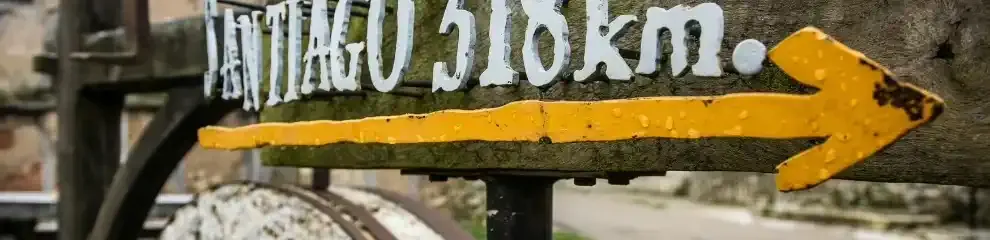

Make the Camino de Santiago as you want
The Camino Ways
The Camino de Santiago is comprised of a network of routes that originate from various locations, all sharing a single goal: to reach Santiago de Compostela.
Each route is divided into a succession of stages, representing the daily kilometers to be completed. Distances typically range between 20 and 30 km, making it ideal to start walking early in the morning and reach your destination by midday. The stages connect villages, towns, and cities, where you will find all the essential services needed to rest and replenish your energy among other pilgrims, including accommodations, restaurants, supermarkets, laundries, and more.
Remember, it is not necessary to walk the entire Camino or adhere strictly to the pre-established stages for each route. You can choose any intermediate point and complete the number of stages or kilometers that are perfect for starting your journey early in the morning and reaching your destination by midday.
Below, you will find the history, routes, towns, stages, hostels, and recommendations for each route of the Pilgrimage to Santiago de Compostela.


All the Camino de Santiago Routes
-
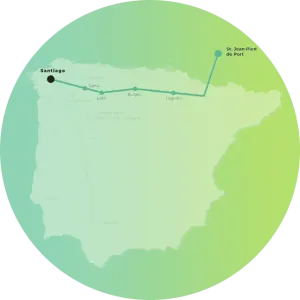
French Way
undefined vcs-astro.card.route.stages / 0 km
-
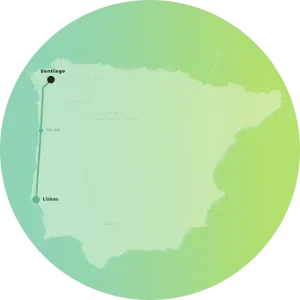
Portuguese Way
undefined vcs-astro.card.route.stages / 0 km
-
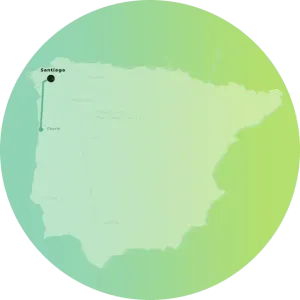
Portuguese Way along the coast
undefined vcs-astro.card.route.stages / 0 km
-
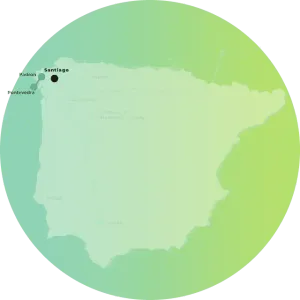
Portuguese Way: spiritual variant
undefined vcs-astro.card.route.stages / 0 km
-
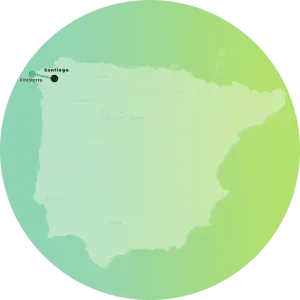
Finisterre and Muxía Way
undefined vcs-astro.card.route.stages / 0 km
-
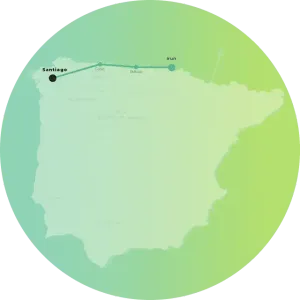
Northern Way
undefined vcs-astro.card.route.stages / 0 km
-
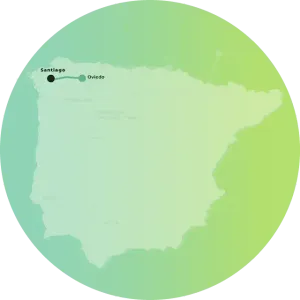
Primitive Way
undefined vcs-astro.card.route.stages / 0 km
-
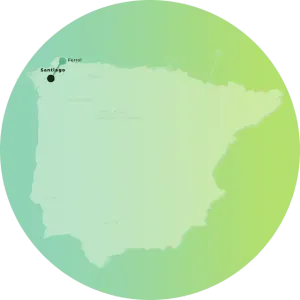
English Way
undefined vcs-astro.card.route.stages / 0 km
-
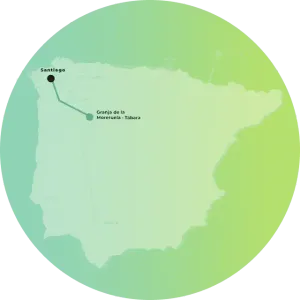
Sanabrian Way
undefined vcs-astro.card.route.stages / 0 km
-
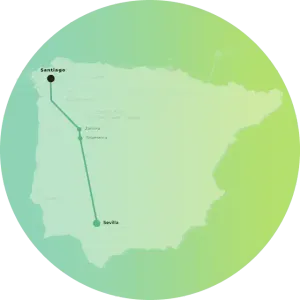
Silver Route
undefined vcs-astro.card.route.stages / 0 km
-
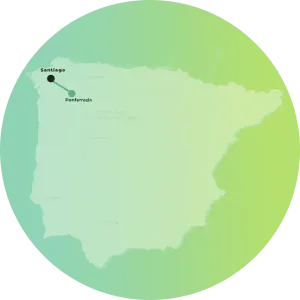
Winter Way
undefined vcs-astro.card.route.stages / 0 km
-
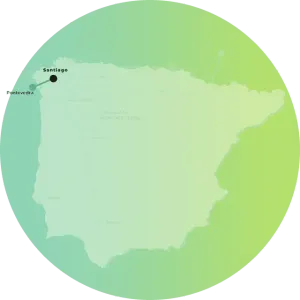
Father Sarmiento Way
undefined vcs-astro.card.route.stages / 0 km
-
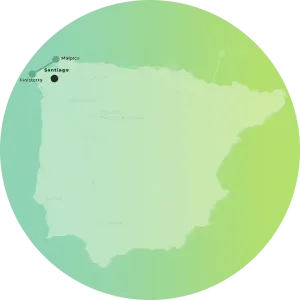
Way of the Lighthouses
undefined vcs-astro.card.route.stages / 0 km
What route to choose on the Camino de Santiago?
-
 5 days / 4 nights
 - 6 days / 5 nights
- 5 days / 4 nights
- 7 days / 6 nights
- 6 days / 5 nights
- 6 days / 5 nights
- 6 days / 5 nights
- 9 days / 8 nights
- 10 days / 9 nights
- 10 days / 9 nights
- 10 days / 9 nights
Camino de Santiago Map
-
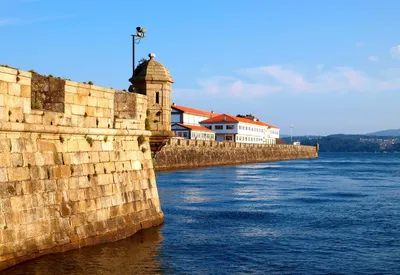
The English Way Map
How can I understand this map of the English Way better?To take into account!But… where do I start the Camino? The map of the English Way represents the itinerary followed by those […]
-
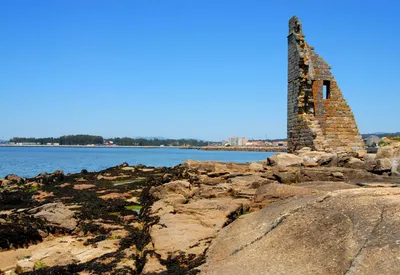
Map of the Route of Padre Sarmiento
How can I understand this map showing the Route of Father Sarmiento? Please note! Shortage of servicesBut… where do I start the Camino? Keep the following the following map, as this variant of […]
-
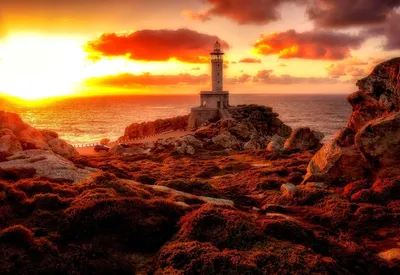
The Way of the Lighthouses Map
How can I understand this map showing the Way of the Lighthouses?Please note! Shortage of servicesBut… where do I start the Camino? The Way of the Lighthouses is a different route along […]
-
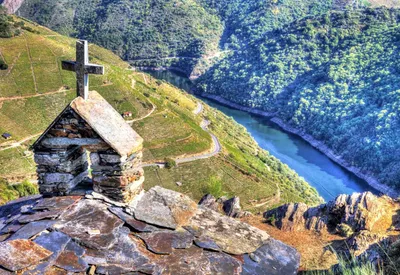
The Winter Way Map
How can I interpret this map of the Winter Road?Please note! Shortage of servicesBut… where do I start the Camino? Today we bring you the Winter Road, a route that the pilgrims […]
-

Vía de la Plata (Silver Route) Map
How do I understand this map showing the Silver Route?To take into account!But… where do I start the Camino? The Silver Route, also known as the Via de la Plata Route, though […]
-
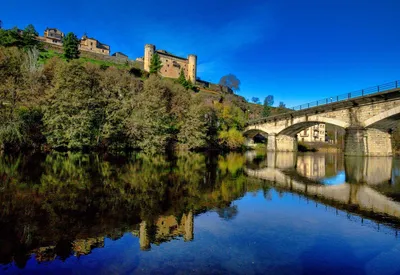
The Sanabrian Way Map
How do I understand this map of the Camino Sanabres?Please note! Shortage of servicesBut… where do I start the Camino? In the map below, you’ll see the benefits of the Sanabrés Way, […]
-
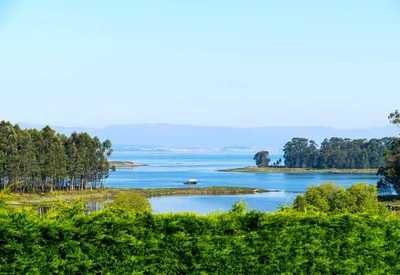
Portuguese Way Map: Spiritual Variant
How do I understand this map showing the Portuguese Way, spiritual variant?Please note! Shortage of servicesBut… where do I start the Camino? Here’s the map of the Spiritual variant of the Portuguese […]
-
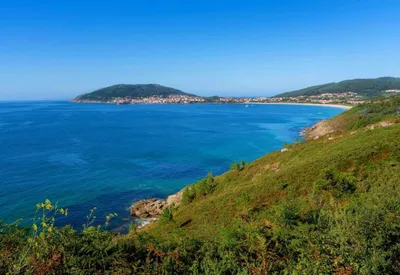
Camino Finisterre and Muxia Map
How can I interpret this map of the Camino to Finisterre and Muxía?Sections where there is a shortage of services o Please note!But… Where do I start the Camino? This map provides […]
-
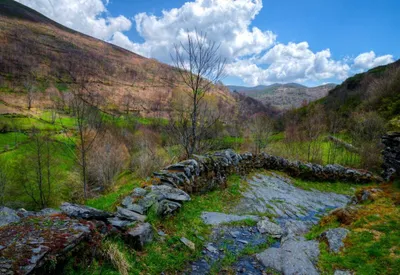
Camino Primitivo Map
How do I understand this map showing el Camino Primitivo?Please note! Shortage of servicesBut… where do I start the Camino? Here’s the map of the original Way, the Primitive Way, which was […]
-
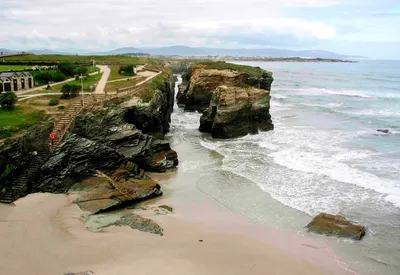
The Northern Way Map
How do I understand this map of the North Way?Please note! Shortage of servicesBut… where do I start the Camino? This map that you can see breaks down this fantastic route that […]
-
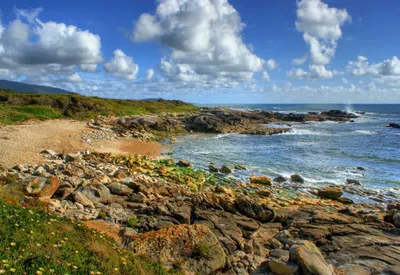
Map of the Portuguese Way along the Coast
How do I understand this map of the Portuguese Way along the coast?Please note! Shortage of servicesBut… where do I start the Camino? The Portuguese Way along the Coast covers the 194 […]
-
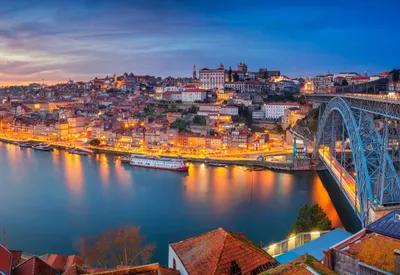
Camino Portugues Map
How do I understand this map of the Portuguese Way?To take into account!But… where do I start the Camino? The 620 kms of route that separate Lisbon from Santiago, through the Portuguese […]
-
The French Way Map
How can I understand this map of the French Way?To take into account!But… where do I start the Camino? The map you’re viewing traditionally covers the entire route of the French Way […]
Frequently asked questions about the Camino Routes
-
What does a trip with a guide on the Camino de Santiago include?
A trip with an accompanying guide on the Camino de Santiago offers personalized assistance throughout the journey. The guide will help you with the logistics of each stage, will tell you the history and traditions of the Camino, and will solve any unforeseen events. In addition, he or she will create a fun and friendly atmosphere in the group, helping everyone to feel united. Your guide will be with you from the moment you receive the group until you arrive in Santiago, offering continuous support and making recommendations on what to see, where to eat and what to do at the end of each stage. With their expert knowledge, you will be able to enjoy the Camino to the fullest, with no worries, and with a few surprises along the way. -
How much does the luggage and bicycle transfer service cost?
The cost of the luggage and bicycle transfer service on the Camino de Santiago depends on the duration and distance of your route. Prices vary according to the number of stages you travel and the selected pick-up and drop-off points. To get an accurate rate, it is advisable to request a personalised quote based on your itinerary. This service offers comfort and allows you to enjoy the Camino without heavy loads. -
How to avoid injuries on the Camino de Santiago?
To avoid injuries on the Camino de Santiago, it is important to take into account the following tips:- Prepare yourself physically with previous walks and on different types of terrain.
- Wear suitable footwear that has already been used.
- Carry a light backpack so as not to overload your body.
- Stretch before and after each stage.
- Listen to your body and rest when necessary.
- Stay hydrated, nourished and well rested throughout the walk.
- Keep a good posture while walking to avoid tensions.
-
What is the average cost of organizing the Camino de Santiago?
The cost of doing the Camino de Santiago depends on several factors:- Trip duration: If you choose a long route with many stages, you'll need more nights; if, on the other hand, it’s a short trip, for example, one week, you will need fewer nights.
- Type of accommodation: On the Camino de Santiago, you will find hostels, the most affordable accommodation option, as well as more expensive (but more comfortable and private) options such as guesthouses, pensions, hotels, or rural houses.
- Included services: Depending on whether you request extra services or not, the trip may be more expensive.
-
What options are there to organise the Camino de Santiago with children?
To organise the Camino de Santiago with children, choose short and accessible routes, with not very long stages, such as the last 100 kilometres of the French Way from Sarria. Opt for packages that include comfortable accommodation, luggage transport and stops at places of interest, to keep children entertained. Also, be sure to plan frequent breaks during the stages for a safe and enjoyable experience. Let them be the ones to affix the stamps on the Pilgrim's Credential, act as guides looking for the yellow arrows and interact with the rural and natural environment of the Camino. -
How to choose an economic package for the Camino de Santiago?
To choose an economic package for the Camino de Santiago you have to consider certain aspects:- duration of the trip: if you choose a long section, with many stages, you will need more nights; if, however, it is a short trip, for example, a week, you will need less;
- type of accommodation: on the Camino de Santiago you will find hostels, the cheapest accommodation option, as well as other more expensive ones (but with more comfort and privacy) such as hostels, guesthouses, hotels or rural houses;
- services included: depending on whether you ask for extra services or not, the trip will be more expensive.
-
What aspects should schools and institutes consider when planning a trip to the Camino de Santiago?
When planning a school trip to the Camino de Santiago, schools and institutes should consider:- Stages adapted to the age and physical capacity of the students.
- Safe and comfortable accommodation in hostels or guesthouses.
- Luggage transport for greater comfort.
- Monitors and guides with experience in school groups.
- Educational and recreational activities along the route.
- Travel insurancefor all participants.
- Necessary permits and documentation and ensuring that students' papers are in order.
- Daily communication with parents and guardians about the itinerary and any changes.
- Weather preparation and appropriate equipment, ensuring that students have appropriate clothing and equipment for the climate of the Camino.
-
What is included in a package for school trips on the Camino de Santiago?
A package for school trips on the Camino de Santiago generally includes:- Planning of stages adapted to the age of the students.
- 7 days / 6 nights accommodation
- Luggage transfer during the stages
- Complete documentation
- Pilgrim's credential
- Pilgrim's T-shirt as a gift
- Travel insurance
- 1 free teacher for every 20 students
- PM (Breakfast and dinner)
-
Which stages of the Camino de Santiago are suitable for school groups?
The most suitable stages for school groups on the Camino de Santiago are undoubtedly the last 100 kilometres of the French Way from Sarria to Santiago de Compostela. These stages are of moderate difficulty, with accessible distances and good services along the route. In addition, they offer a safe environment, ideal for students, combining nature, history and culture, which makes them an excellent option for educational trips. -
What are the advantages of having an accompanying guide monitor on the Camino de Santiago?
A trip with an accompanying guide monitor on the Camino de Santiago includes personalized assistance throughout the journey, with advice on logistical issues and the stage, as well as cultural and tourist information. The guide offers continuous support, explains the history and traditions of the Camino, and guarantees a safe and carefree experience. In addition, it facilitates the resolution of any unforeseen event, allowing you to enjoy each day to the fullest. In addition, on our trips they create a relaxed atmosphere in the group, with a lot of good vibes and some surprises.