


The Camino de Santiago is adapted so that anyone can do it and does not require being a great athlete or exemplary training . But it is possible that injuries, exhaustion or any other problem that prevents us from walking during a stage may occur.
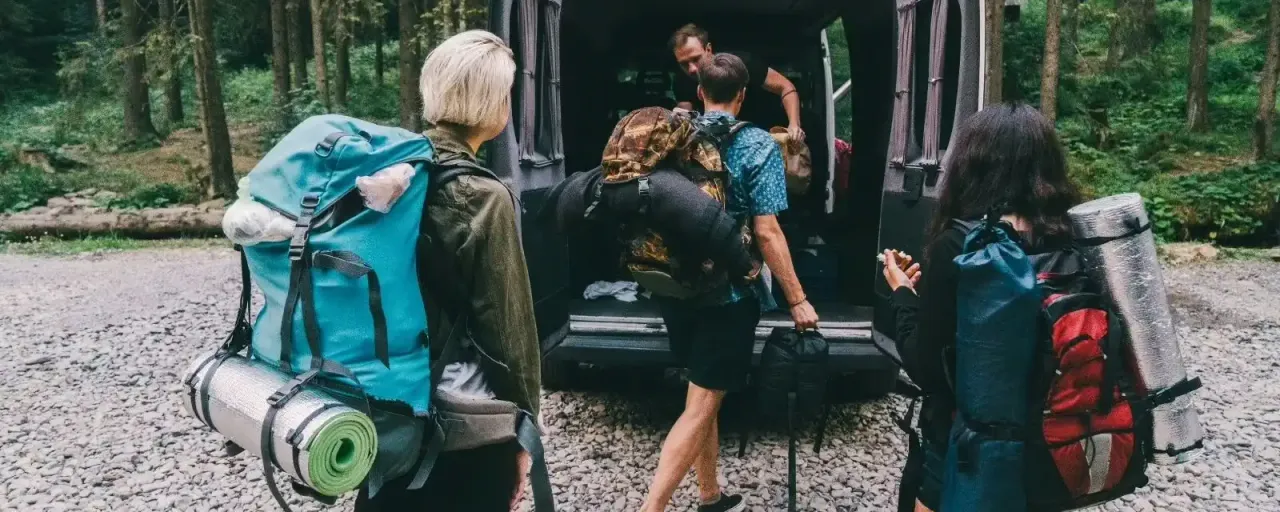
To help you cope with these inconveniences, we have an extensive network of vehicles on all sections of the Camino de Santiago that will pick you up to take you to the end of the stage.
Organized group support vehicles
This service is included in all organized group tours. This is a private vehicle that will accompany you throughout the Camino so that you can use it whenever you need it.
Its operation is very simple. Each day we will place the vehicle at a meeting point halfway through the stage, where you can decide whether you want to continue or abandon the tour due to any problem, discomfort or injury. Once the whole group has passed through this place, the vehicle will drive to the end of the stage with all the occupants.
Support vehicle on request
If you do the Camino de Santiago on your own, you will not have this service included in your trip and you will have to pay for it if you use it. But you can request it by contacting us by phone whenever you need it. Once we have received the notification, we will send you the nearest vehicle to pick you up.
Support vehicle on request
-
What to see in Galicia unknown?
Galicia hides wonderful places that still remain far from the most crowded tourist routes. Here is an extended selection of unknown places that are worth a visit: Here is our personal list of fascinating and little known places in Galicia:- Souto da Retorta: Nursery forest with giant eucalyptus trees, including "O Avó".
- Castro de Baroña: Ancient Celtic settlement overlooking the Atlantic.
- Hórreo de Lira: The longest hórreo in Galicia, a symbol of traditional architecture.
- Fuciño do Porco: Rock formation in O Vicedo overlooking the sea.
- Cascadas de A Barosa: Beautiful waterfalls in a natural environment in Barro.
- Monasterio de San Pedro de Rocas: Monastery carved into the rock in the Ribeira Sacra.
- Cementerio de los Ingleses: Historical place in Camariñas witness of several shipwrecks.
- Pozas de Mougás: Natural pools in the Sierra de O Galiñeiro.
- Faro de Punta Nariga: Modern lighthouse in Malpica, with stunning views of the Atlantic.
- Cova do Rei Cintolo: The largest cave in Galicia, in Mondoñedo.
-
What not to do on the Camino de Santiago?
To fully enjoy the Camino de Santiago, avoid these common mistakes:- Do not overload your backpack: Carry only what you need to avoid injuries.
- Don't wear new shoes: Use tried and tested shoes to avoid blisters.
- Don't walk without breaks: Make regular stops to rest and avoid exhaustion.
- Don't neglect hydration: Drink water constantly to prevent dehydration.
- Don't forget respect: Respect the natural environment (carry your rubbish until you can dispose of it properly), local rules (respect private property and the herds of animals you encounter) and other pilgrims (for example, don't play loud music while walking).
-
What to take for pain on the Camino de Santiago?
To relieve different types of pain during the Camino de Santiago, follow these recommendations:- Headaches, muscle or joint pain: Take painkillers or anti-inflammatory drugs such as ibuprofen, paracetamol or aspirin, according to medical indications.
- Tummy or digestive pains: Take antispasmodics or stomach protectants such as omeprazole with you.
- Allergies: Take antihistamines for mild allergic reactions.
-
What dangers are there on the Camino de Santiago?
There are no major dangers on the Camino de Santiago, and it is also very safe. Obviously, you have to be careful not to get injured, taking the necessary precautions, and avoid walking at night. In short, always applying common sense, the Camino de Santiago is safe, as it passes through inhabited places, is well signposted and equipped with services. In addition, you have at your disposal the AlertCops application, in case you want to have more security. -
What to do to avoid getting blisters on the Camino de Santiago?
To avoid blisters on the Camino de Santiago, follow these tips:- Wear comfortable shoes and already used previously in long walks.
- Wear technical anti-blister socks, made of breathable and seamless materials.
- Keep your feet dry by changing socks if necessary.
- Apply petroleum jelly or anti-chafing products before walking.
- Rest and ventilate your feet during stops.
- If you feel chafing, use plasters or preventive bandages before blisters appear.
-
How to avoid injuries on the Camino de Santiago?
To avoid injuries on the Camino de Santiago, it is important to take into account the following tips:- Prepare yourself physically with previous walks and on different types of terrain.
- Wear suitable footwear that has already been used.
- Carry a light backpack so as not to overload your body.
- Stretch before and after each stage.
- Listen to your body and rest when necessary.
- Stay hydrated, nourished and well rested throughout the walk.
- Keep a good posture while walking to avoid tensions.
-
What are the advantages of having an accompanying guide monitor on the Camino de Santiago?
A trip with an accompanying guide monitor on the Camino de Santiago includes personalized assistance throughout the journey, with advice on logistical issues and the stage, as well as cultural and tourist information. The guide offers continuous support, explains the history and traditions of the Camino, and guarantees a safe and carefree experience. In addition, it facilitates the resolution of any unforeseen event, allowing you to enjoy each day to the fullest. In addition, on our trips they create a relaxed atmosphere in the group, with a lot of good vibes and some surprises. -
How can I get to the start of the Camino de Santiago route?
Depending on the route and starting location you choose, you will have some options or others. Often it will be a combination of plane, bus, train and even taxi. Of course, you can also arrive in your private car. If you are going to do the Camino de Santiago with us and want to know how to get to Sarria, how to get to Tui, or how to get to Roncesvalles, among other starting points, contact us and we will help you start your adventure. -
What documents do I need to walk the Camino de Santiago?
To walk the Camino de Santiago, it's essential to carry the Pilgrim's Credential, which allows you to obtain the Compostela upon completing the route in Santiago, and also grants access to public hostels and other services, as well as possible discounts in museums, etc. Additionally, you'll need a form of identification (ID or passport) to check into accommodations and other establishments. If you're a foreigner, make sure your visa is in order if required by your country of origin. -
What is good to eat before starting your pilgrimage?
Before beginning a stage of the Camino de Santiago, it’s recommended to consume foods rich in carbohydrates and proteins to maintain energy. A good breakfast could include:- Fresh fruit or juice for vitamins.
- Whole grain toast or cereals for slow-releasing carbohydrates.
- Yogurt or eggs for protein.