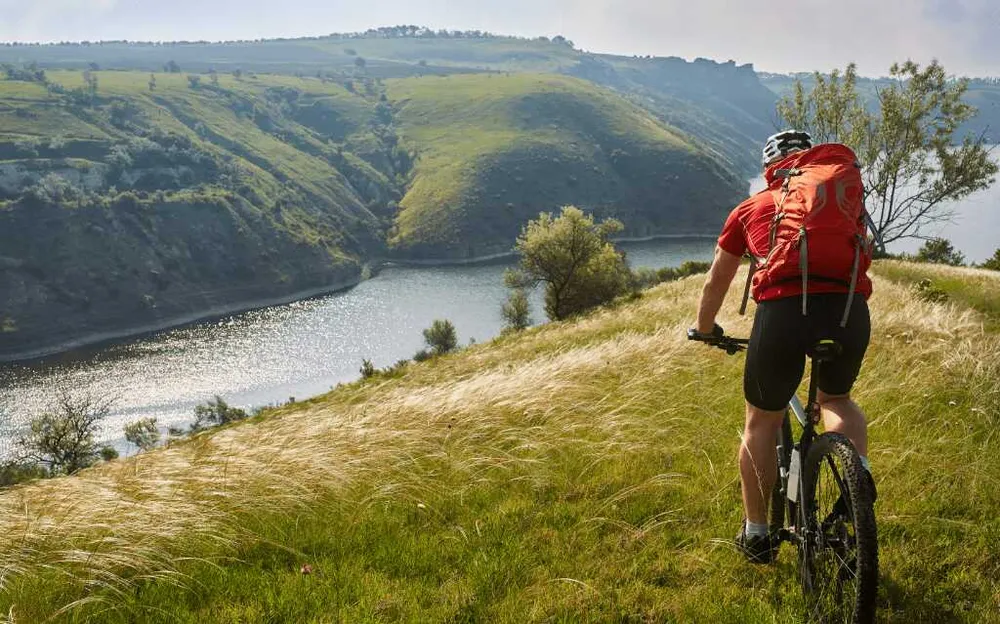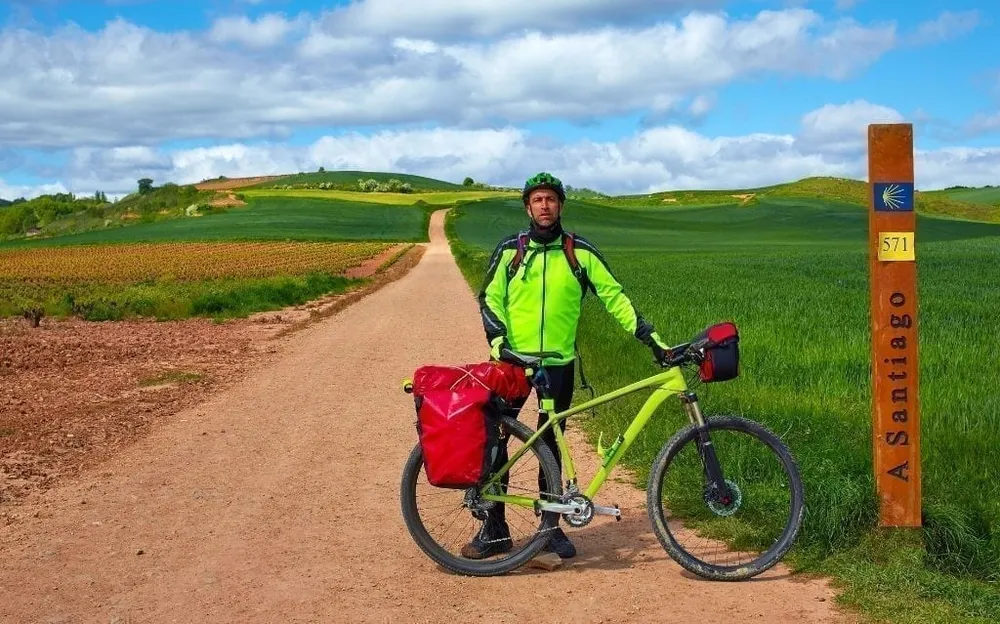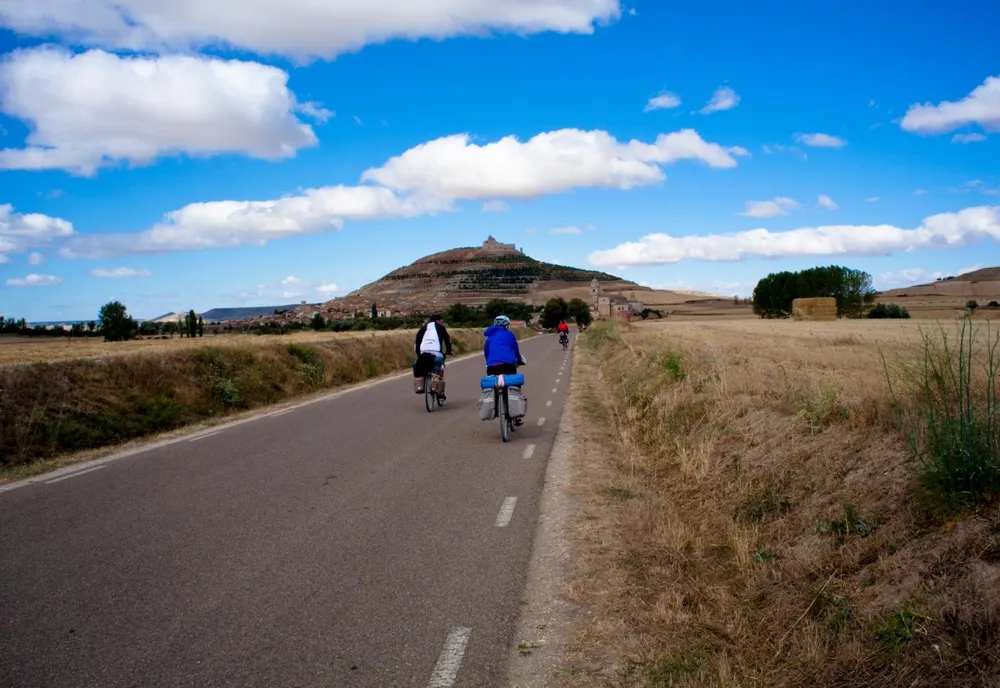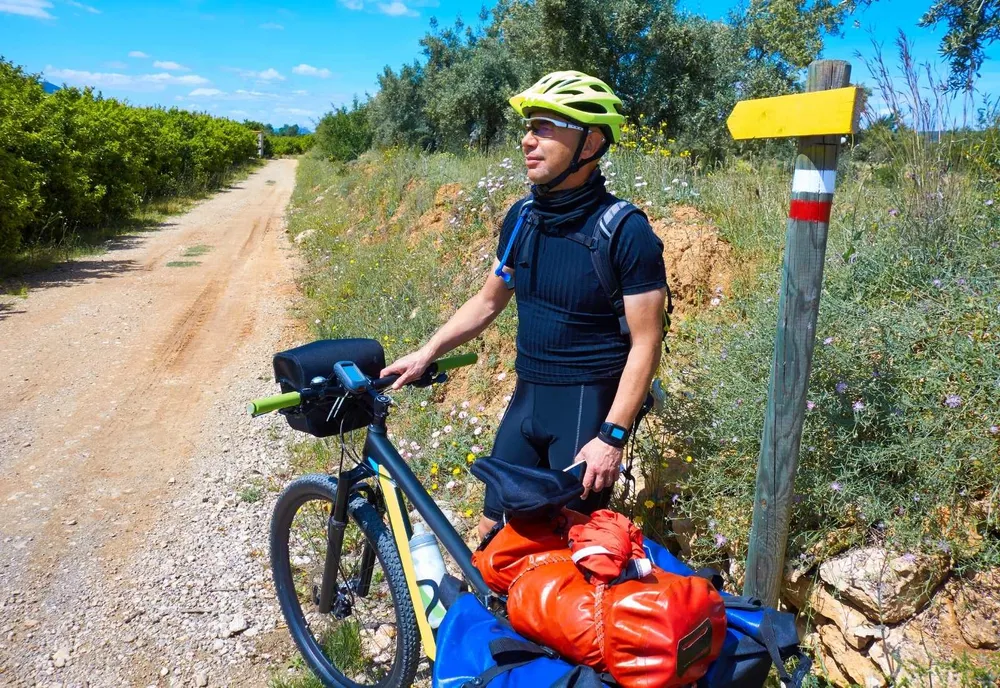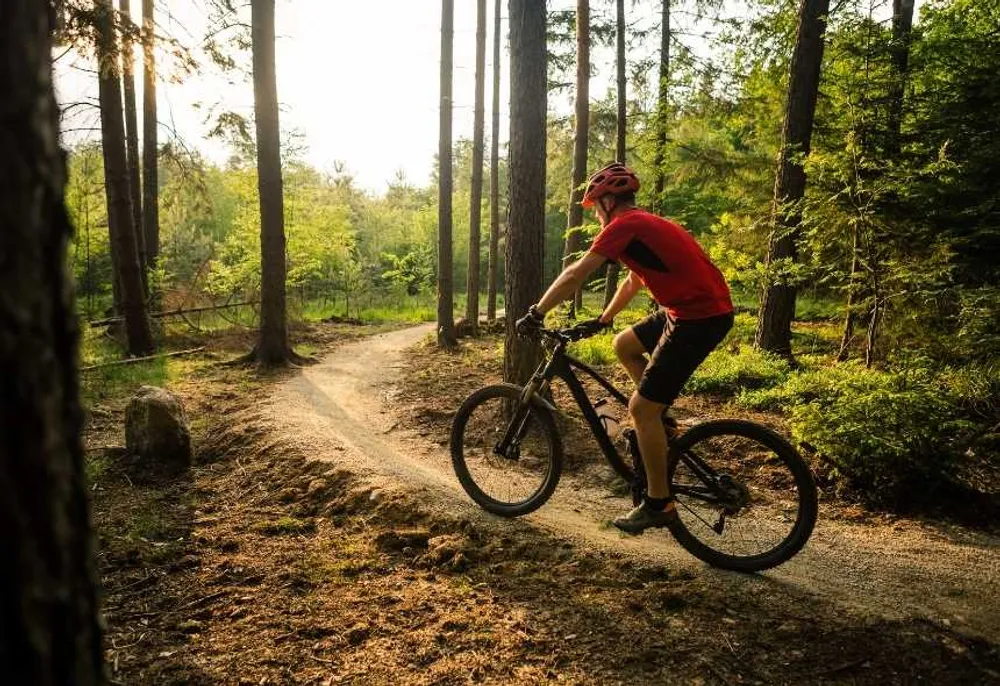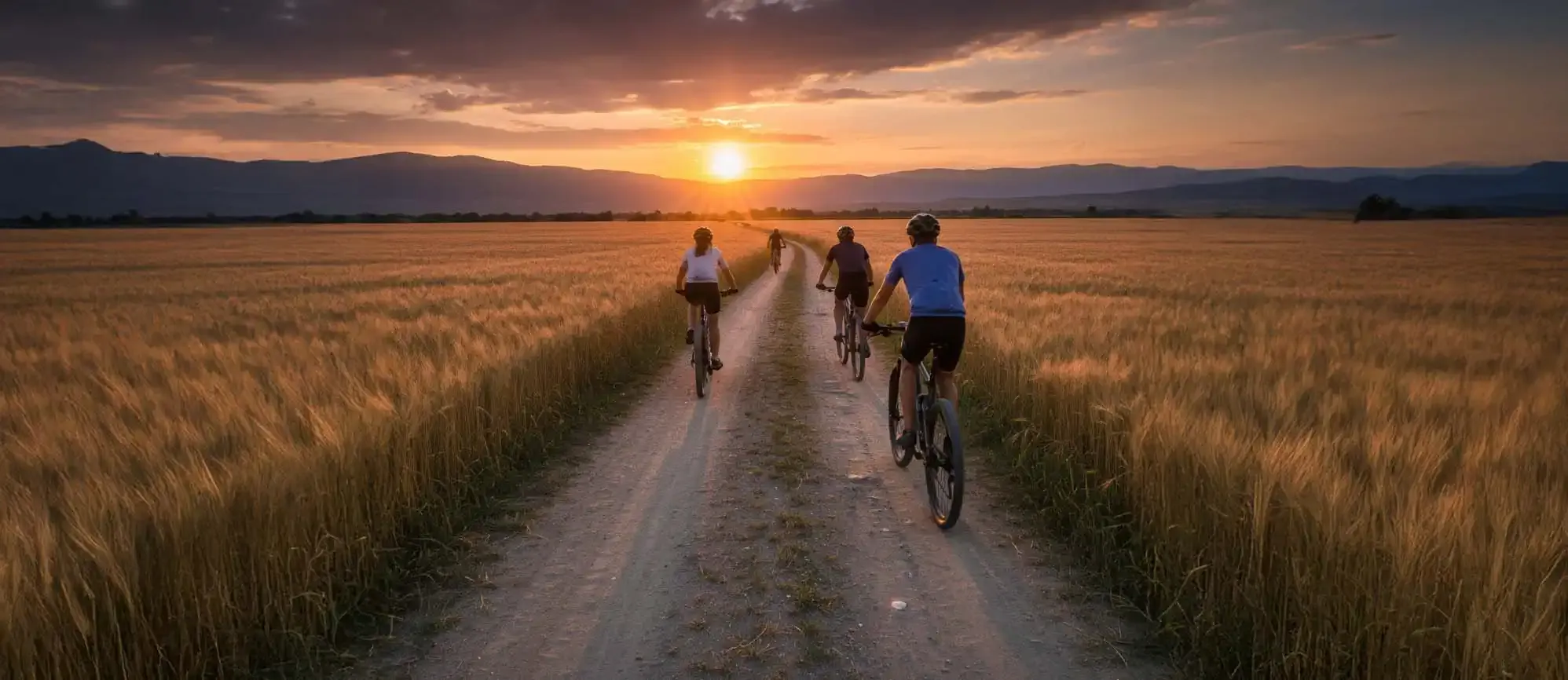
For cycling enthusiasts, at Viajes Camino de Santiago we are experts in organising trips along the Camino de Santiago by bike.
If you’ve always dreamed of doing the Camino de Santiago by bike, with us you can enjoy a smooth, hassle-free journey — including accommodation, luggage transport, and everything you need for a truly transformative experience.
Our Camino de Santiago Bike Tours
-
 6 days / 5 nights
 - 7 days / 6 nights
- 5 days / 4 nights
- 8 days / 7 nights
- 3 days / 2 nights
- 14 days / 13 nights
Our Services on the Camino de Santiago
Included in All Our Routes
-
Accommodation booking with the best options selected according to your budget.
-
Luggage transport between stages.
-
Practical information about the Camino in a detailed guide.
-
On-route telephone assistance — we’re by your side for any questions or issues.
-
Travel insurance with comprehensive coverage.
On Group Routes
-
Professional accompanying guides throughout the Camino.
-
Support vehicle available during the stages.
Optional Services
-
Meals and diets: option for breakfasts or half board.
-
Private transfers from/to the point you need.
-
Bicycle rental (mountain or electric bikes).
Why Cycle the Camino de Santiago
-
More distance in less time
The bike allows you to cover more kilometres per day and choose longer routes or variants that would be unfeasible on foot. This way, you can adapt the Camino to your schedule without losing its essence.
-
A different way to enjoy the Camino
By moving faster, you can plan stops at points of interest (art, landscapes, gastronomy). Even on the downhills, the momentum gives you small “breaks” for both your legs and your mind.
-
Less weight on your shoulders
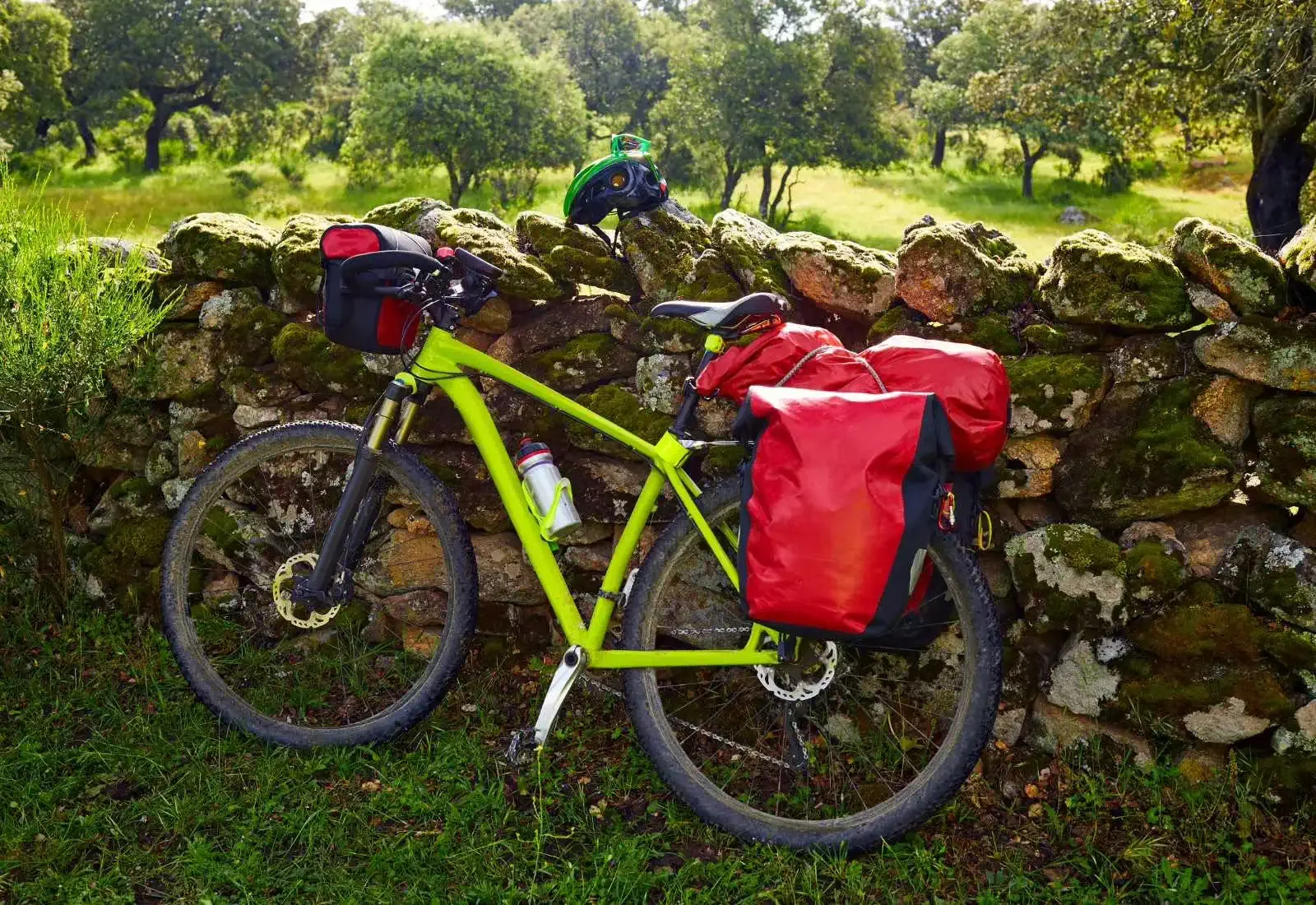
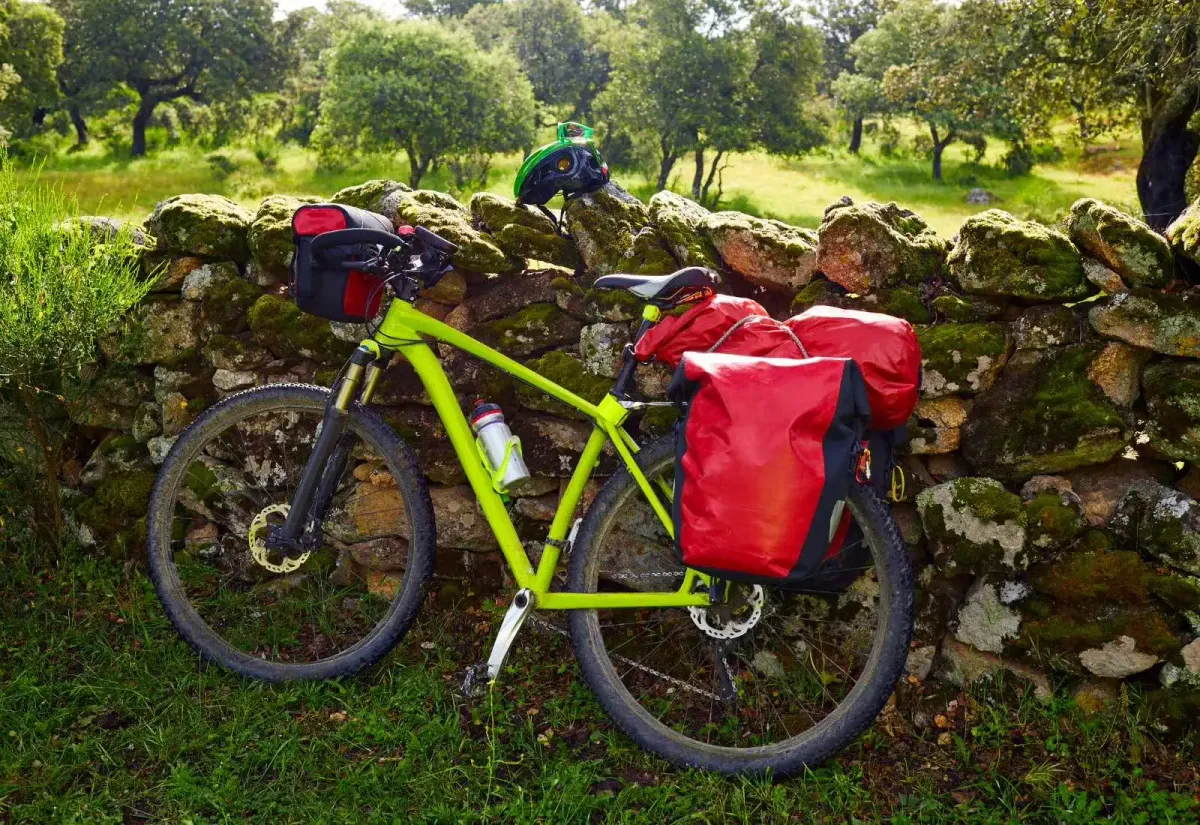
The bicycle carries most of your gear (panniers or bikepacking). In addition, we include luggage transport between stages so you can travel even lighter.
-
Sport and discovery
You do sport while discovering towns, landscapes and culture at your own pace.
-
Signage and safety
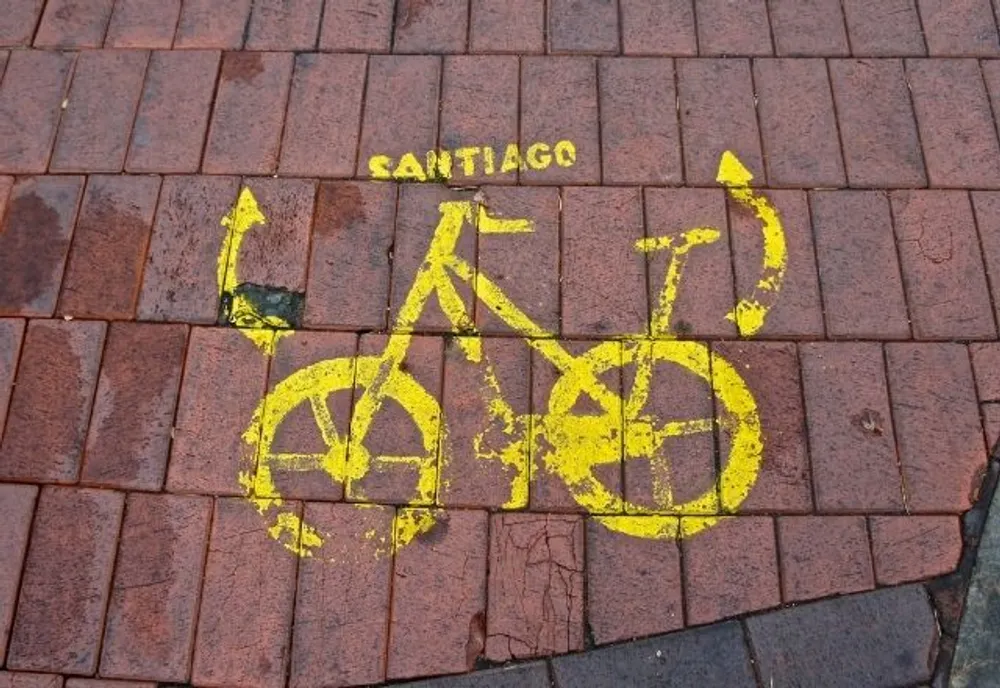
Yellow arrows, milestones and information panels guide you without difficulty. The main routes are well maintained and quiet, allowing you to pedal with confidence.
-
The 200 km for your Compostela
If you complete at least the last 200 km by bike and stamp your pilgrim credential, you can collect the Compostela upon arrival in Santiago. In the case of the Camino de Finisterre, by starting in Santiago and reaching Finisterre, you will receive another certificate, the Finisterrana .
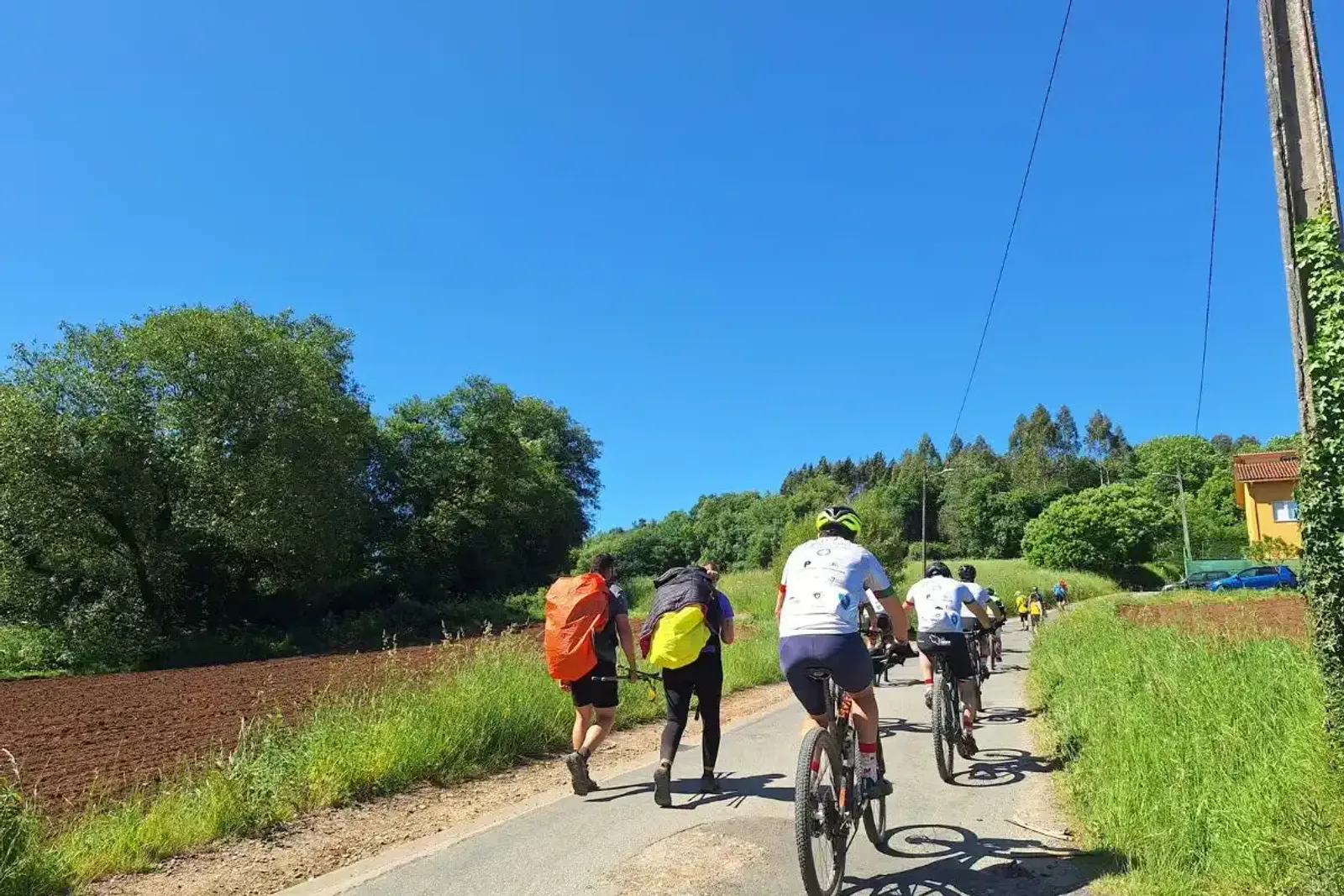
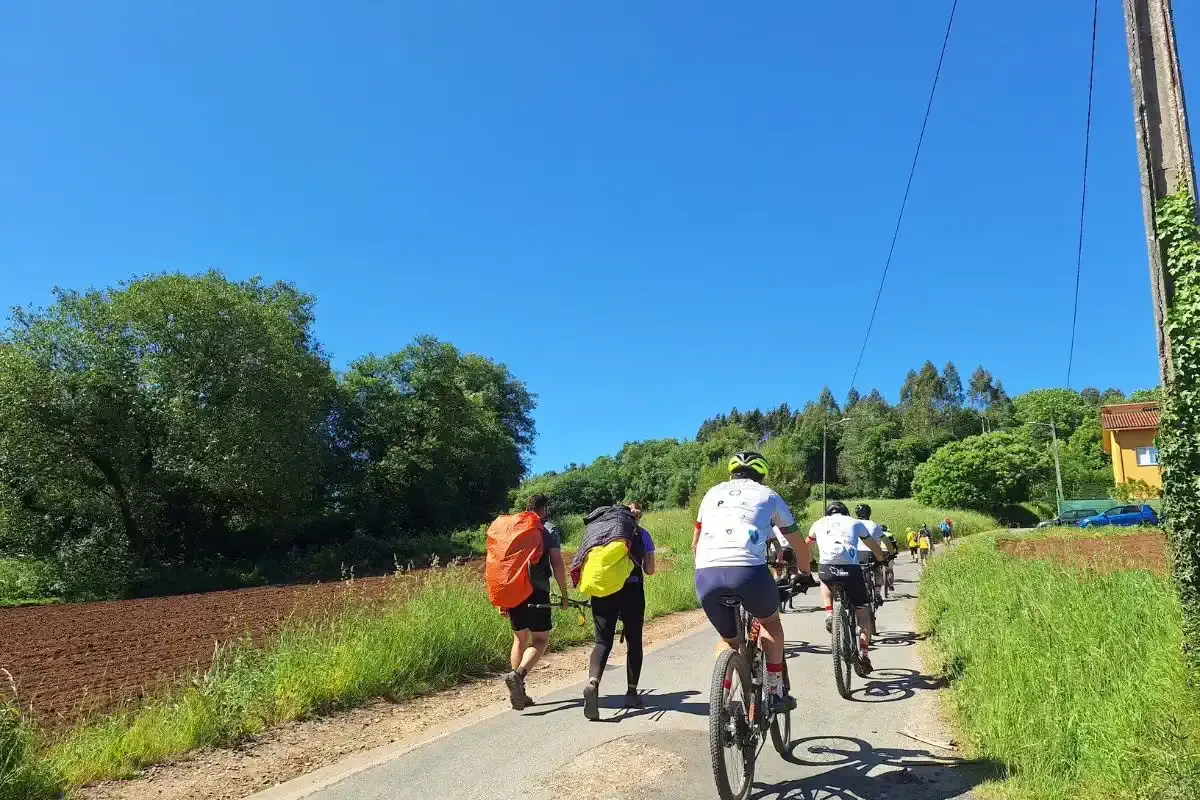
How to Cycle the Camino de Santiago
-
Get physically ready… without stress
For 2-3 weeks, go on 2-3 rides per week (40-60 km) and try cycling with 10-12 kg in panniers. Adjust your saddle and check brakes, drivetrain and tyres. Bring lights and a bell to share the path with walkers.
-
Prepare your bike… or rent one from us
A tune-up is essential to ride several dozen kilometres per day. If you prefer to keep things simple, we offer a bike rental service with fully equipped bicycles ready for the Camino.
-
Choose your route and dates
Pick the itinerary that best fits your preferences and schedule. We’ll help you choose among the most popular options for cyclists.
-
Pack smart
In addition to your clothing and gear, include basic tools and spare parts to solve small issues along the way.
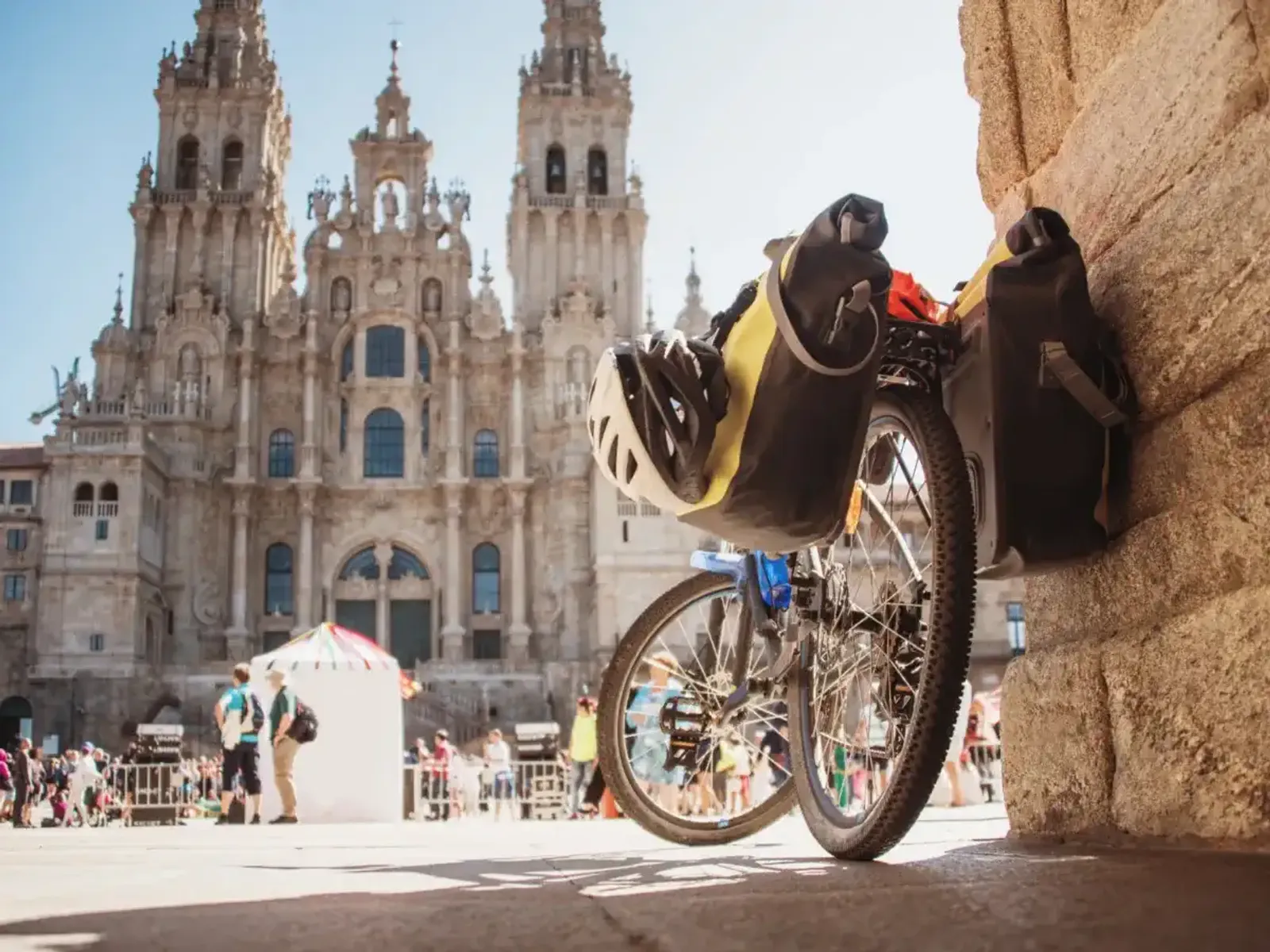
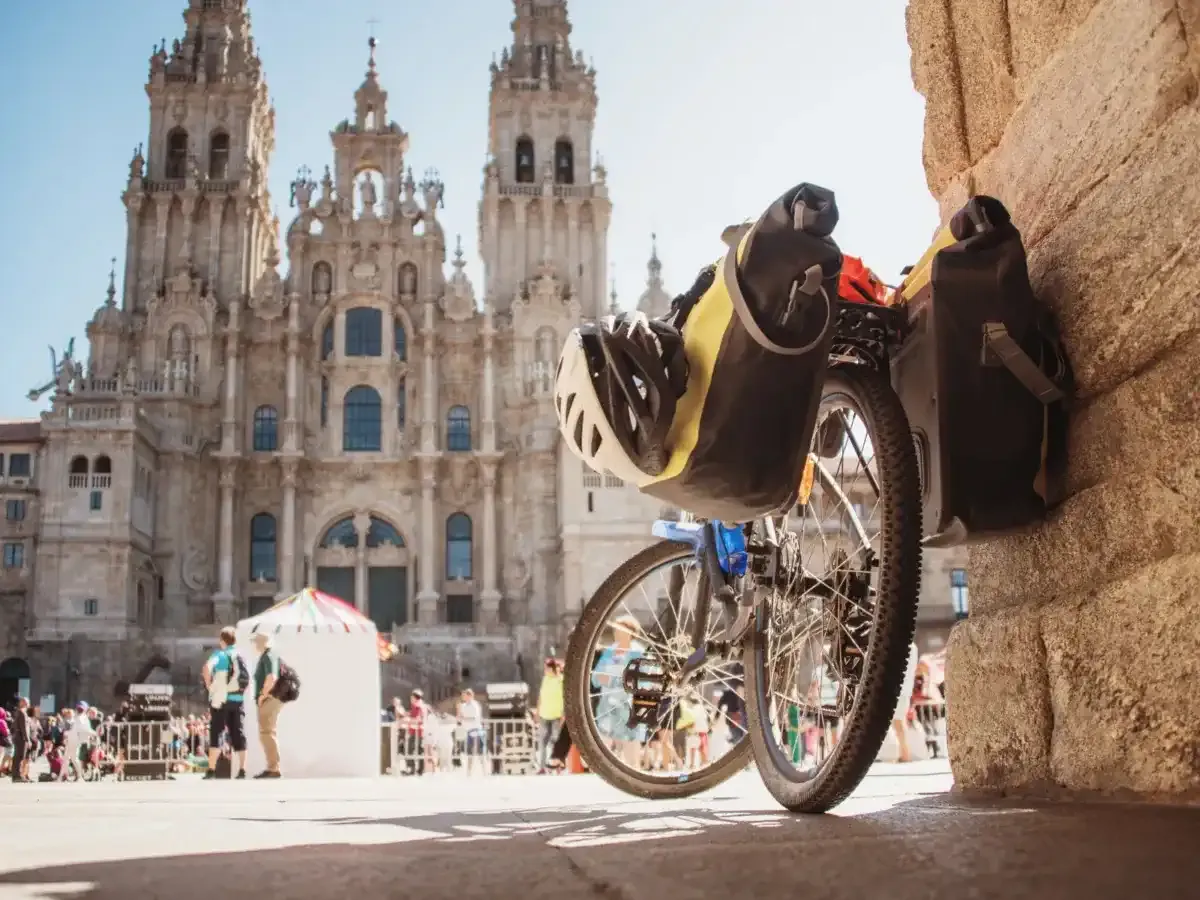
What to Pack for the Camino de Santiago by Bike
Technical clothing that regulates and protects
2-3 breathable T-shirts (short or long sleeves depending on the season), 2 padded cycling shorts (wash daily if possible), a lightweight windbreaker jacket, waterproof trousers and overshoes for heavy rain, and thin tights for cold or damp days.
Proper footwear
Cycling shoes with cleats and walkable soles, lightweight shoes for relaxing in the afternoon, and sandals or flip-flops for the shower and to let your feet breathe.
Safety and visibility at all times
Approved helmet (mandatory in Spain), summer/winter gloves to avoid chafing, UV-filter sunglasses with protection against dust and insects, a neck warmer or scarf for descents, and a light cap for walking stops.
Hydration and energy within reach
Hydration backpack or 750 ml bottles (two are better). Keep them accessible to drink frequently and avoid energy drops during each stage.
Panniers and luggage organisation
Waterproof rear panniers (15-20 L each) to distribute the weight and keep your belongings dry; use bungee cords to secure a mat or an extra jacket.
Lighting and anti-theft
Rechargeable front and rear lights to see and be seen, and a medium- or high-security lock to protect your bike during stops and at hostels.
Essential tools and spare parts
Multi-tool kit, 2 inner tubes, patches and a pump to fix punctures and make small adjustments on the road. They’ll save you trouble and give you autonomy.
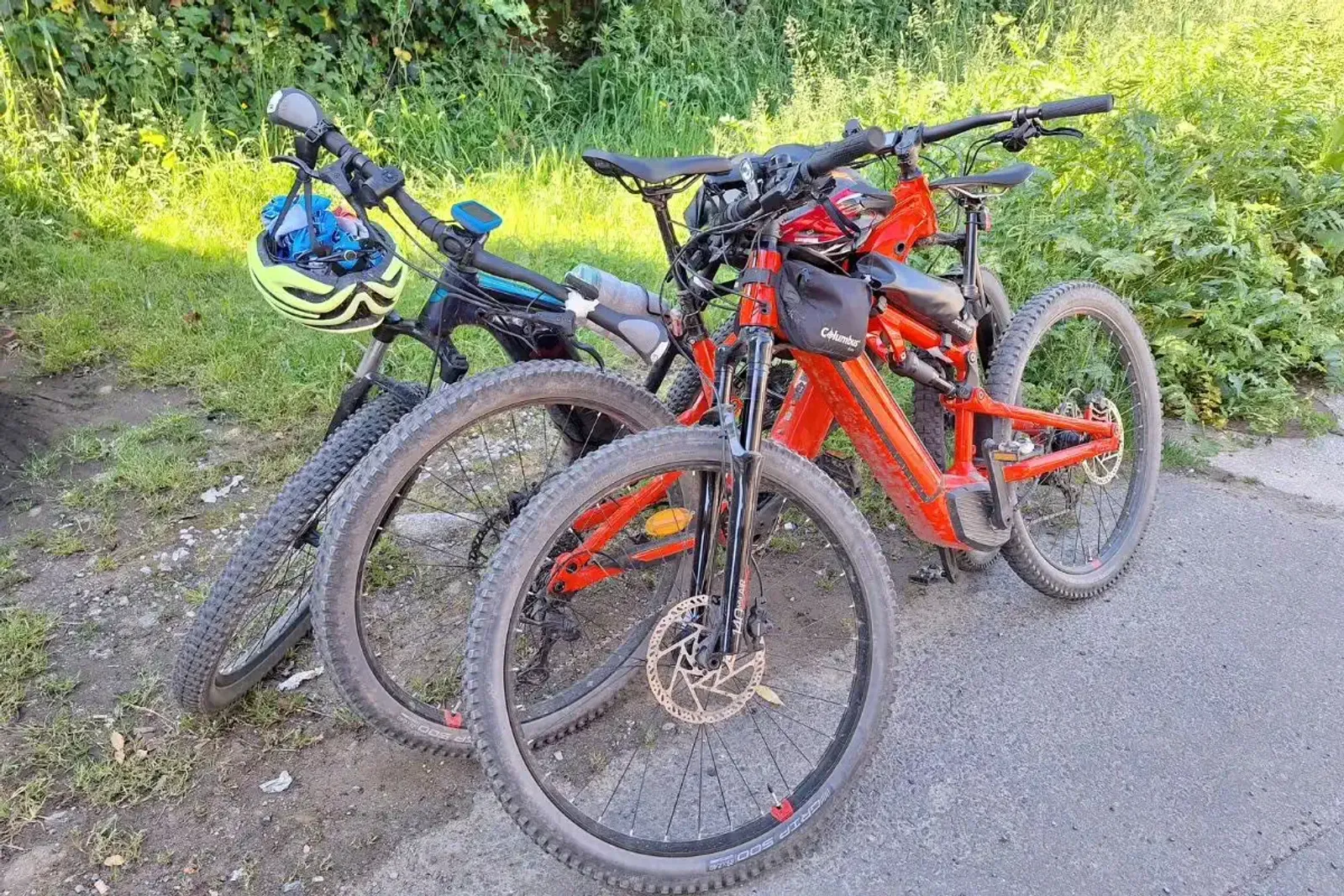
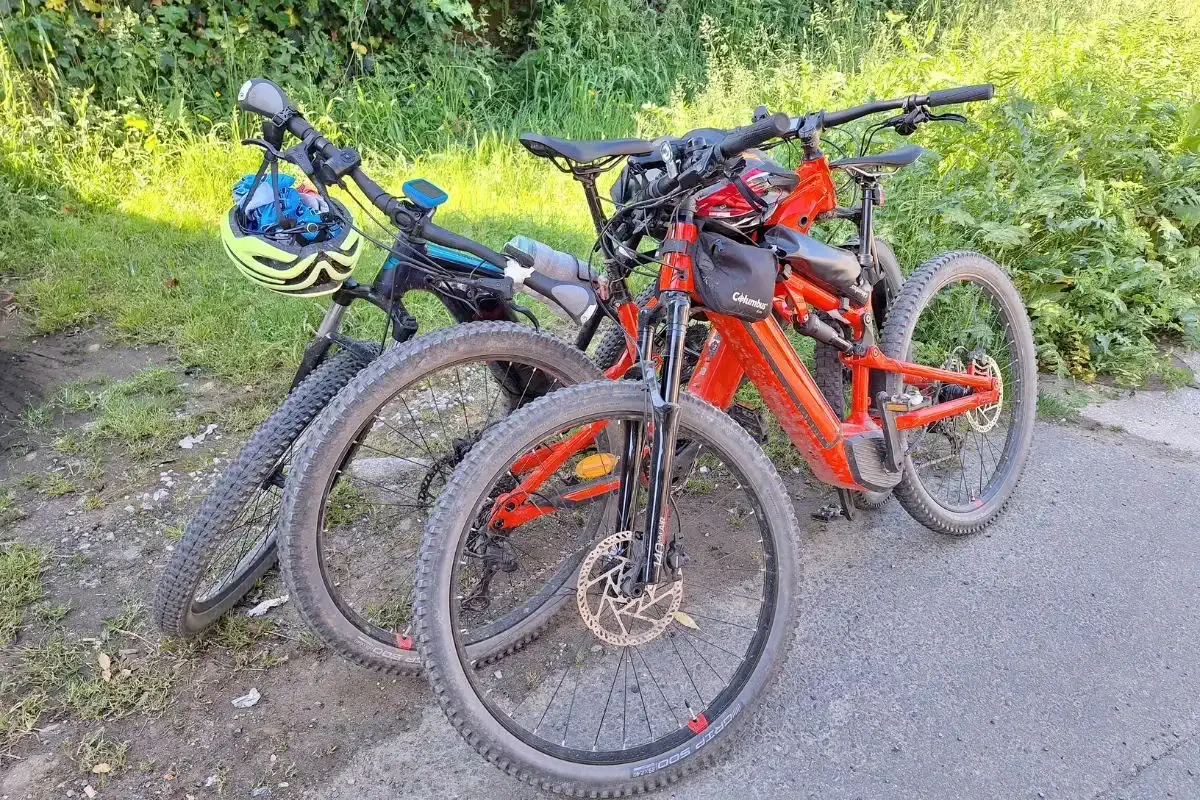
Our Bikes for the Camino de Santiago
Choose the bike that fits you best:
| Type of Bike | Suspension | Brief Description |
|---|---|---|
| Aluminium MTB | Hardtail or full | A durable and lightweight mountain bike, ideal for Camino routes with mixed terrain. The hardtail version prioritises efficiency and lightness, while the full-suspension version improves comfort on rough ground. |
| Electric MTB (E-MTB) | Hardtail or full | Version with electric assistance that makes climbs and long distances easier. The hardtail model is lighter, while the full-suspension model offers greater comfort on technical sections. |
| Carbon MTB | Hardtail or full | A high-performance, ultra-lightweight bike ideal for experienced cyclists. The full-suspension version enhances control and stability on challenging terrain. |
| Gravel / Lapierre Gravel | — | A versatile bike between road and mountain, perfect for compact dirt tracks. Thin tyres and a comfortable position for long rides. |
| Haibike Alltrack Kids 24 | — | Children’s version with 24” wheels, light and safe, designed for kids who join shorter or family stages. |
Best Time to Cycle the Camino de Santiago: Pros and Cons
The Camino can be done all year round. In general, the best time is from spring to autumn; in winter, you’ll find cold weather, rain, and even snow on some sections.
| Season | Advantages | Disadvantages |
|---|---|---|
|
|
|
|
|
|
Travelling in summer without booking?
During high season, accommodation and transfers fill up quickly. Travelling without reservations often means wasting time looking for a bed or having to adjust your stages. The best option is to book in advance. With Viajes Camino de Santiago, you’ll have confirmed rooms, luggage transport, and on-route assistance — so all you need to worry about is pedalling.
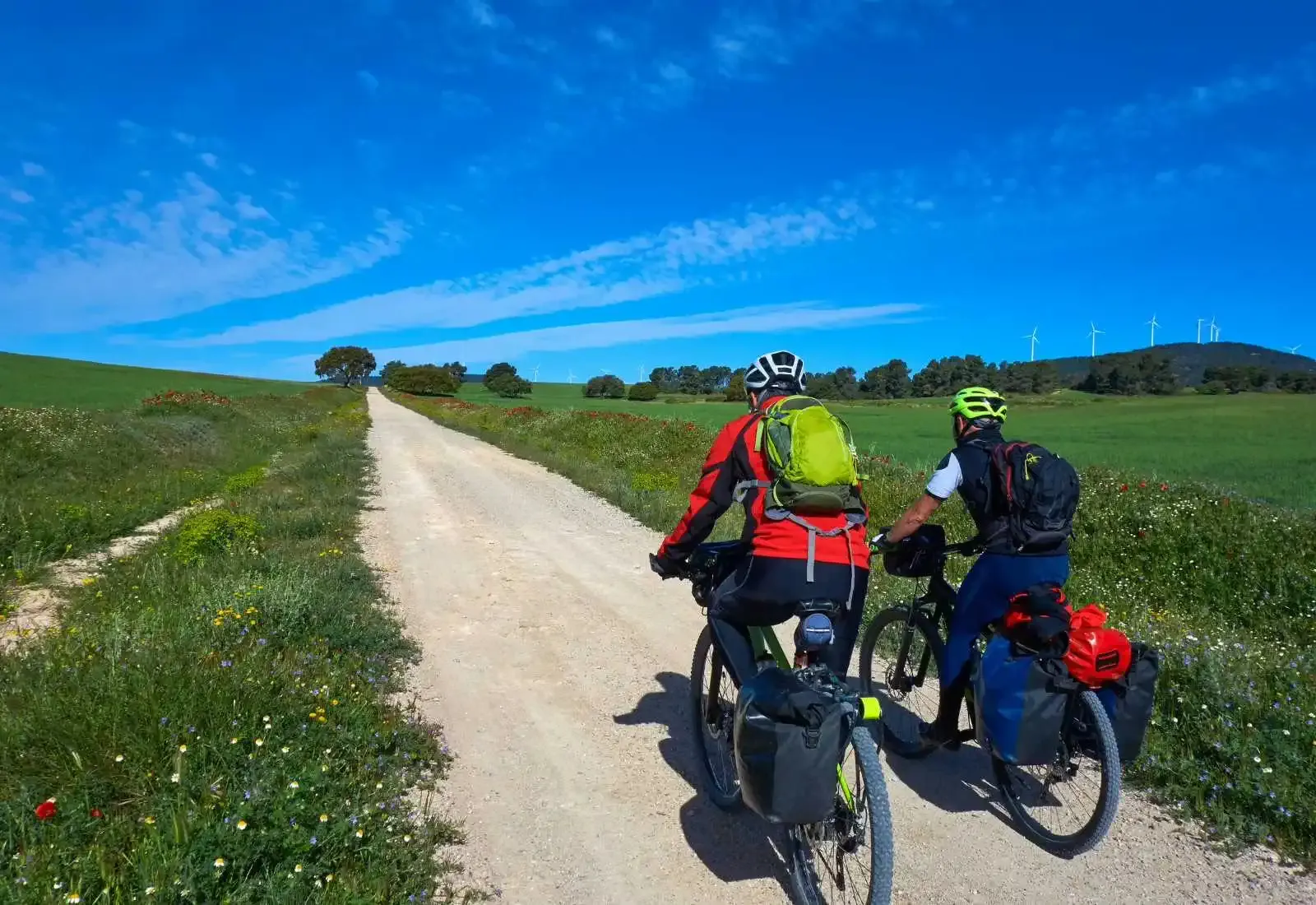
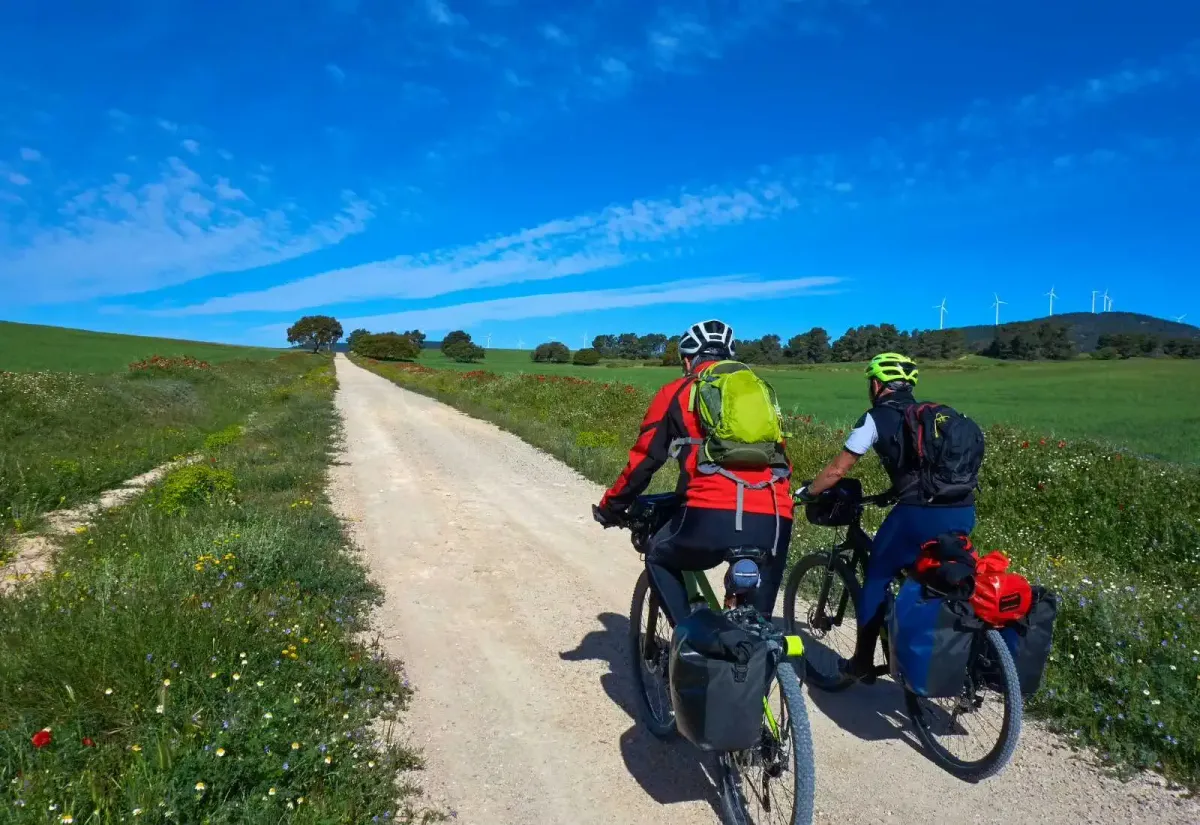
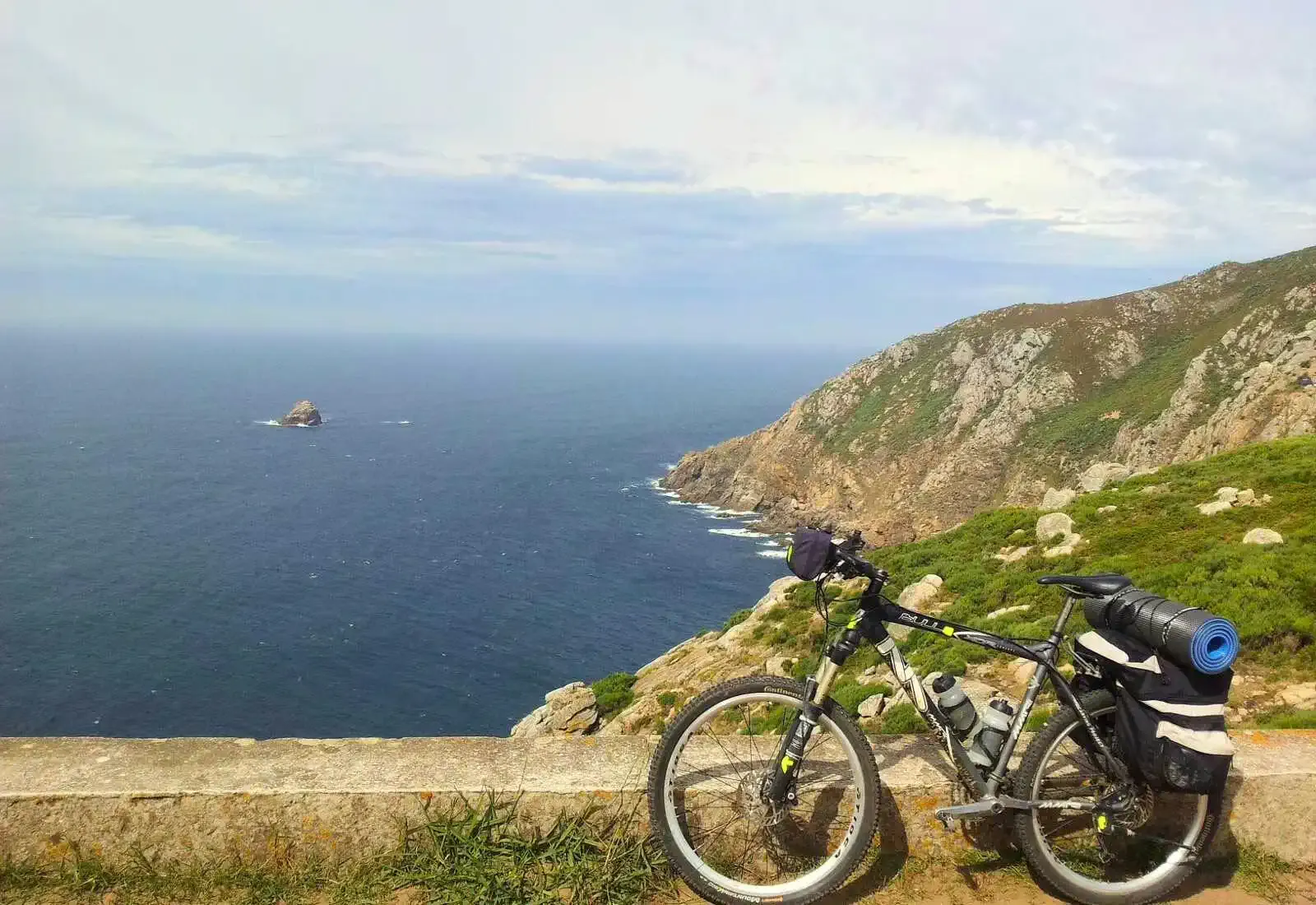
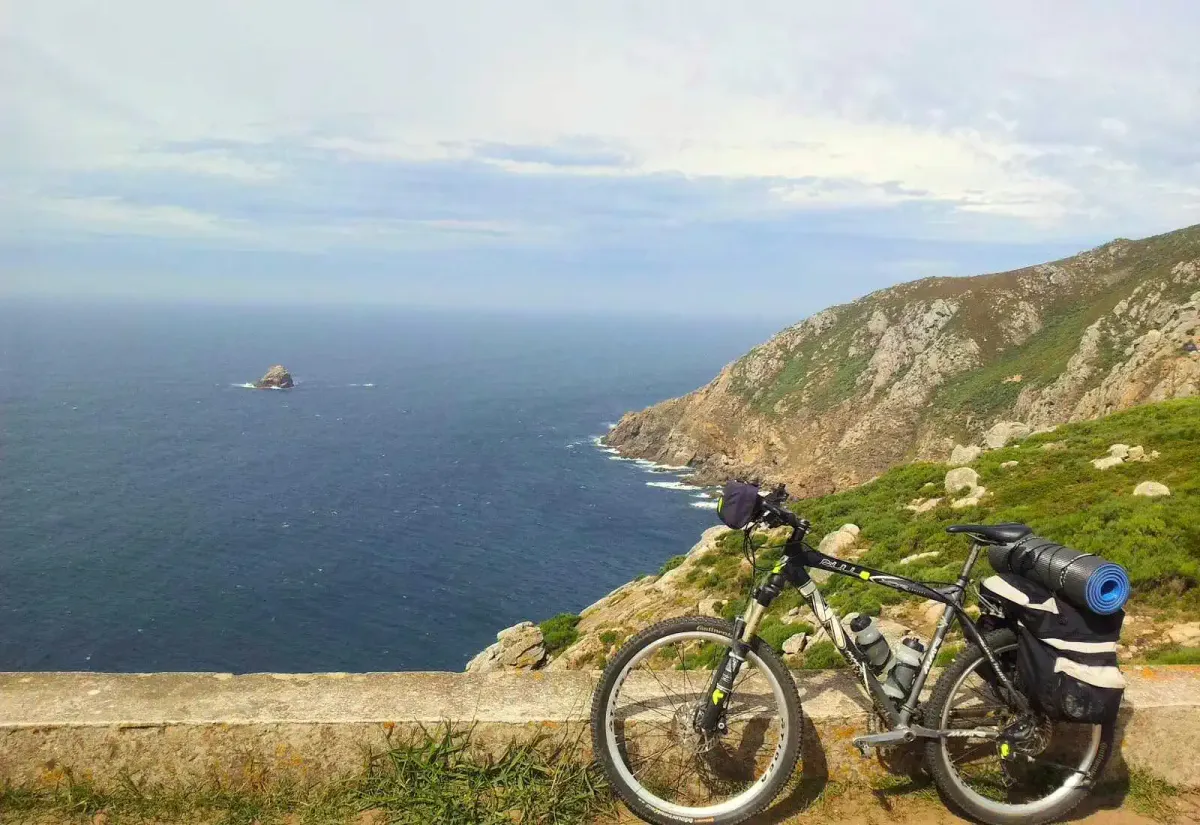
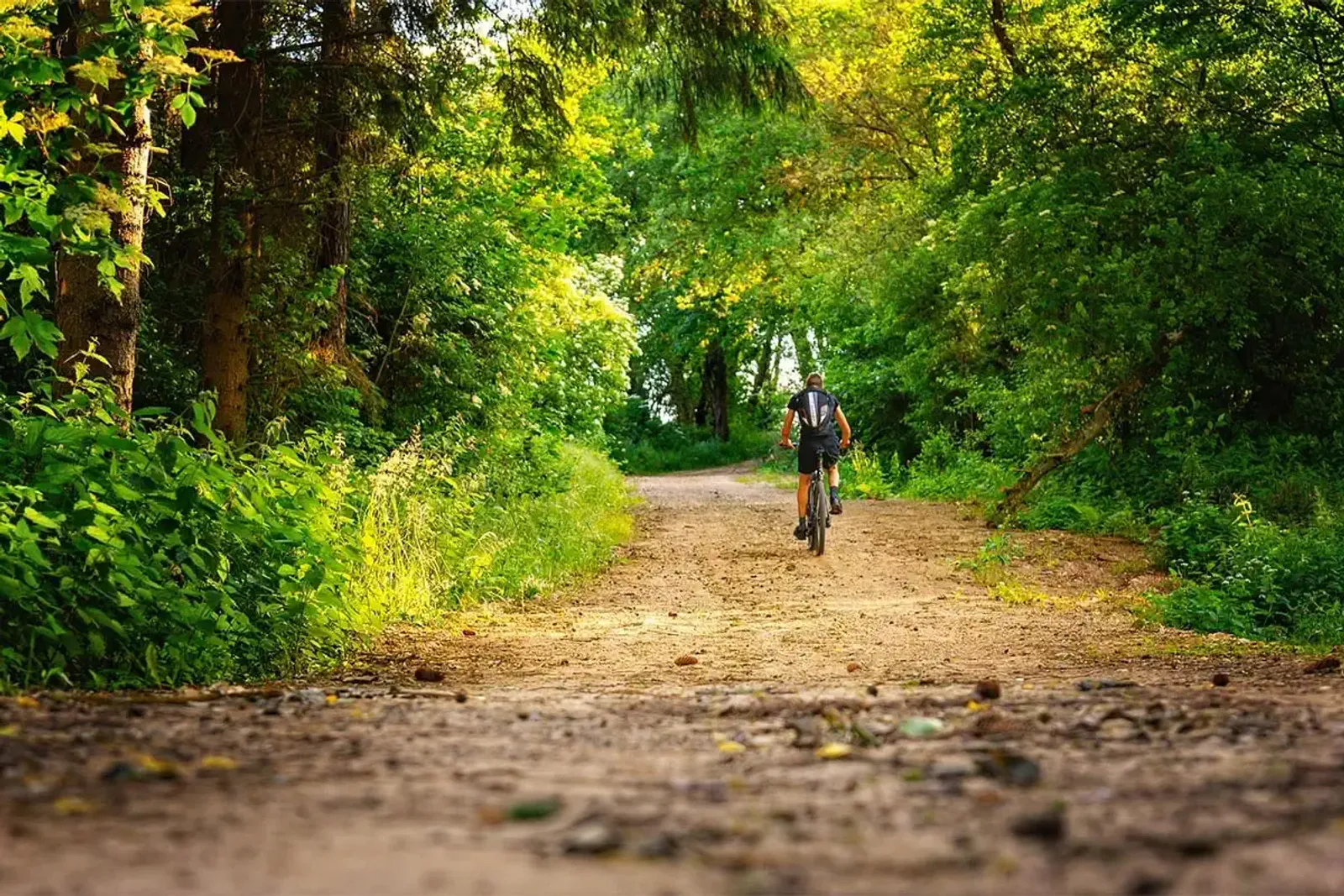
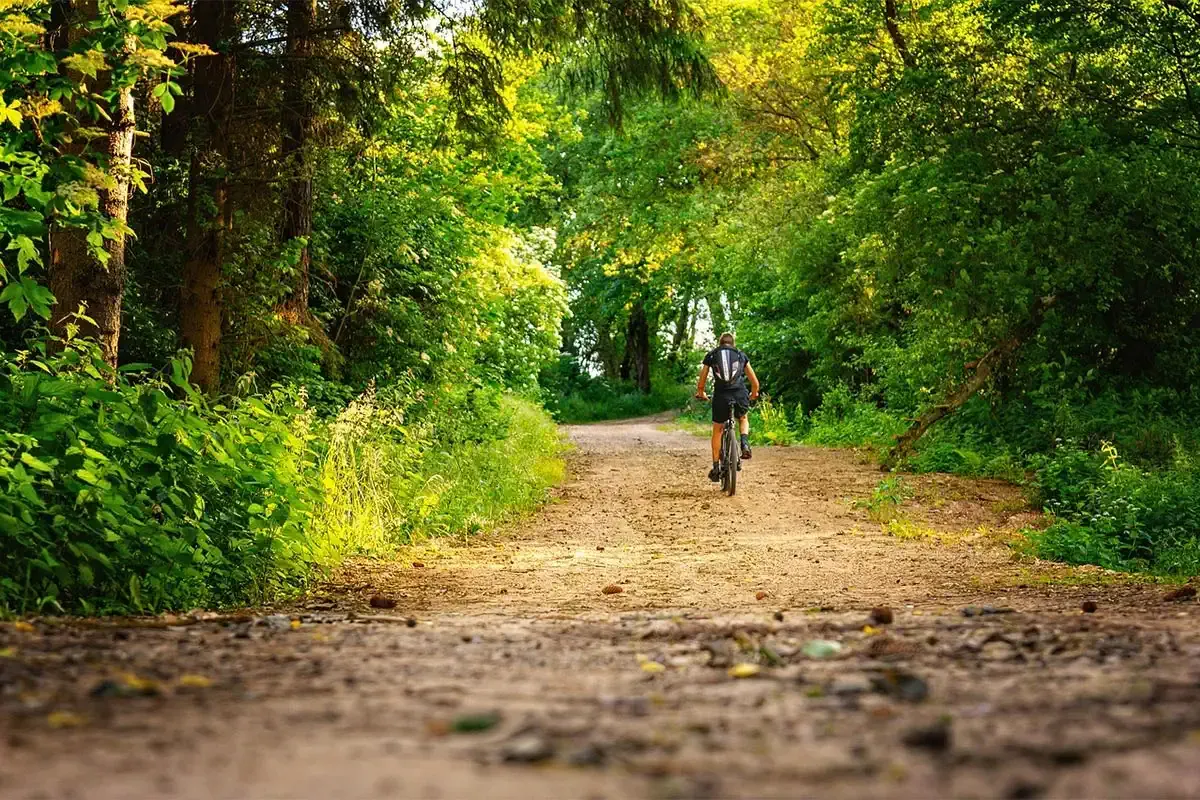
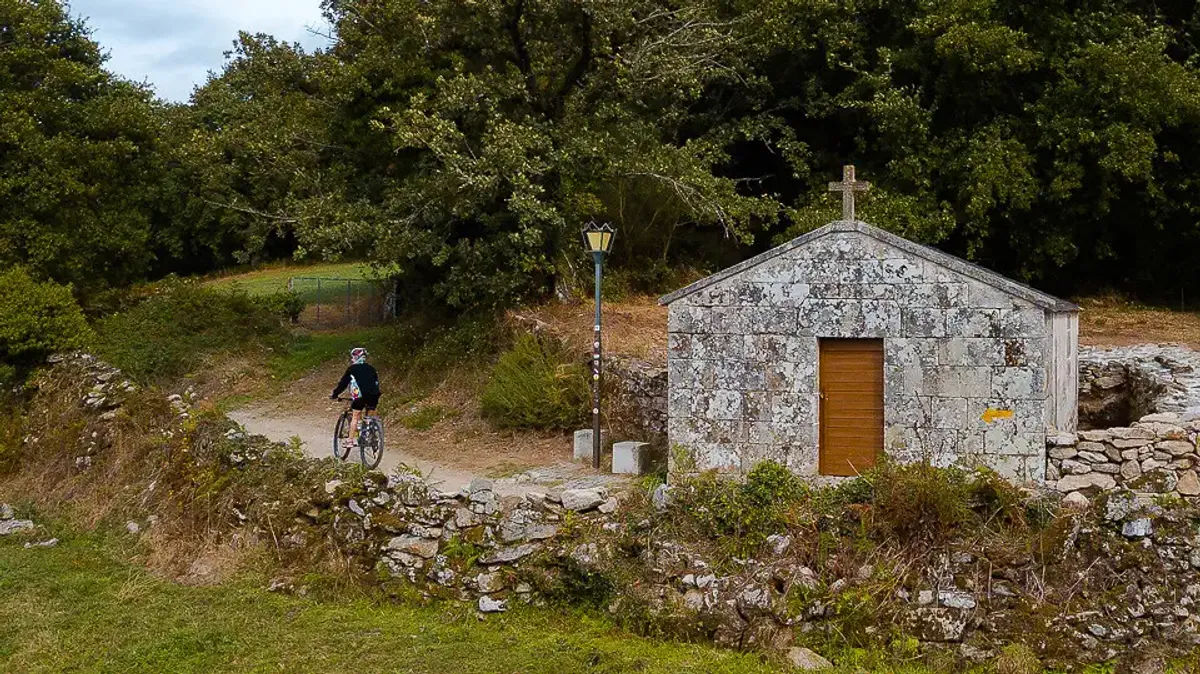
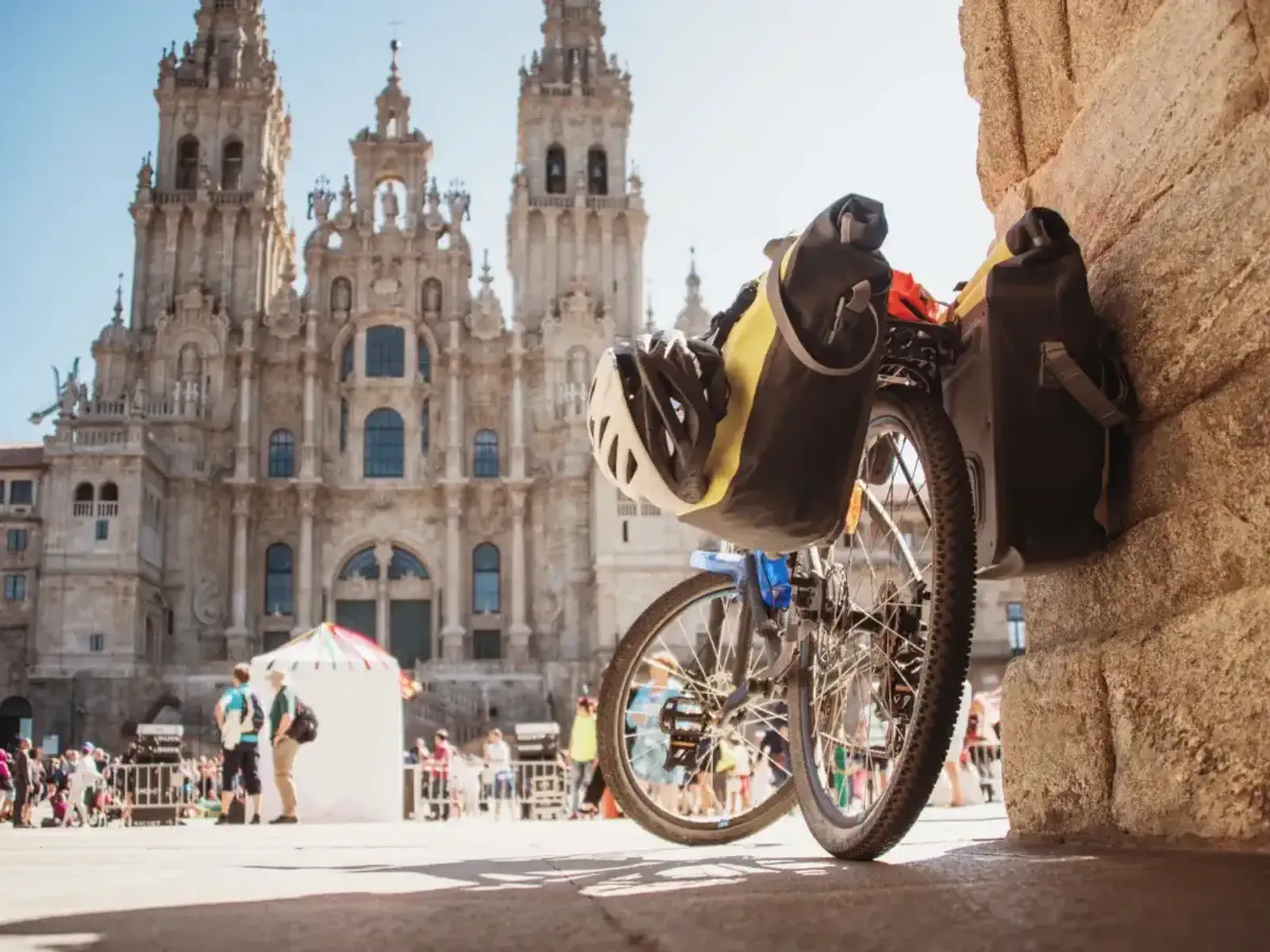
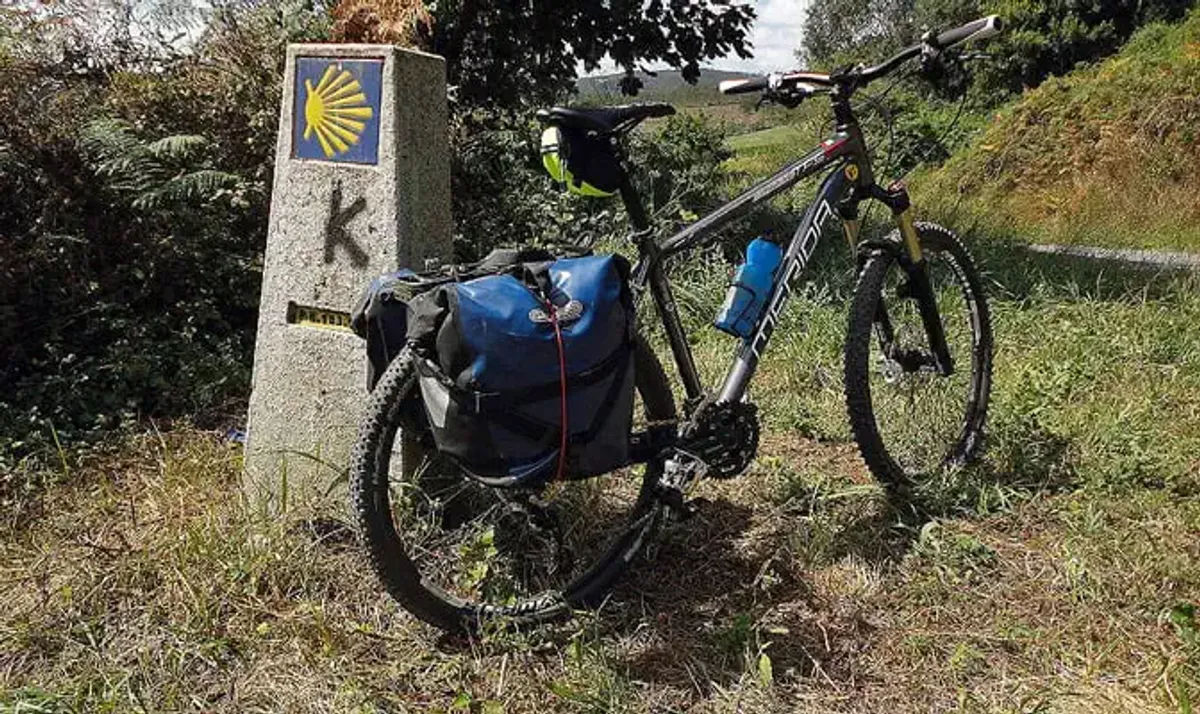
Photos of the Camino de Santiago by Bike
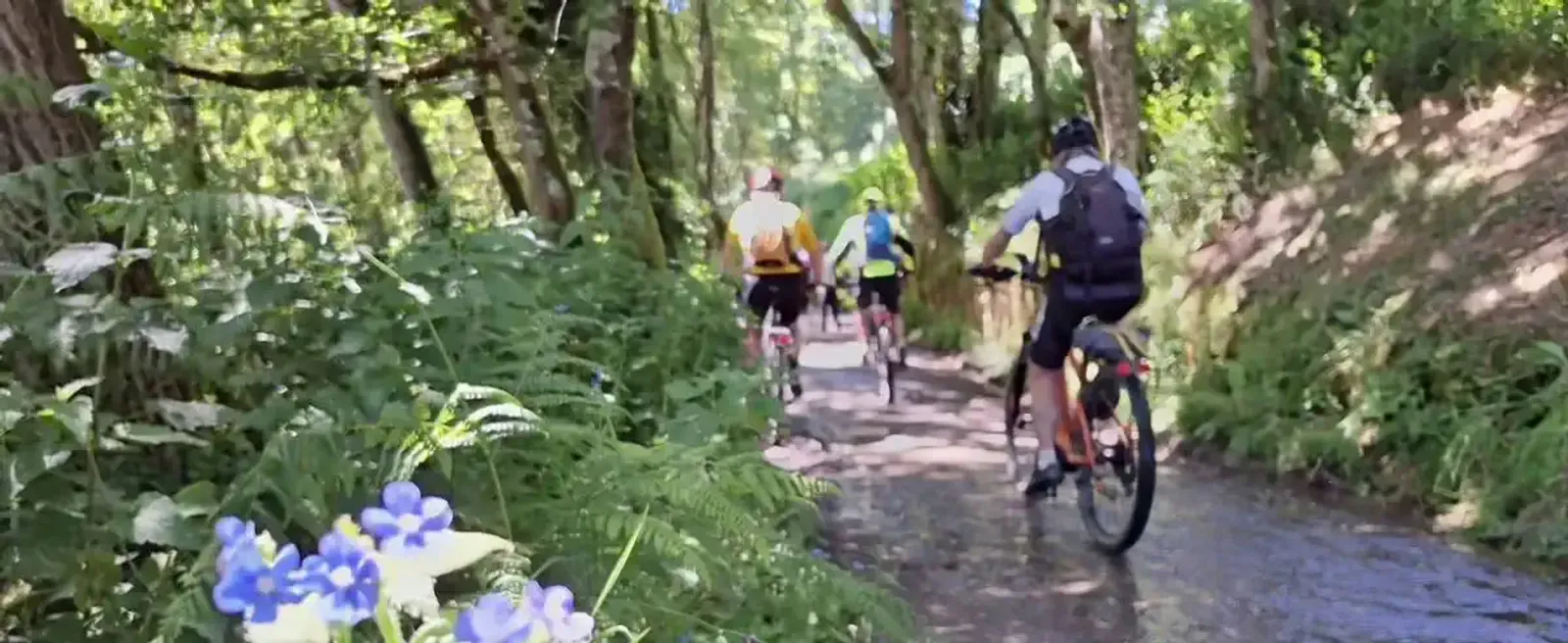
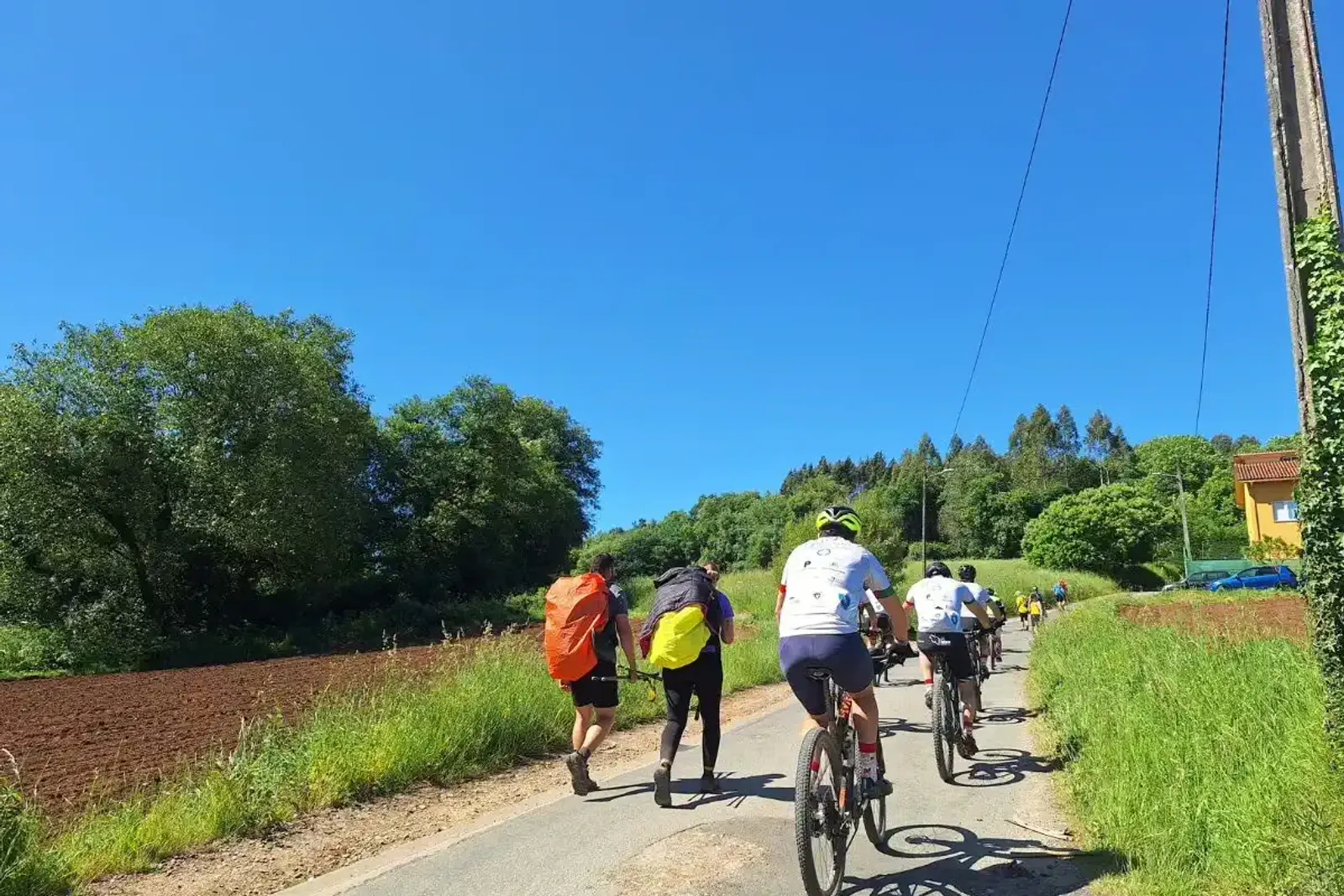
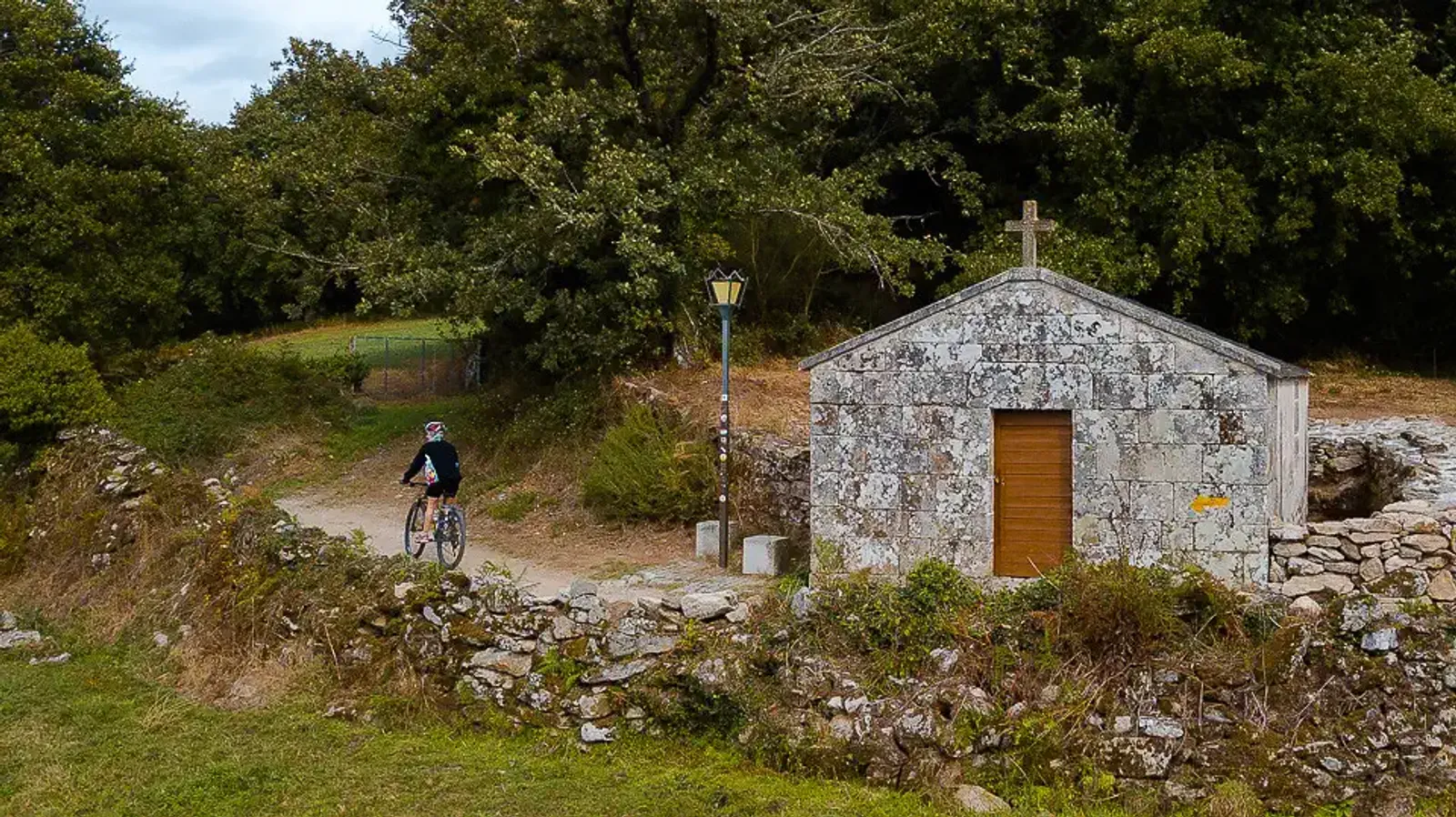
This is how our pilgrims experience the Camino de Santiago. Thank you for sharing your photos!


FAQ - Cycling the Camino de Santiago
-
When to do the Camino de Santiago by bike?
The Camino de Santiago can be enjoyed at any time of the year, although there are better times of the year than others. In general, the best time to do the Camino, either on foot or by bicycle, is between late March and late October, i.e., covering spring, summer and early autumn. At this time of year the weather is milder than in winter, and the Camino is more enjoyable. However, in the central summer months, such as July and August, the Camino is full of pilgrims, with more crowded trails and less accommodation available if you travel without a reservation. -
Are bicycles allowed on the Camino de Santiago?
Of course, of course they are allowed! Many pilgrims decide to do the Camino by bike every year, and the pilgrim routes are prepared for it. However, you have to plan your bike trip well, for example, making sure that your accommodation allows you to store your bike, or transport yours at the beginning of the road, and return home with it. We offer bicycle trips, as well as bicycle rental services and even electric bicycles, so you don't have to worry about transporting your own. -
How many kilometres are cycled per day on the Camino de Santiago?
Doing the Camino by bike allows the ‘bicigrino’ to cover more kilometres per day than a pilgrim on foot, easily double. The number of kilometres cycled per day depends on several factors:- physical capabilities of each person;
- time available;
- route and section chosen (technical difficulty of the terrain);
- availability of accommodation.
-
Does the travel insurance cover specific activities such as cycling or trekking?
Yes, our travel insurance is specific for outdoor activities such as the Camino de Santiago. You will be covered, whether you do the Camino on foot or by bike. -
How much money do you need to do the Camino de Santiago?
Knowing how much money you need to do the Camino de Santiago is relative, as it depends on several factors:- Distance and duration of the route: The more kilometers, the more stages, days, and nights.
- Mode of pilgrimage: Whether you walk, bike, or ride a horse can affect your expenses.
- Type of accommodation: The cost varies depending on whether you stay in a pilgrim hostel, guesthouse, pension, or hotel.
- Type of food: It depends on whether you always eat breakfast, lunch, and dinner in bars or restaurants, or if you save money by cooking at the hostel or having a picnic.
- Transportation to and from home: Getting to the starting point and returning home is another significant expense.
- Accommodation: Between €15 and €20 per night.
- Food: Depending on your choices, if you always eat in bars or restaurants, expect to spend about €5 for breakfast and €10 for each meal. That's around €25, which can be rounded to €30 to include water and snacks during the stage.