



A good pilgrimage is synonymous with good rest, and for this reason, for us, ensuring you have access to top-quality accommodations that meet your expectations is always one of the most crucial aspects of your trip.
We have a a wide network of hostels, guesthouses and hotels that have not only partnered with us for years but also offer services thoroughly approved by our professionals. Central accommodations, clean and comfortable facilities and a warm, familiar approach that will make you feel at home, leaving you with fond memories of your stay on the Camino de Santiago.
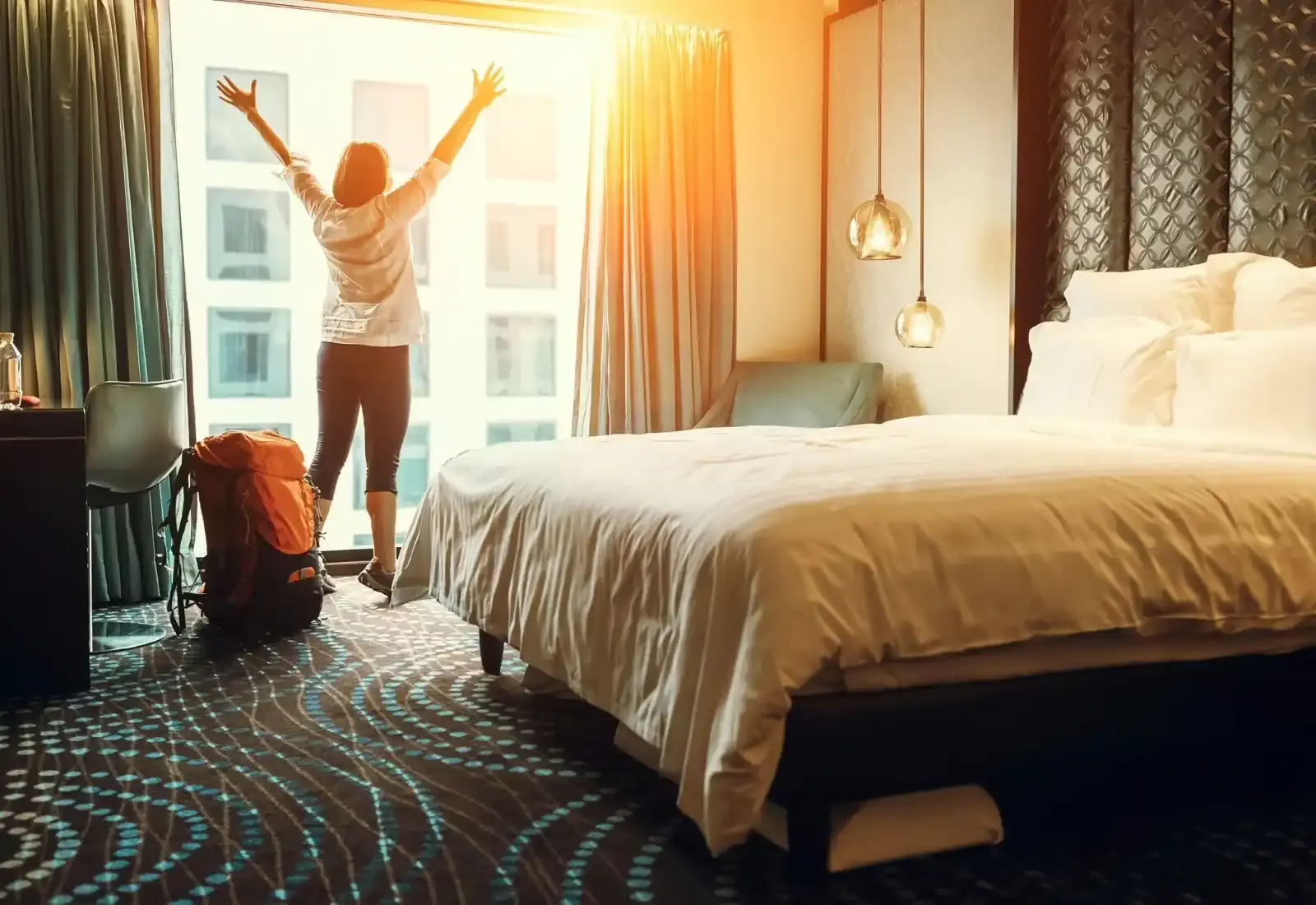
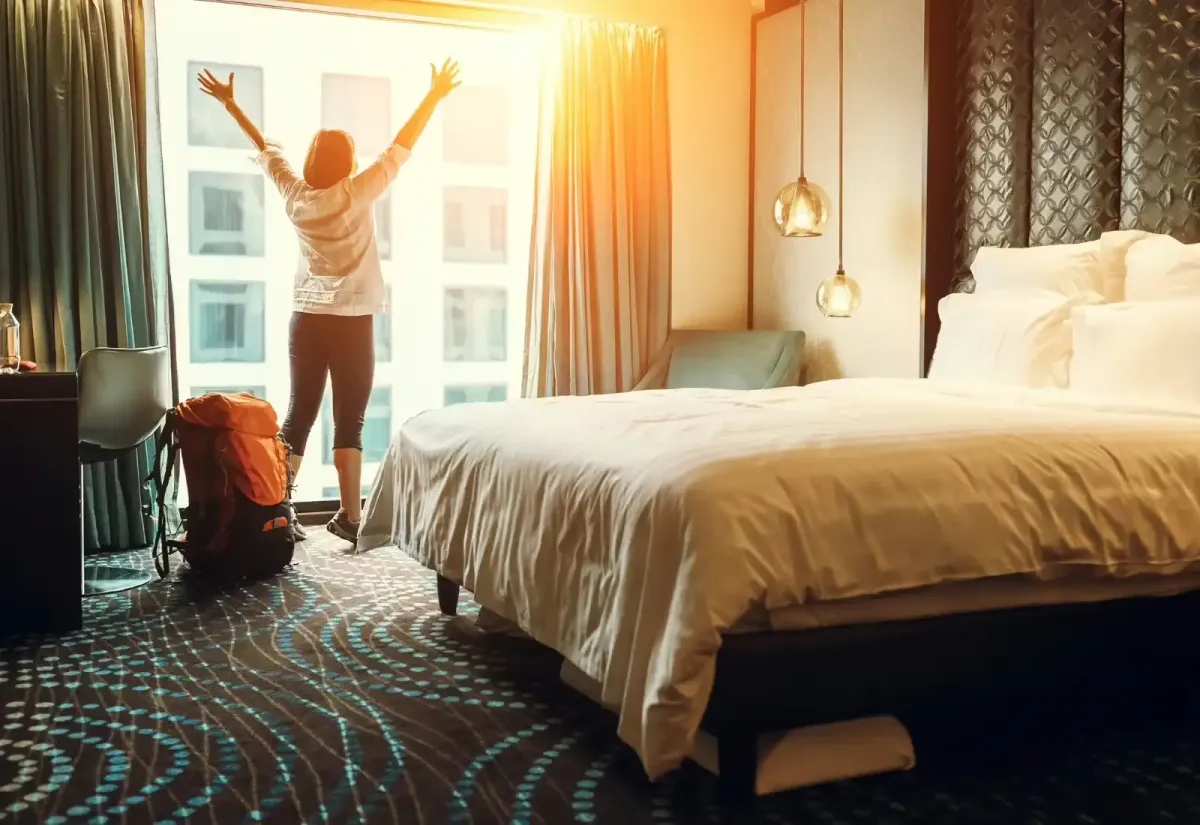
Types of accommodation
Private hostels
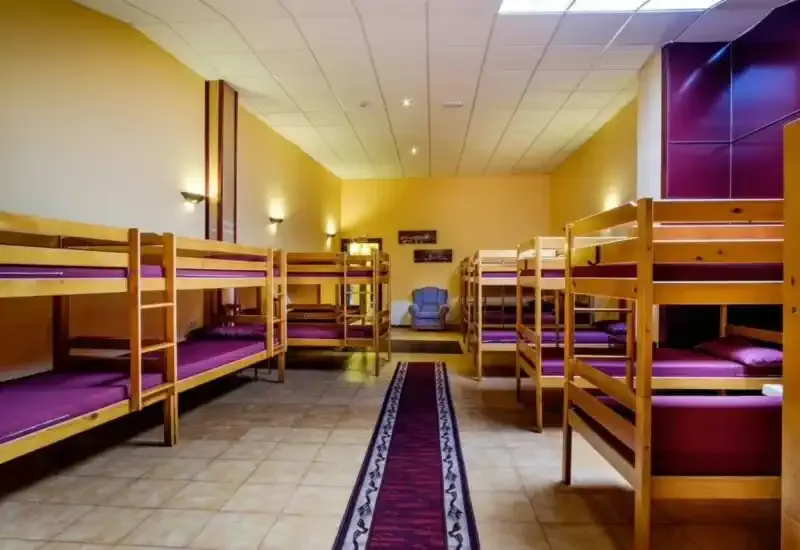
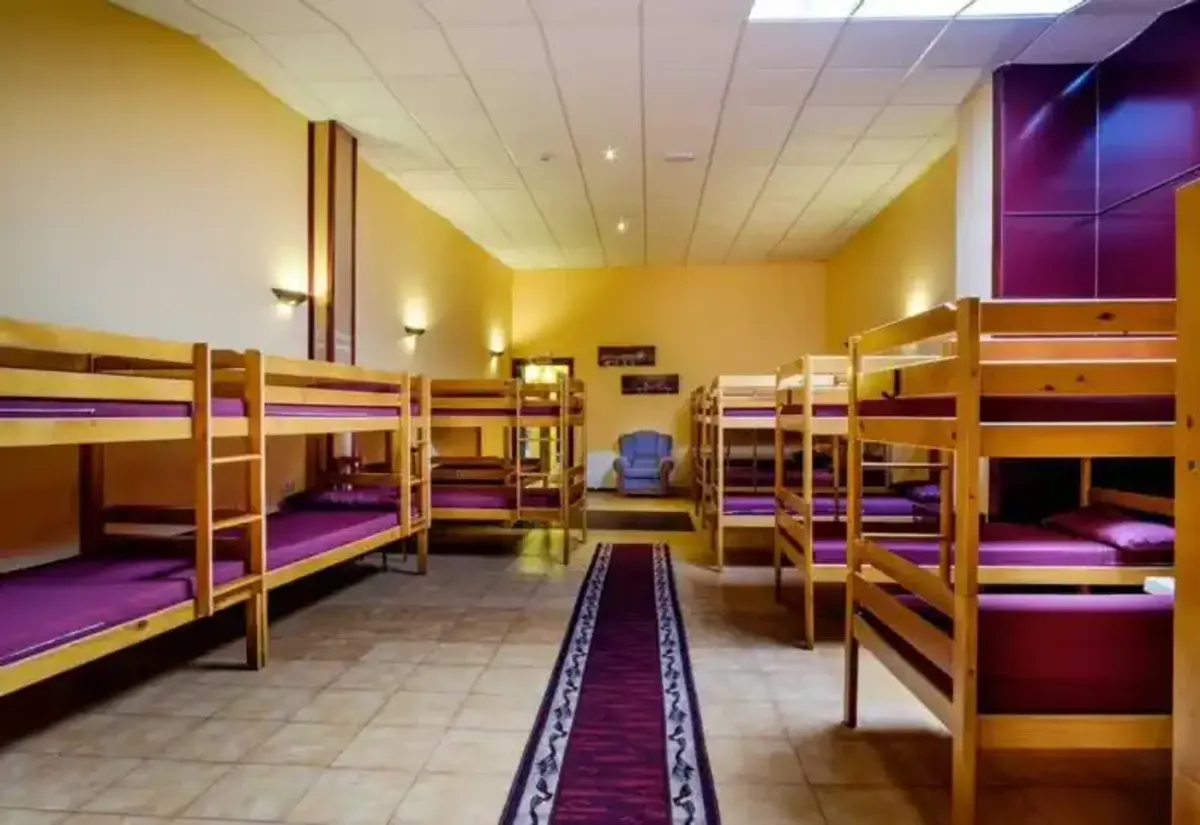
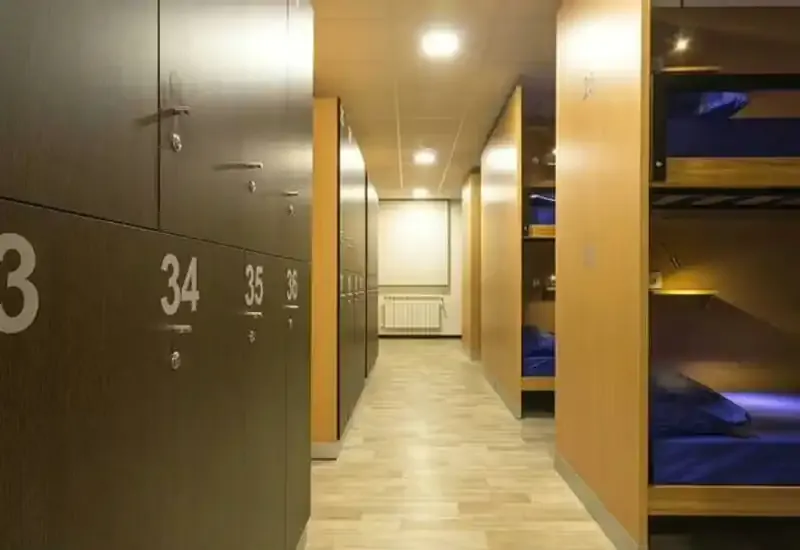
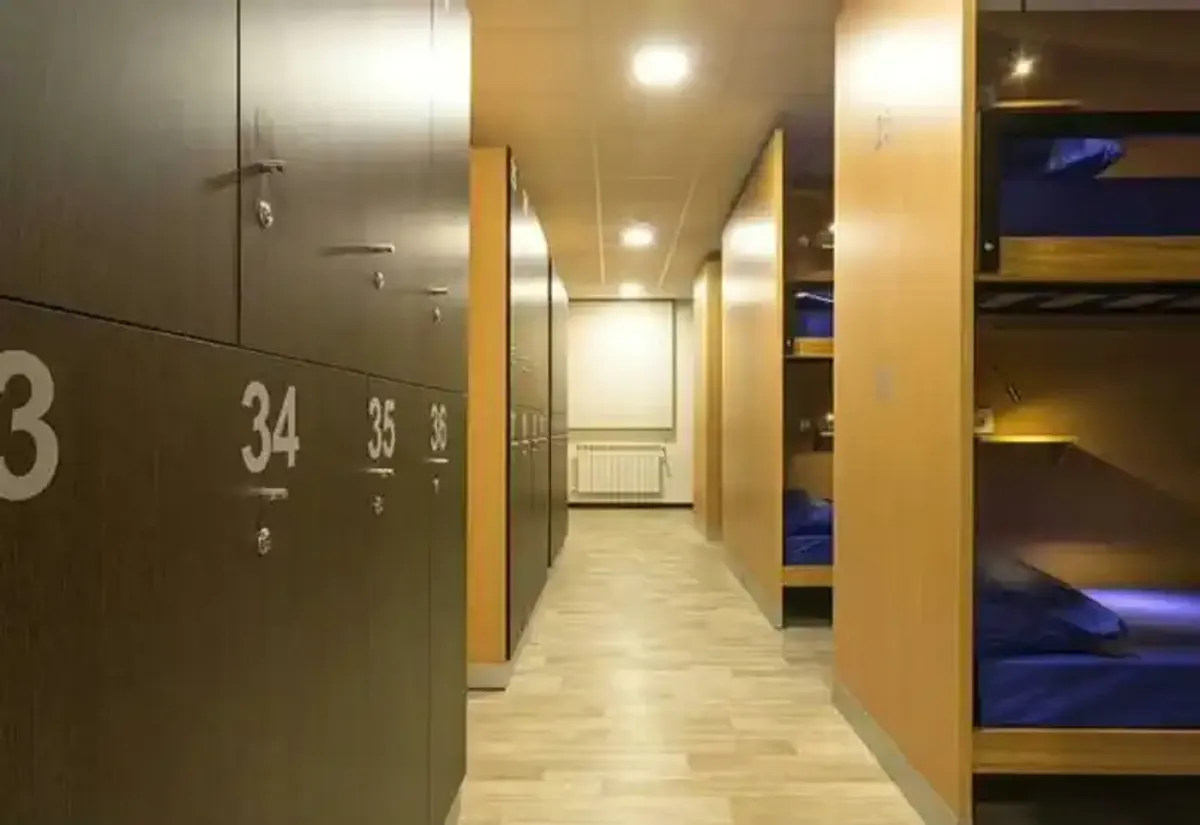
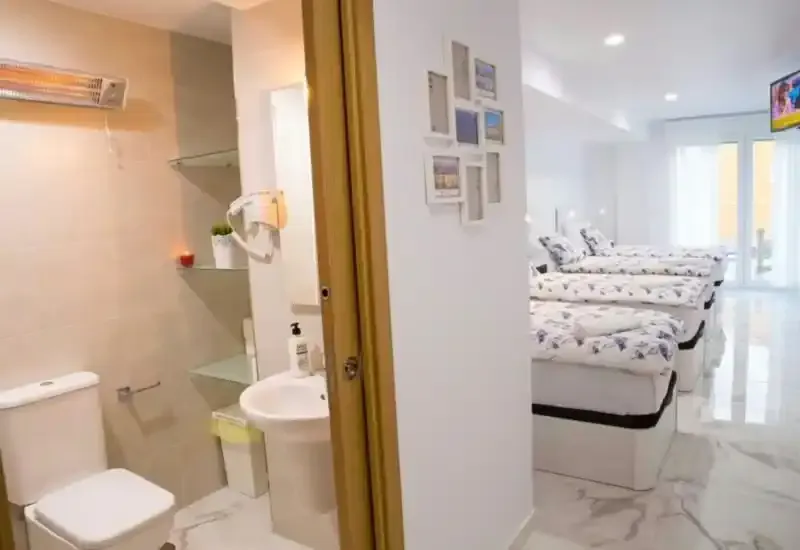
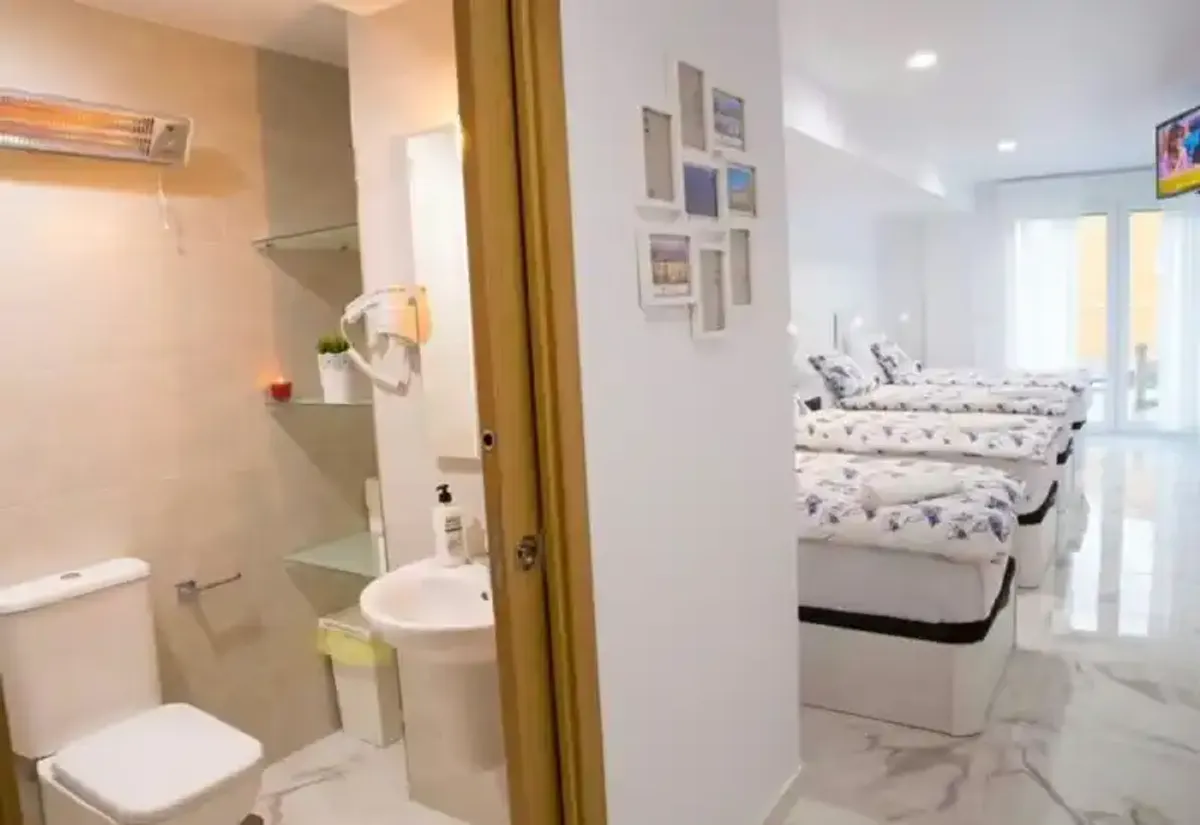
Hostels are the perfect option for solo travellers, those on a budget, or anyone looking to immerse themselves in the full Camino de Santiago experience. They offer a unique opportunity to connect with other pilgrims, share experiences, and embrace the journey’s spirit. Equipped with bunk beds in mixed dormitories, gender-specific bathrooms, well-appointed kitchens, laundry facilities, and cozy common areas, these hostels provide a comfortable and social setting. Here, you can unwind and enjoy memorable evenings, making new friends along the way.
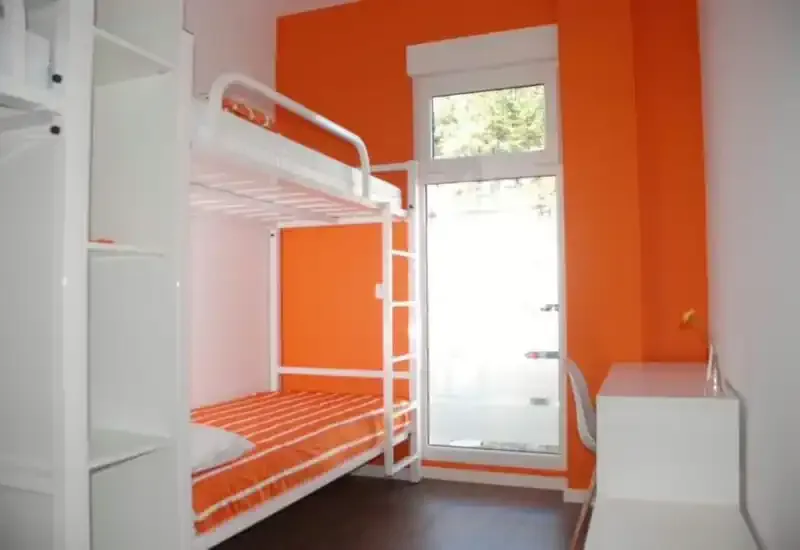
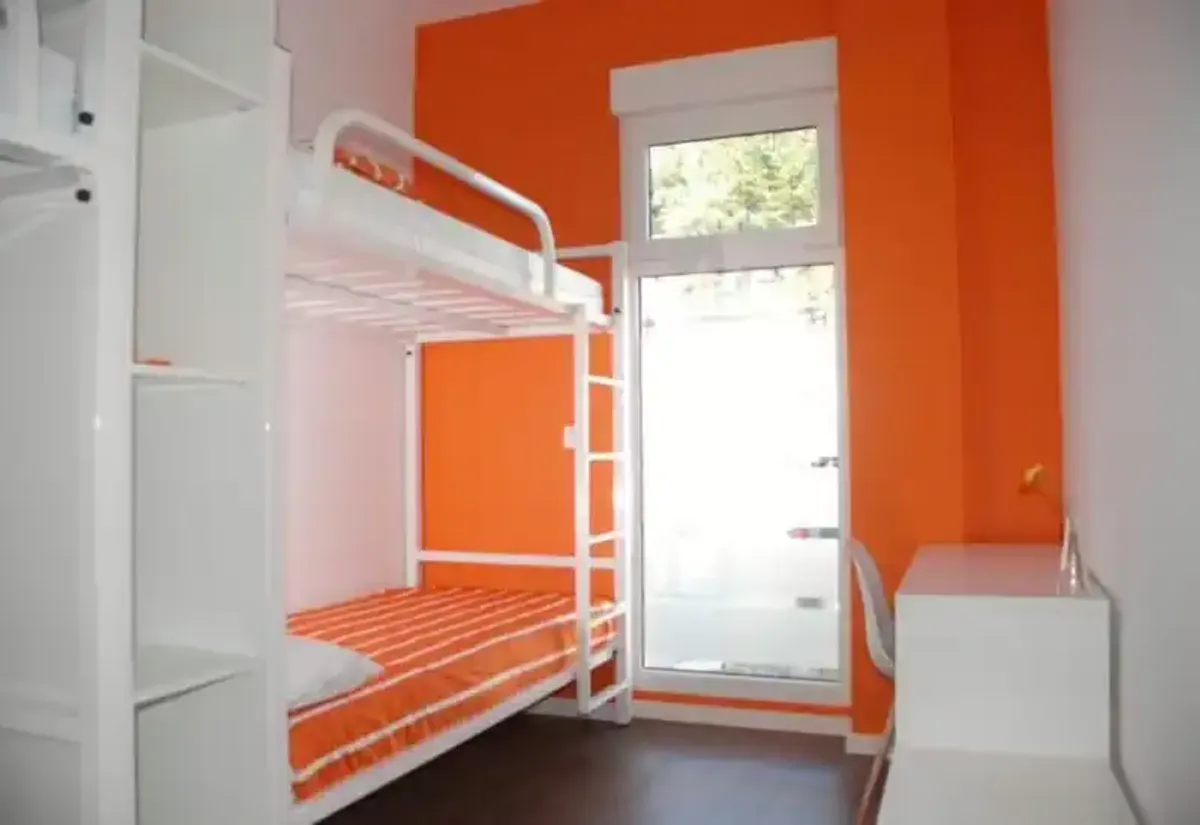
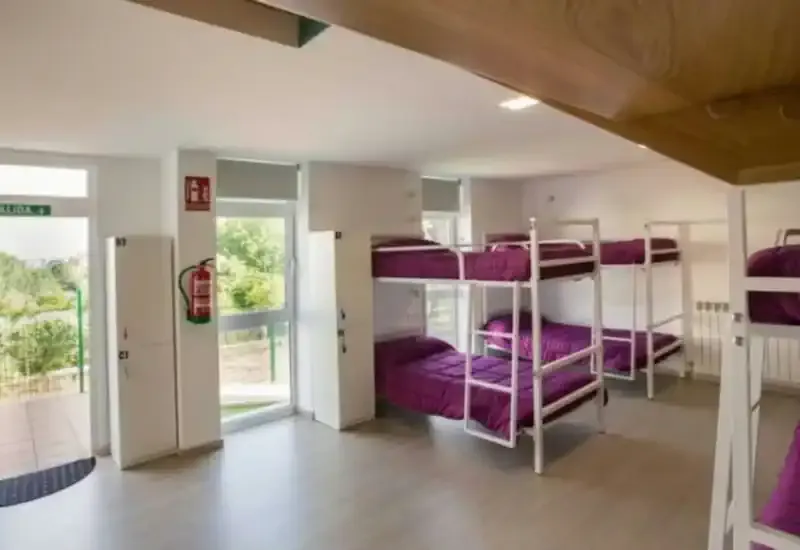
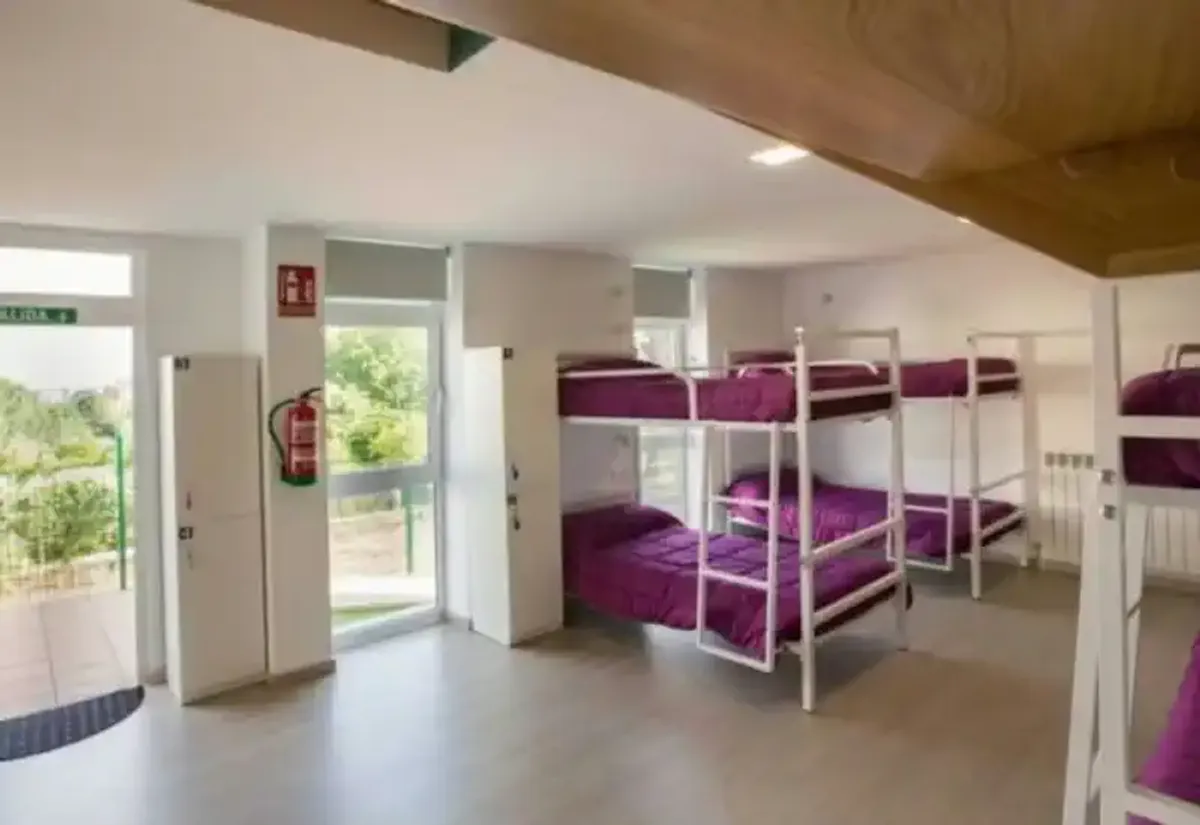
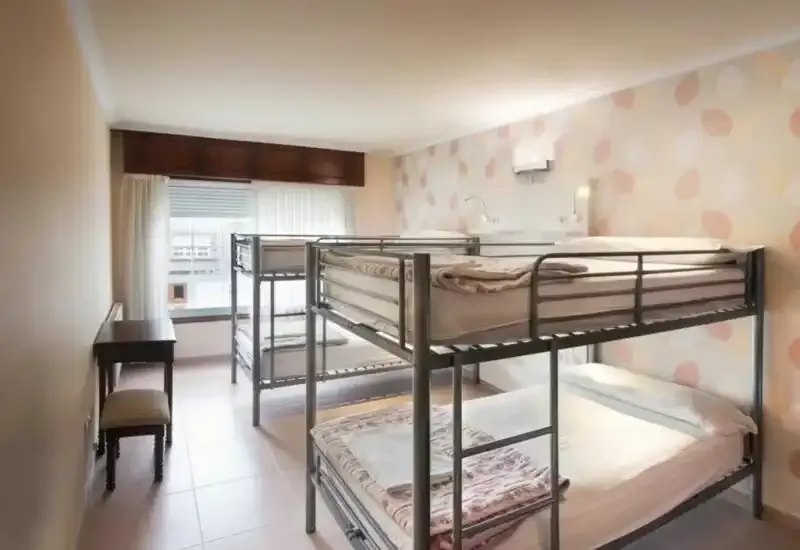
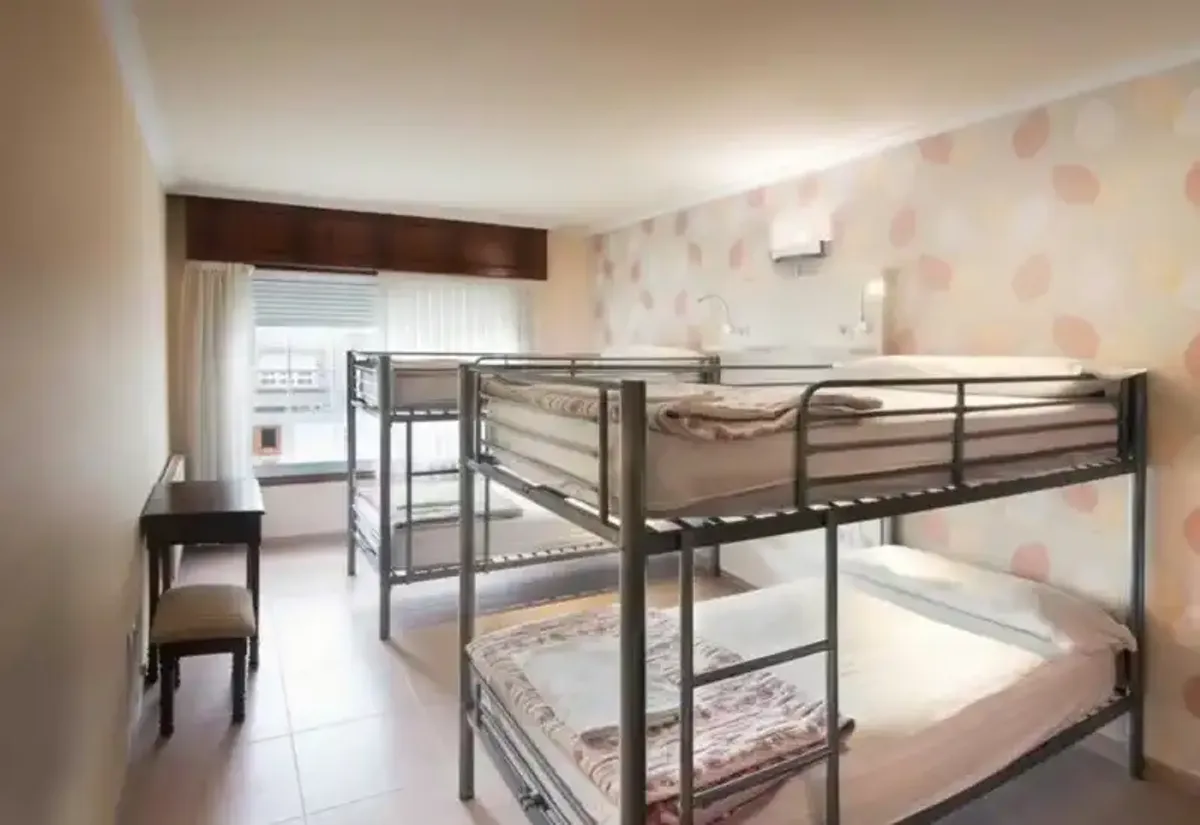
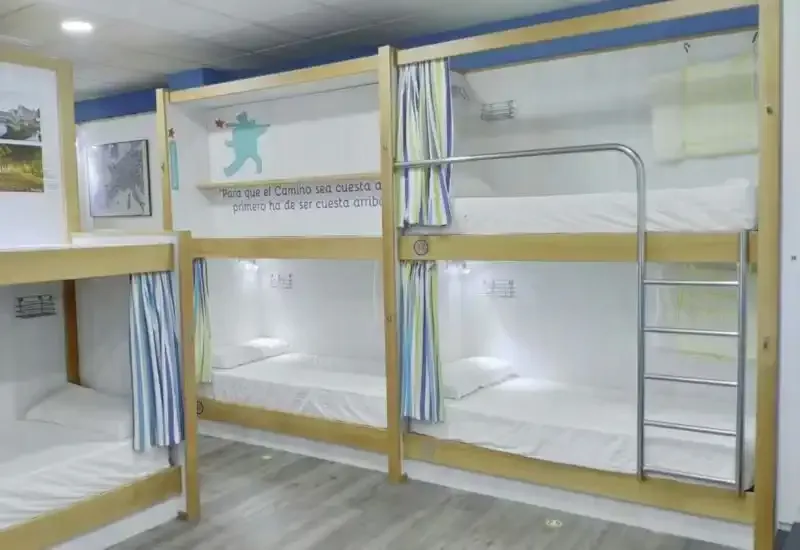
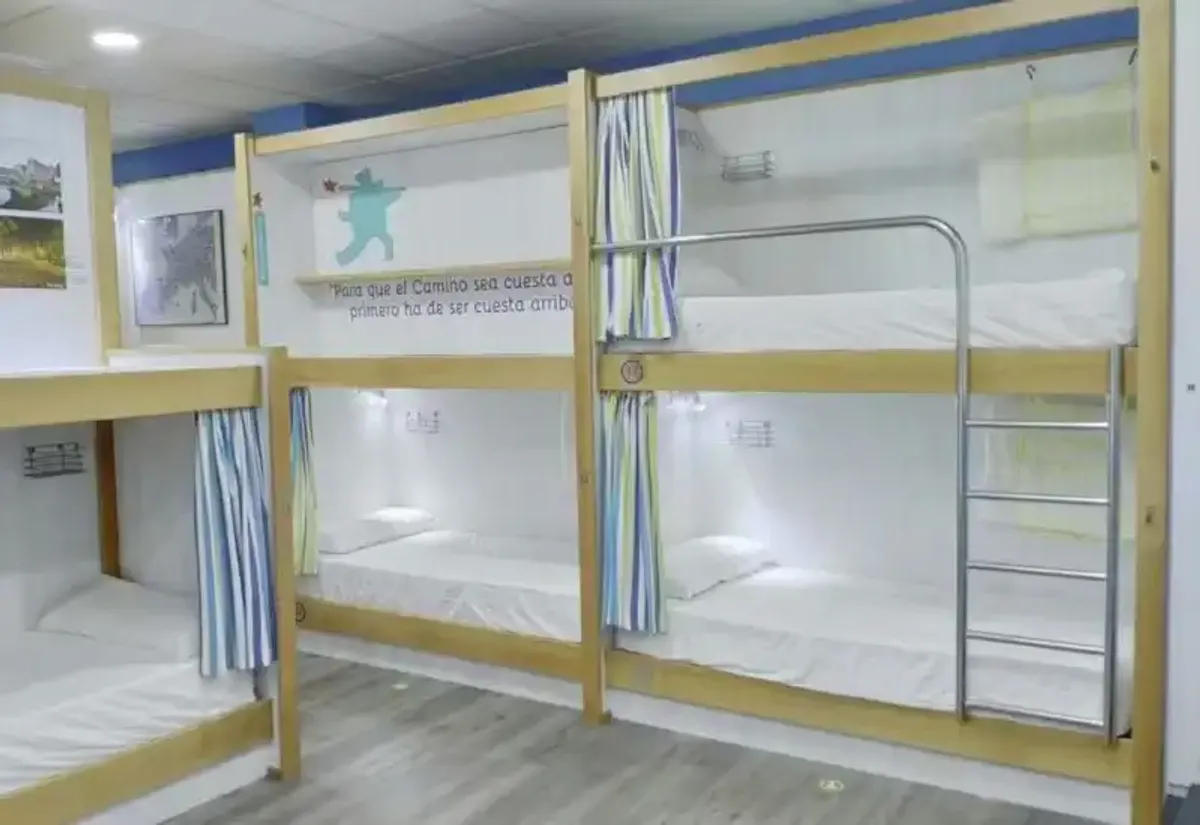
Hostels, guesthouses and rural houses
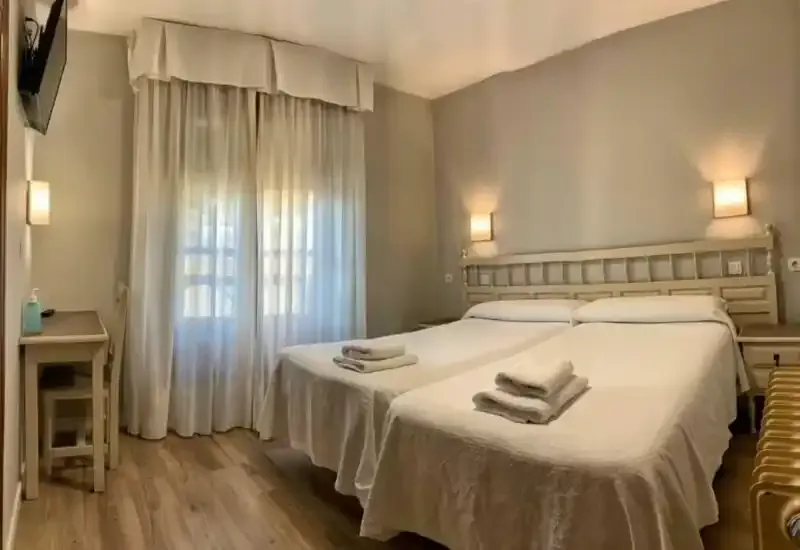
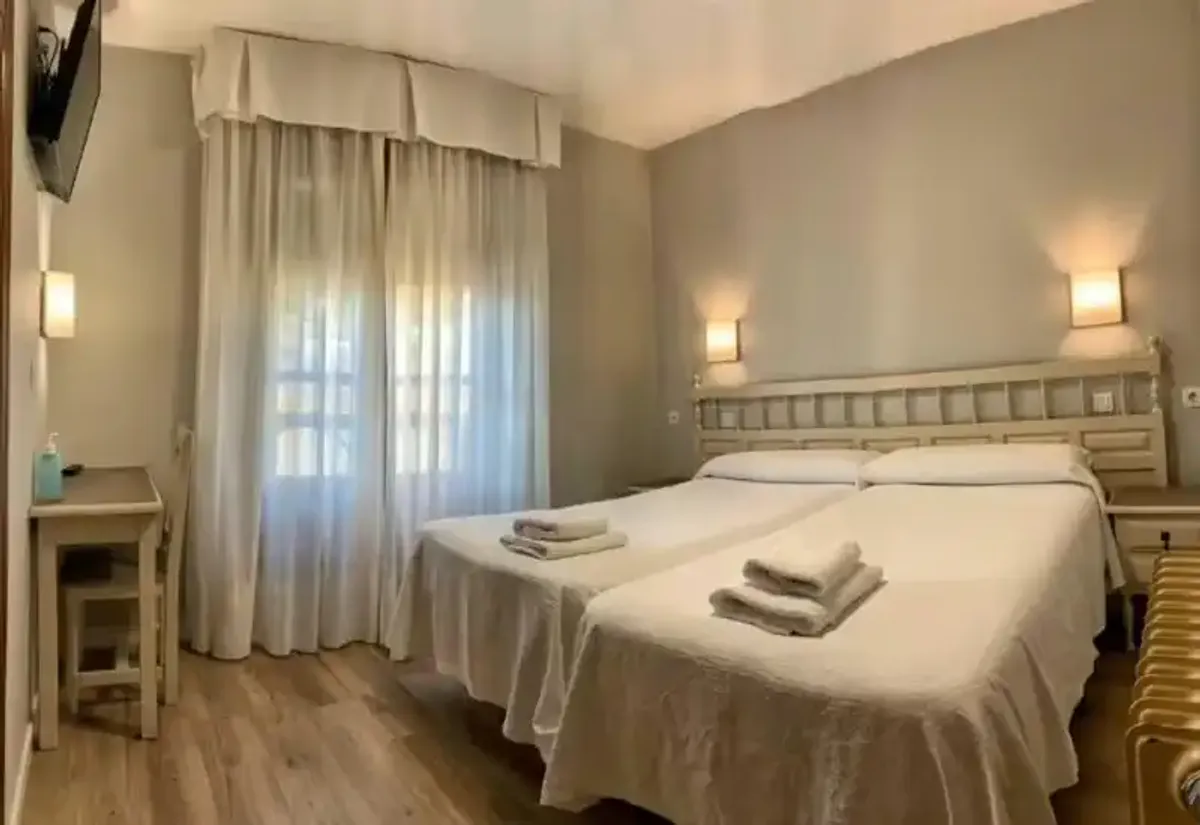
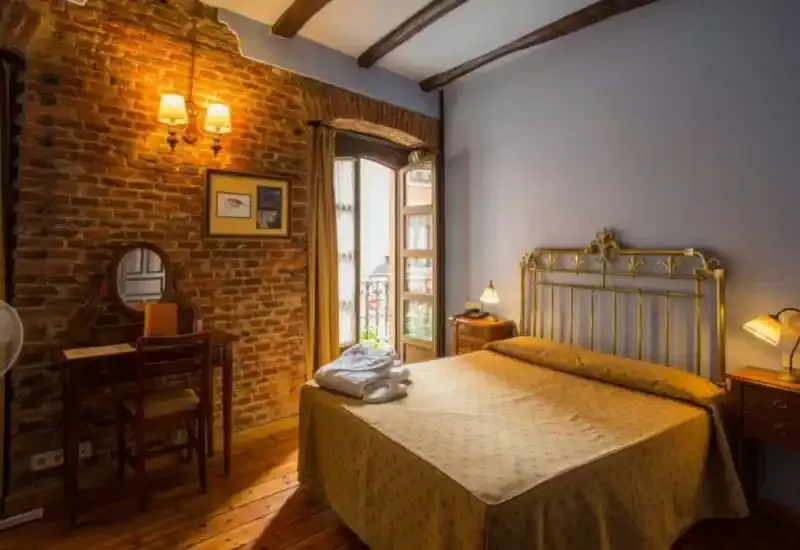
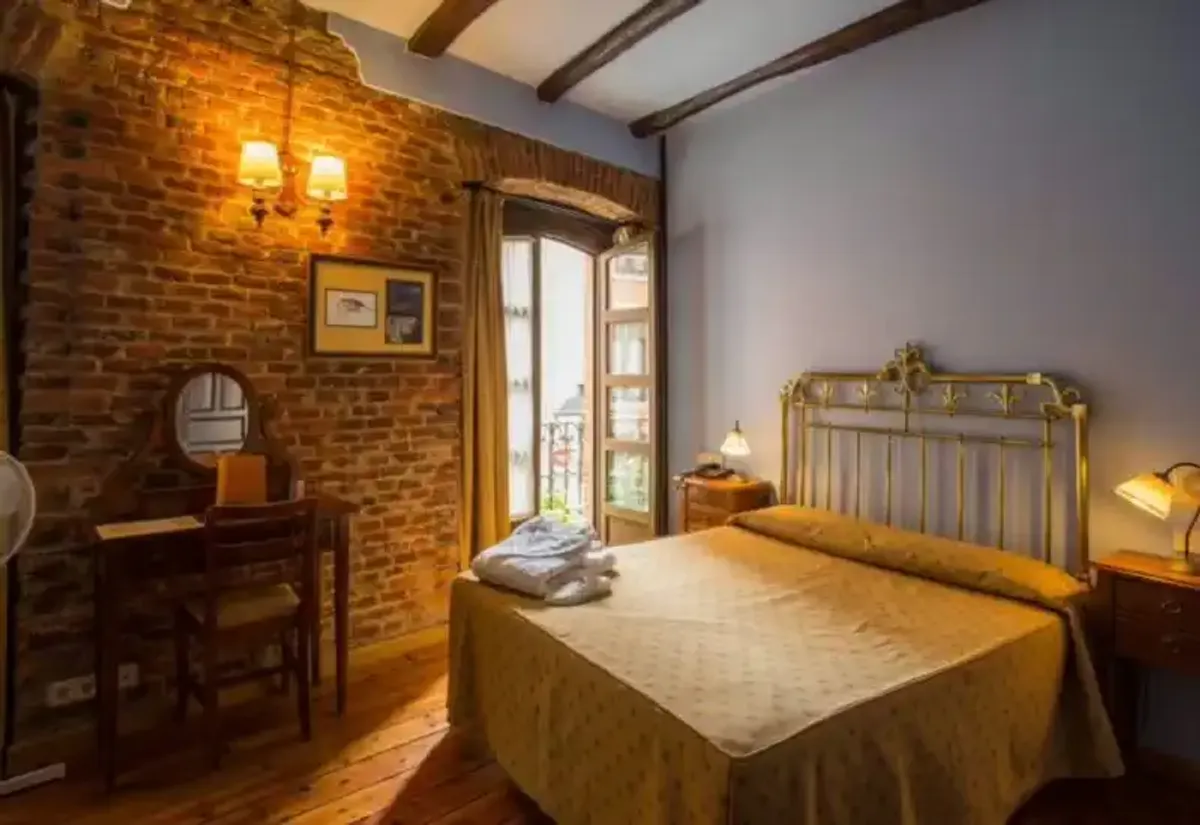
The most popular option for pilgrims seeking privacy and tranquility without a considerable investment. The hostels, guesthouses, and rural cottages are family-operated establishments featuring a limited number of rooms and shared spaces where travelers can engage in meaningful exchanges with fellow adventurers.
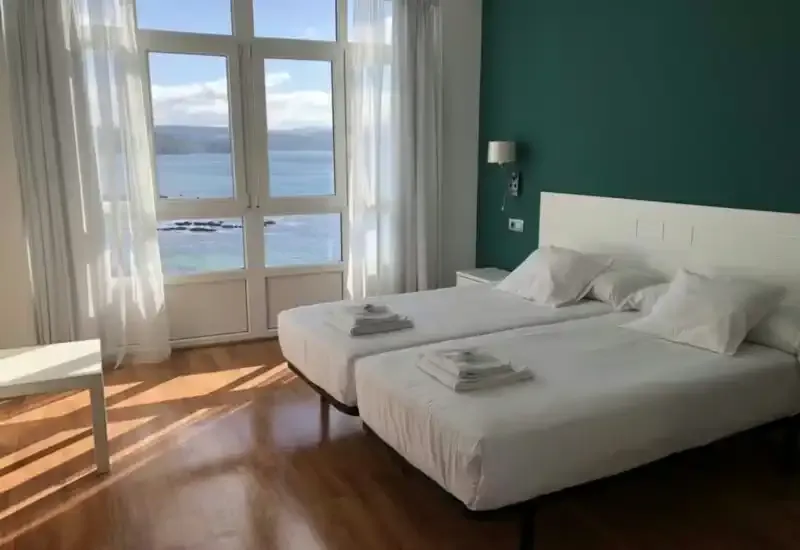
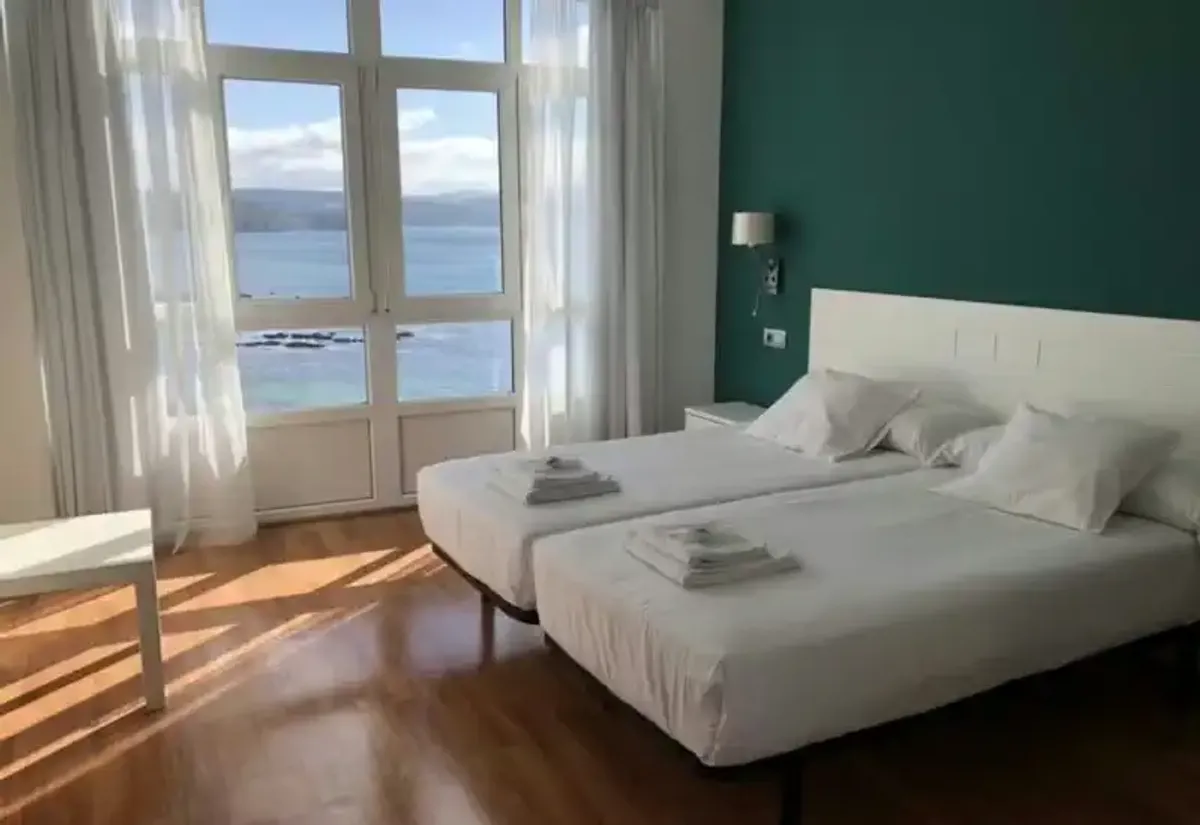
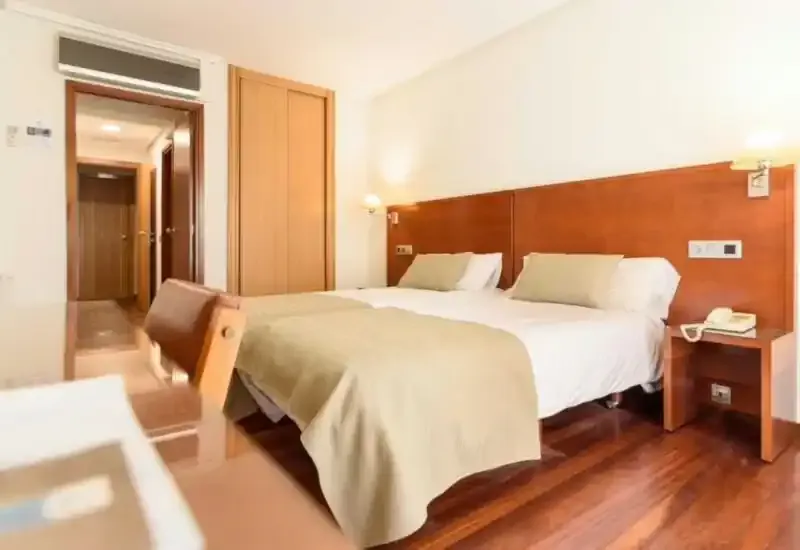
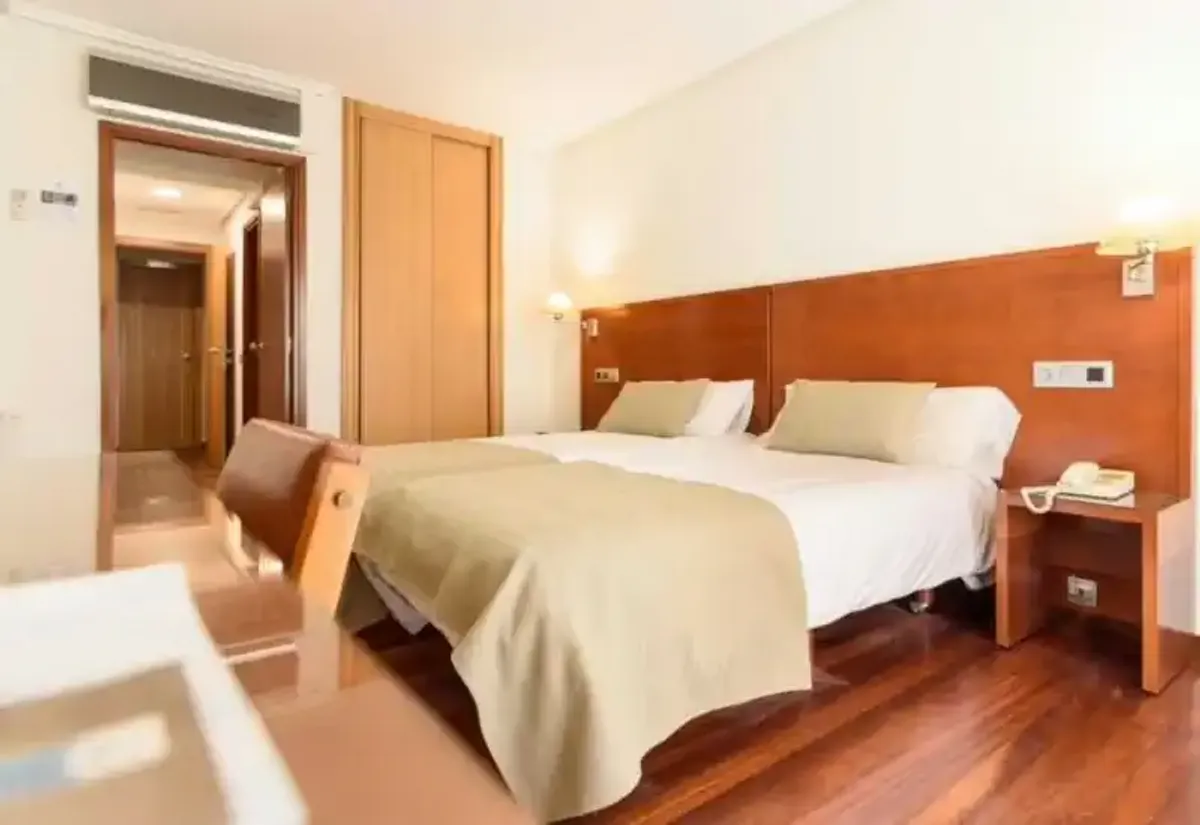
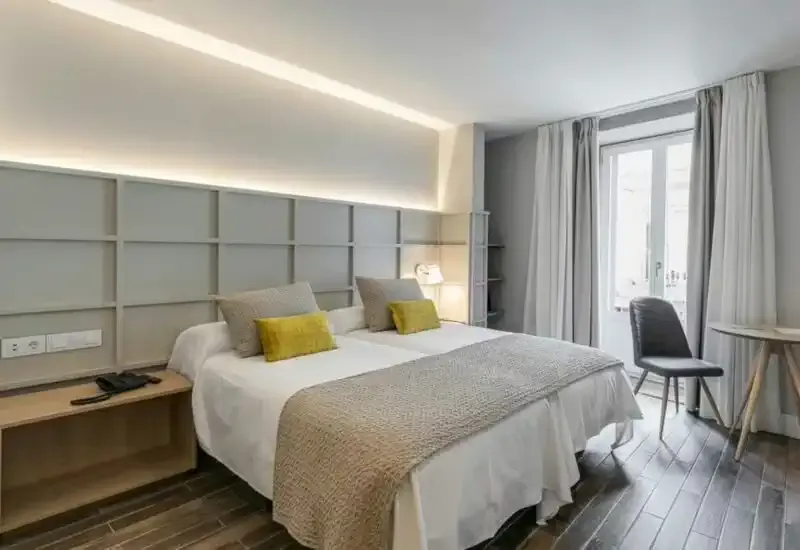
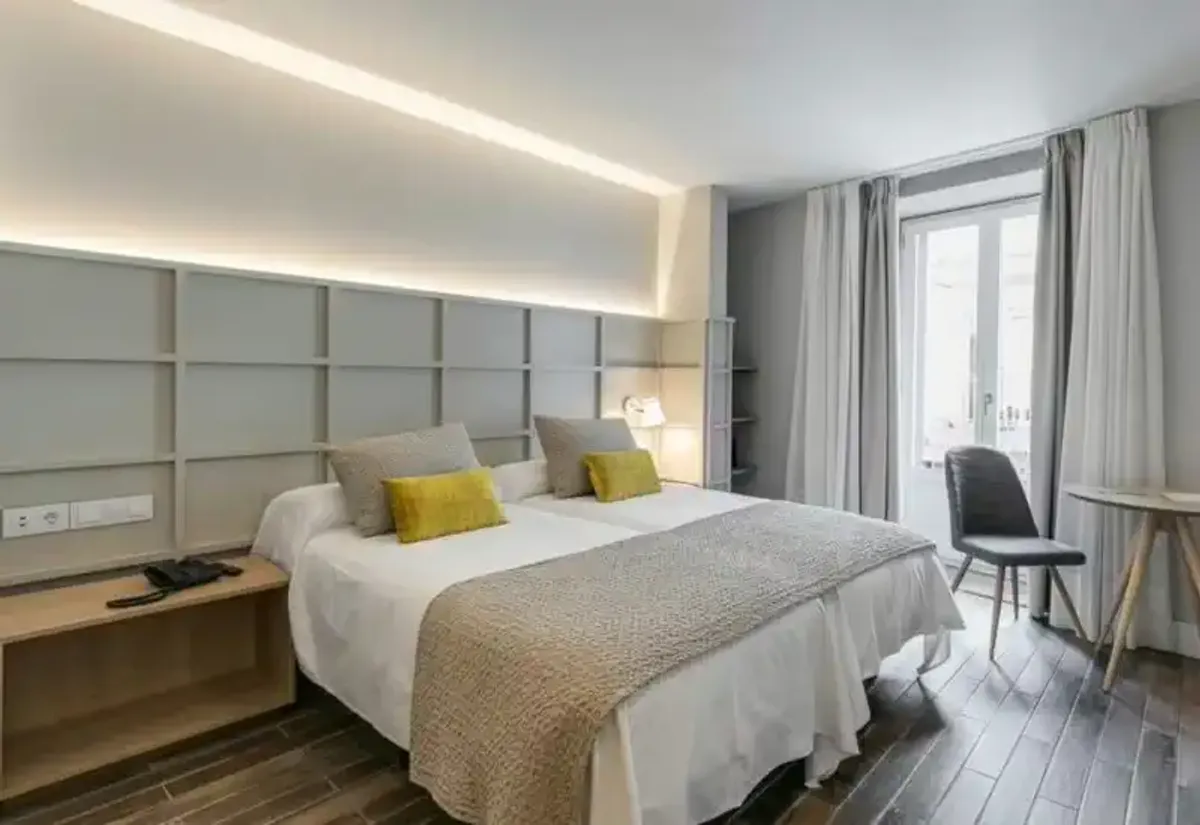
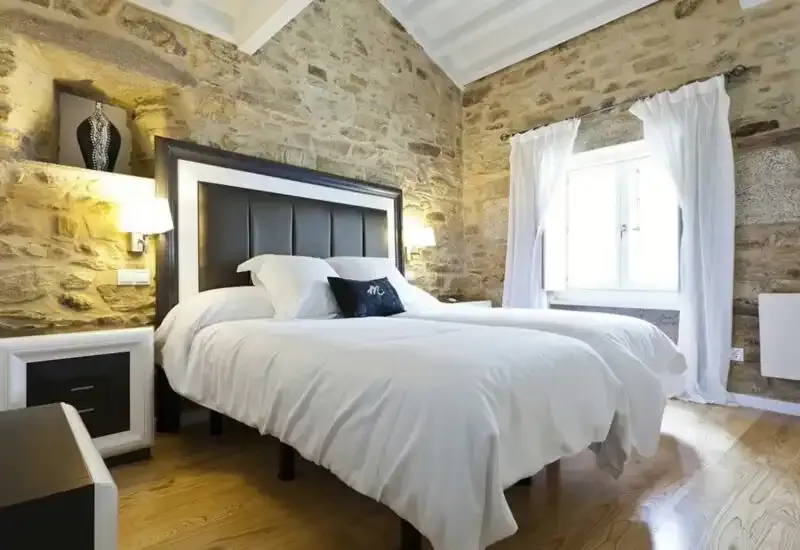
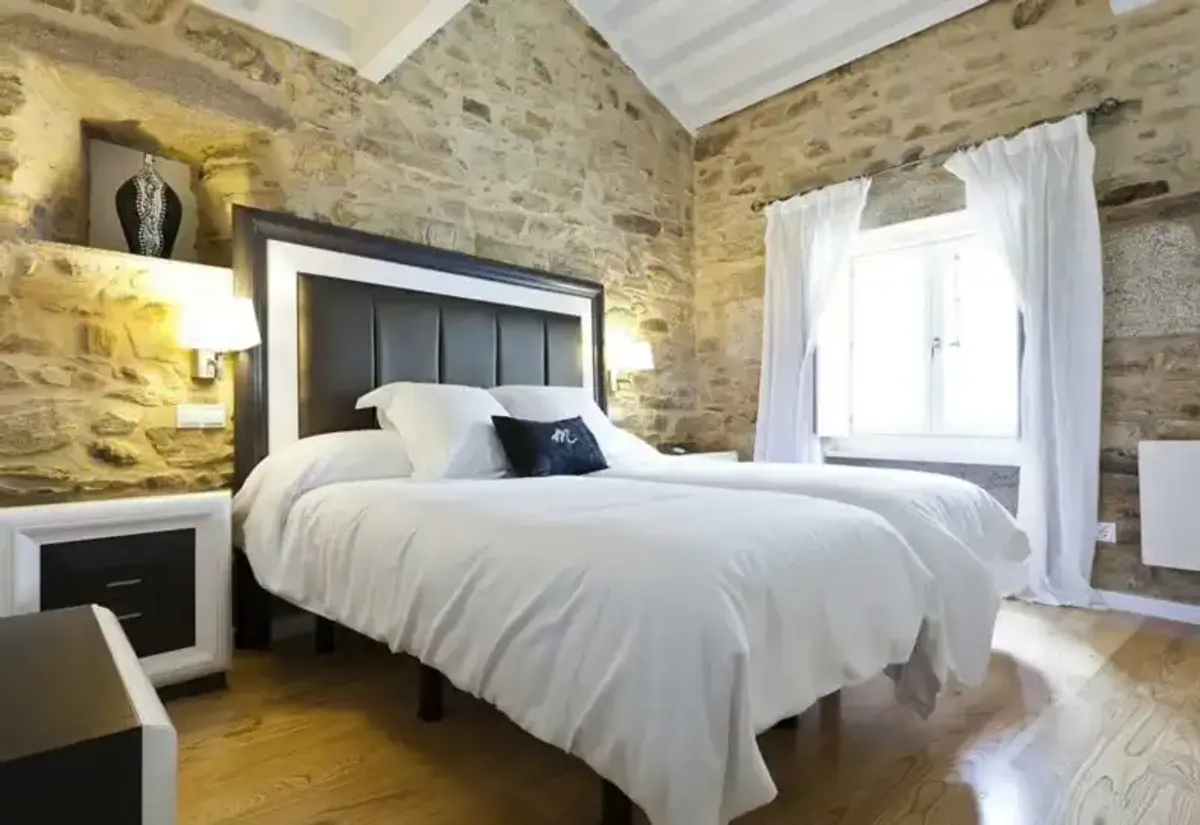
The rooms come with private bathrooms, offering simplicity, comfort, and a cozy atmosphere without extravagant luxuries. You’ll have the option to select from double, twin, triple, or even quadruple rooms, catering to families traveling together.
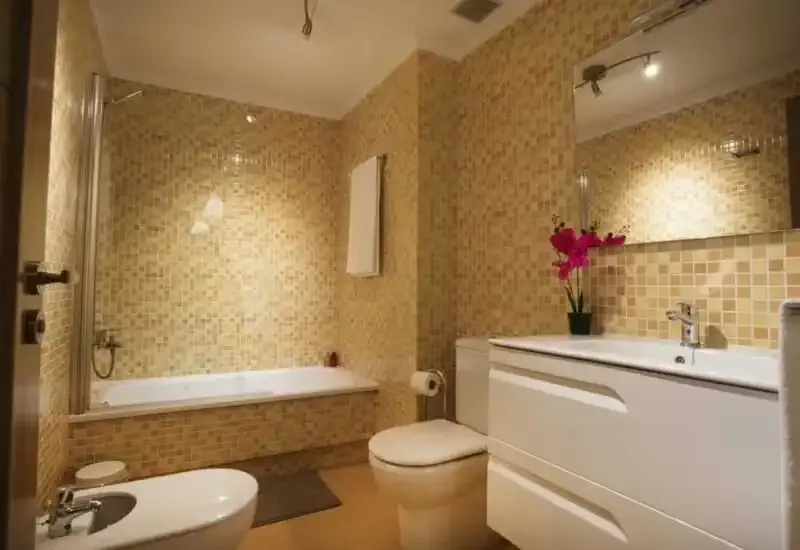
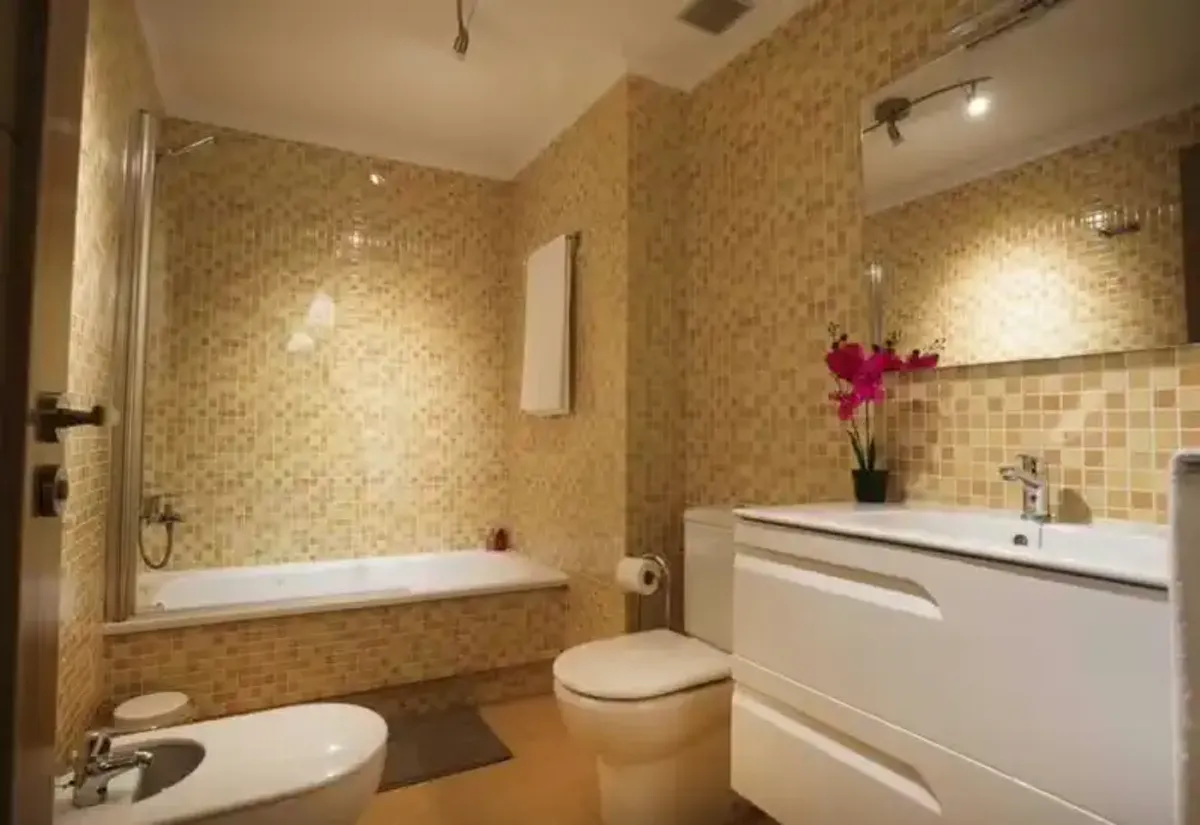
Hotels, pazos and superior category lodgings
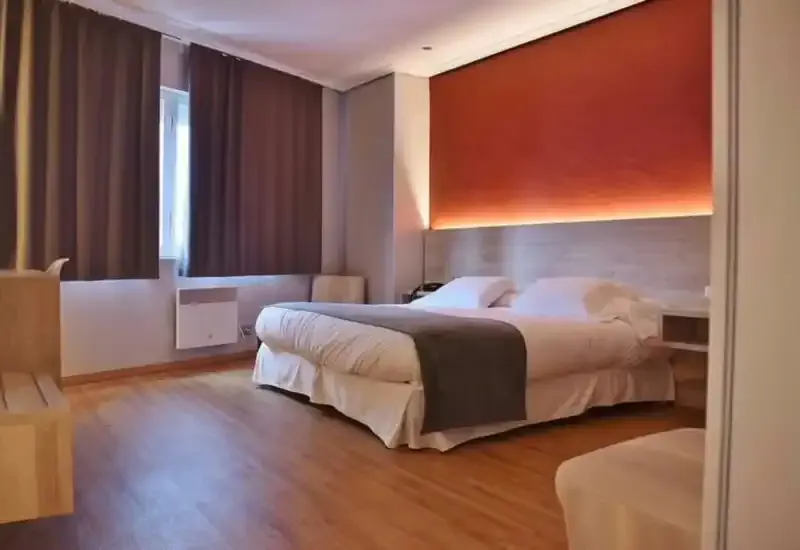
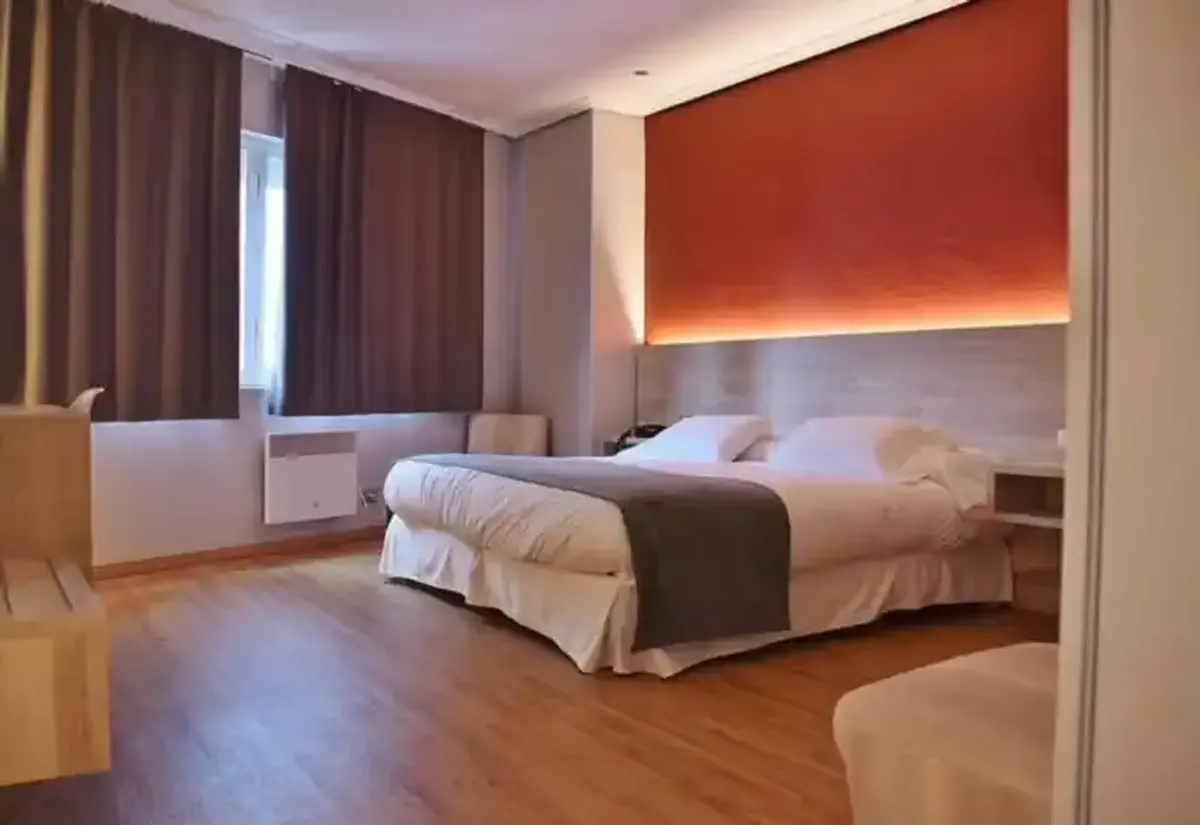
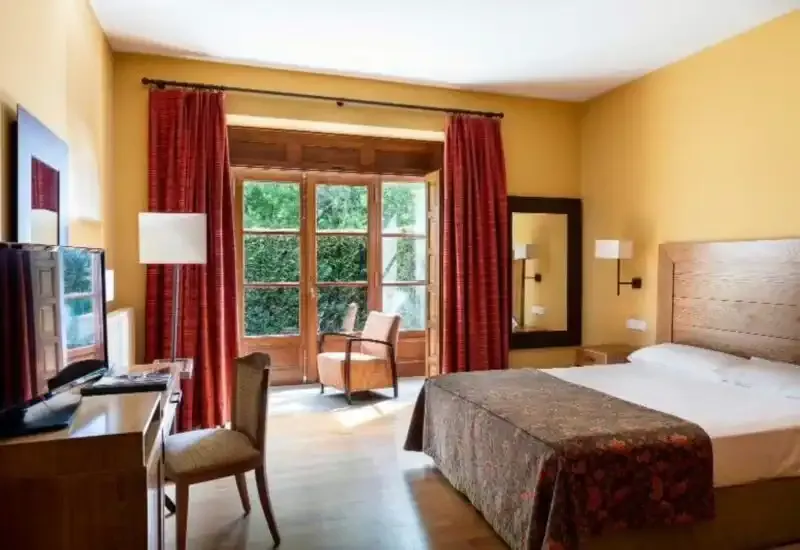
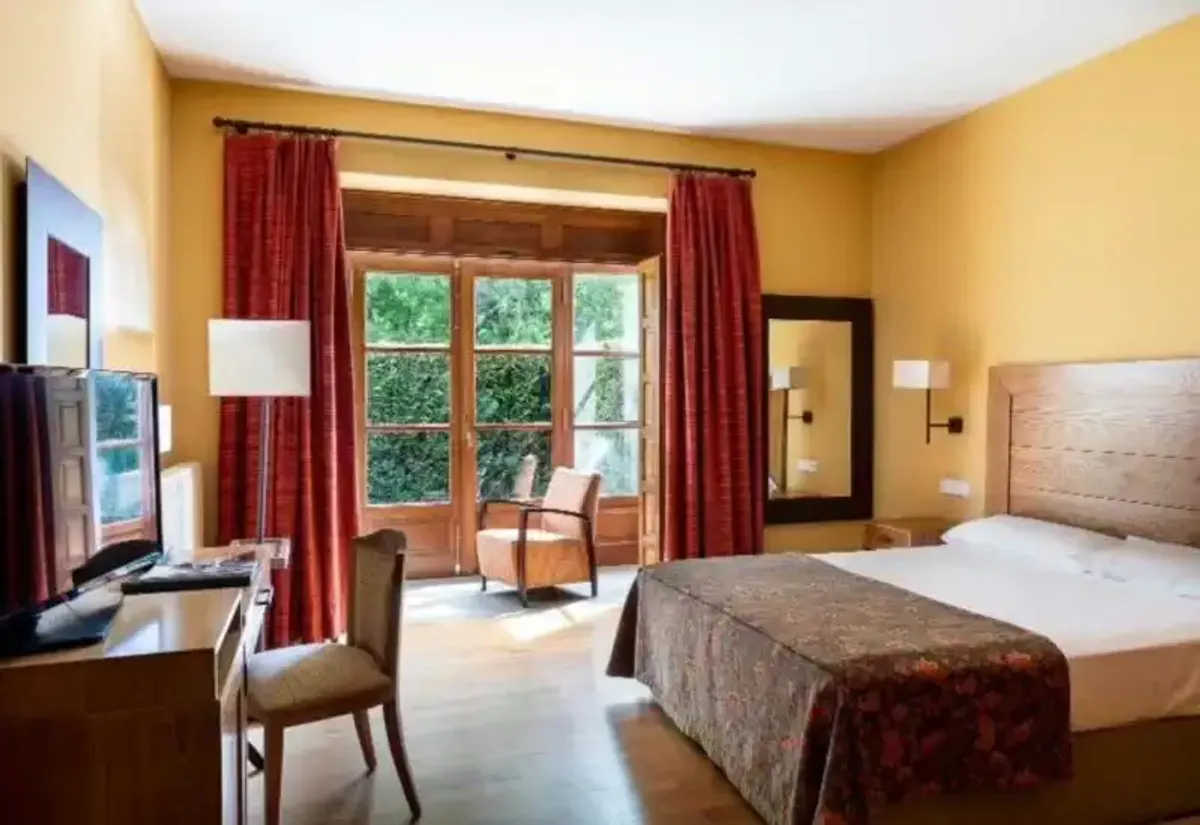
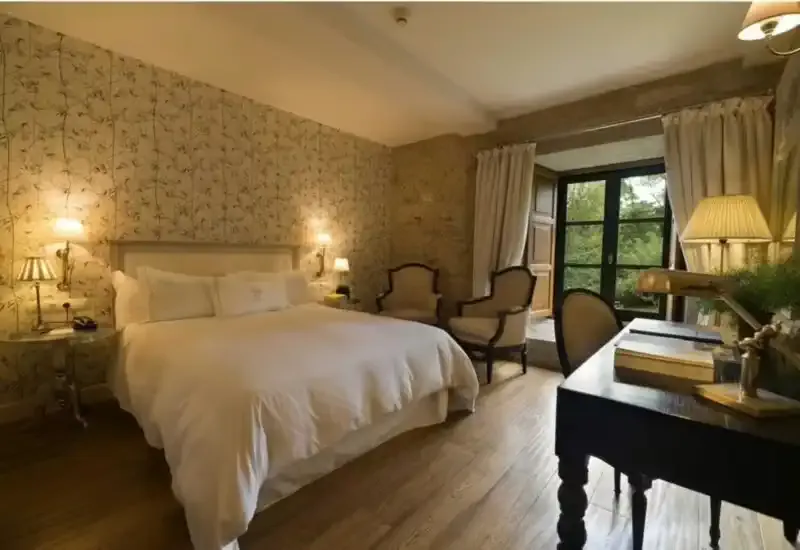
Are you looking for a plus in quality and want to guarantee maximum rest and comfort after each stage? We provide access to top-tier hotels and manor houses along the Camino de Santiago. These establishments offer prime facilities designed for relaxation, complemented by an extensive array of amenities such as elevators, restaurants, room service, transfers, and more.
All rooms feature private bathrooms, and you have the flexibility to select from single, double, twin, double, or triple accommodations. Additionally, our establishments boast gardens, terraces, spacious communal areas, and in many cases, swimming pools, ensuring a truly enjoyable and rejuvenating stay.
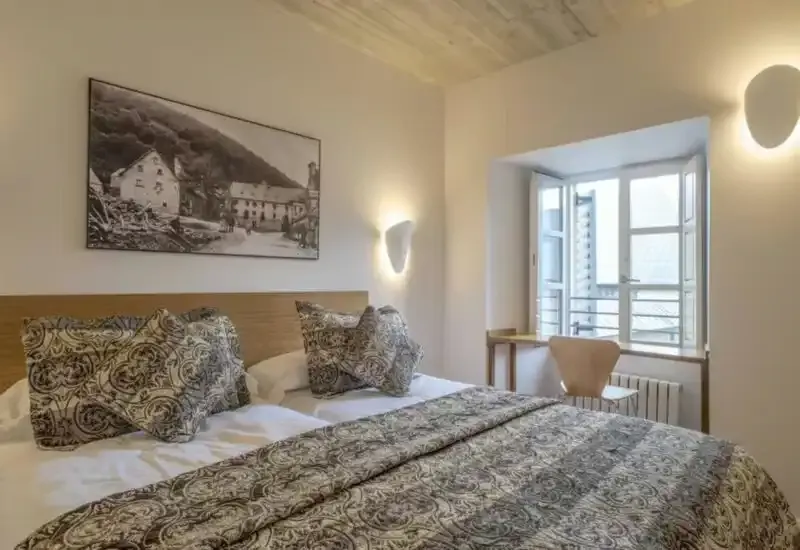
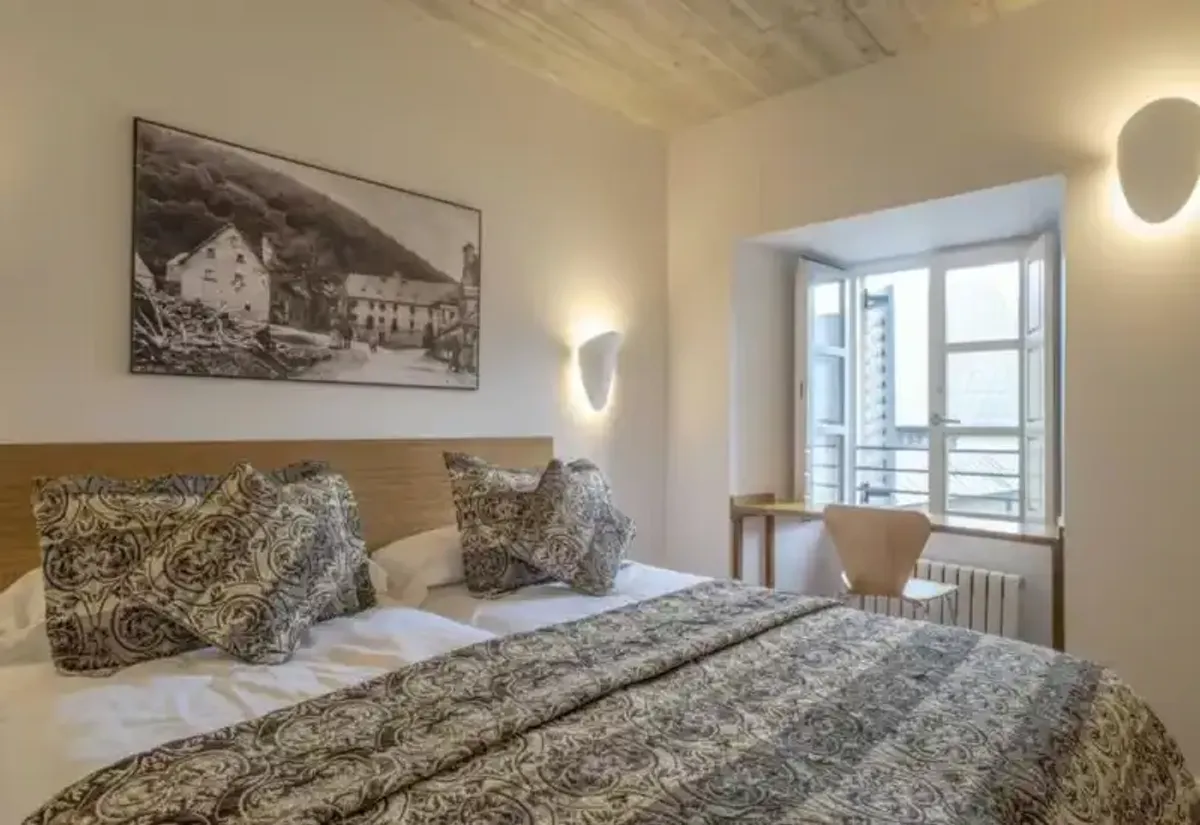


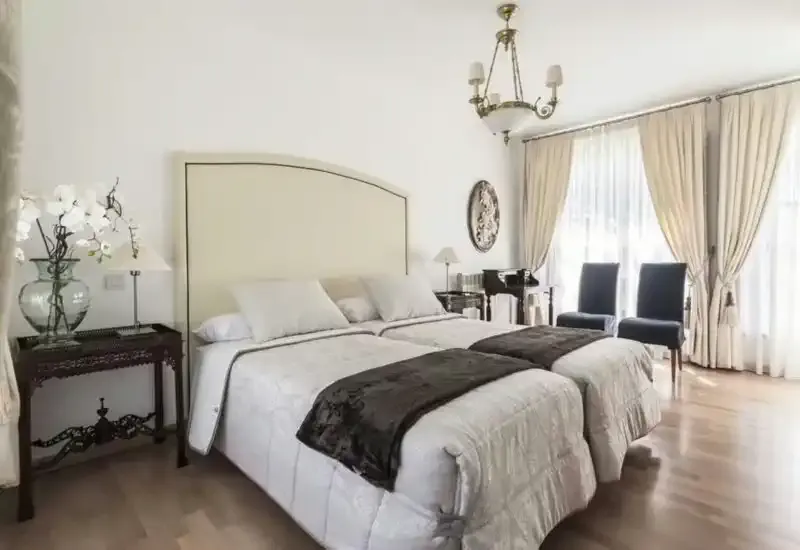
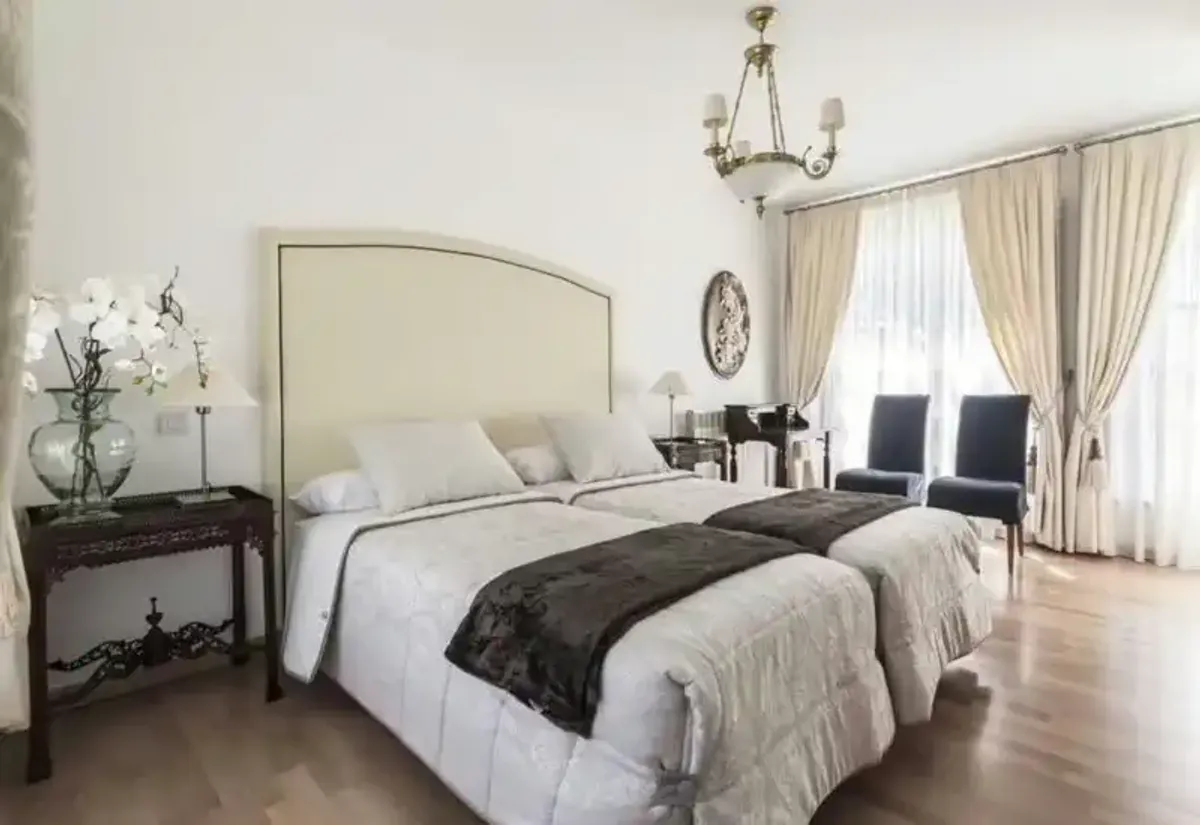
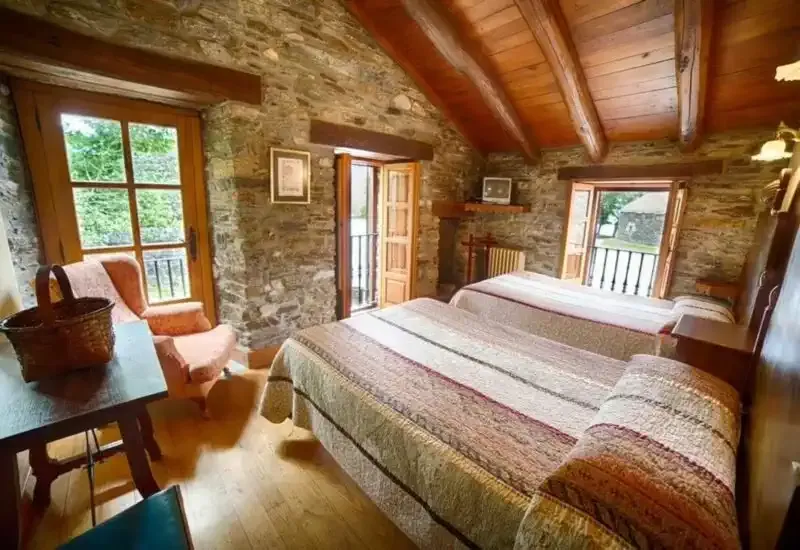
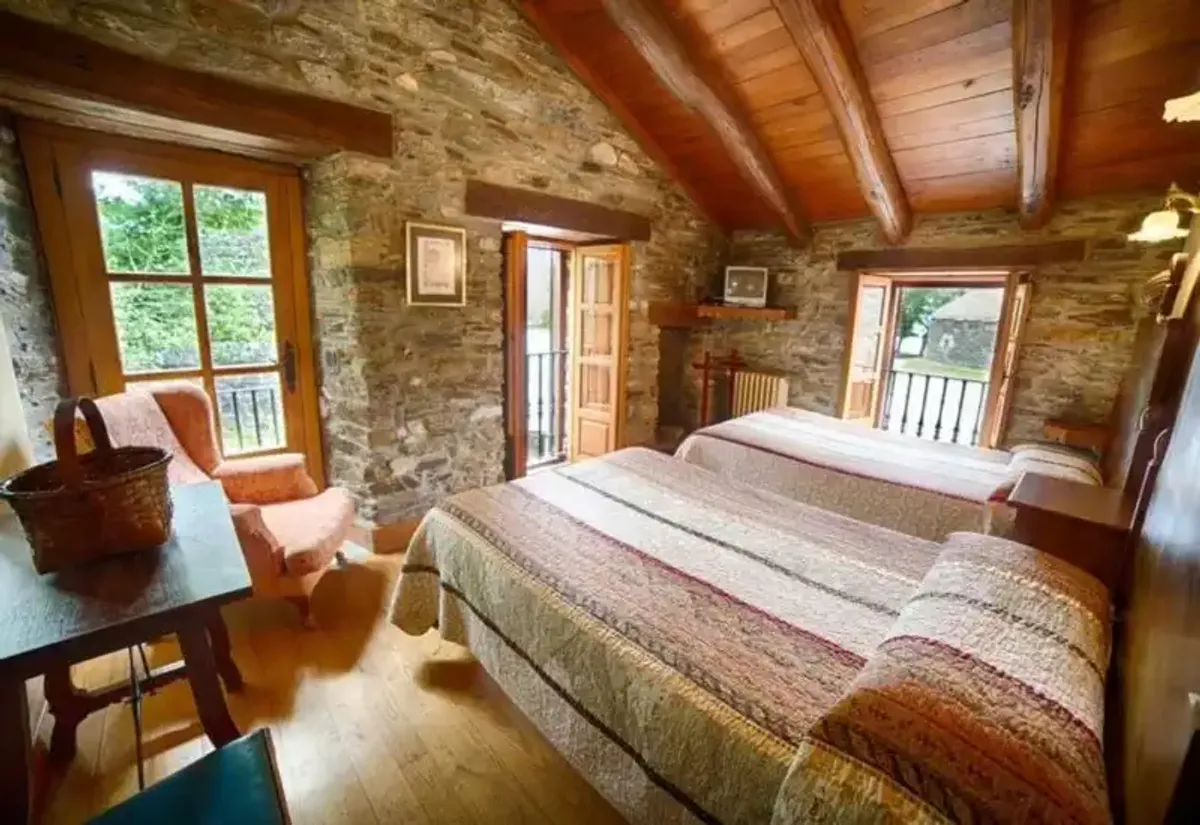
Luxury accommodations
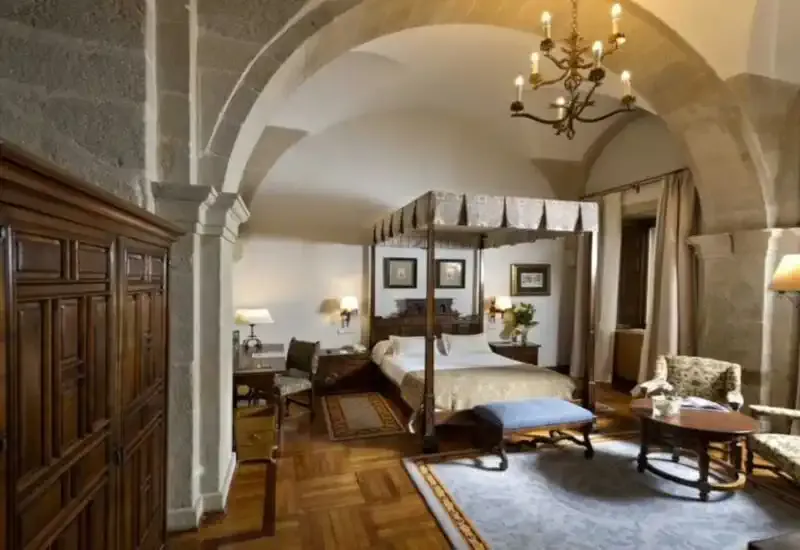
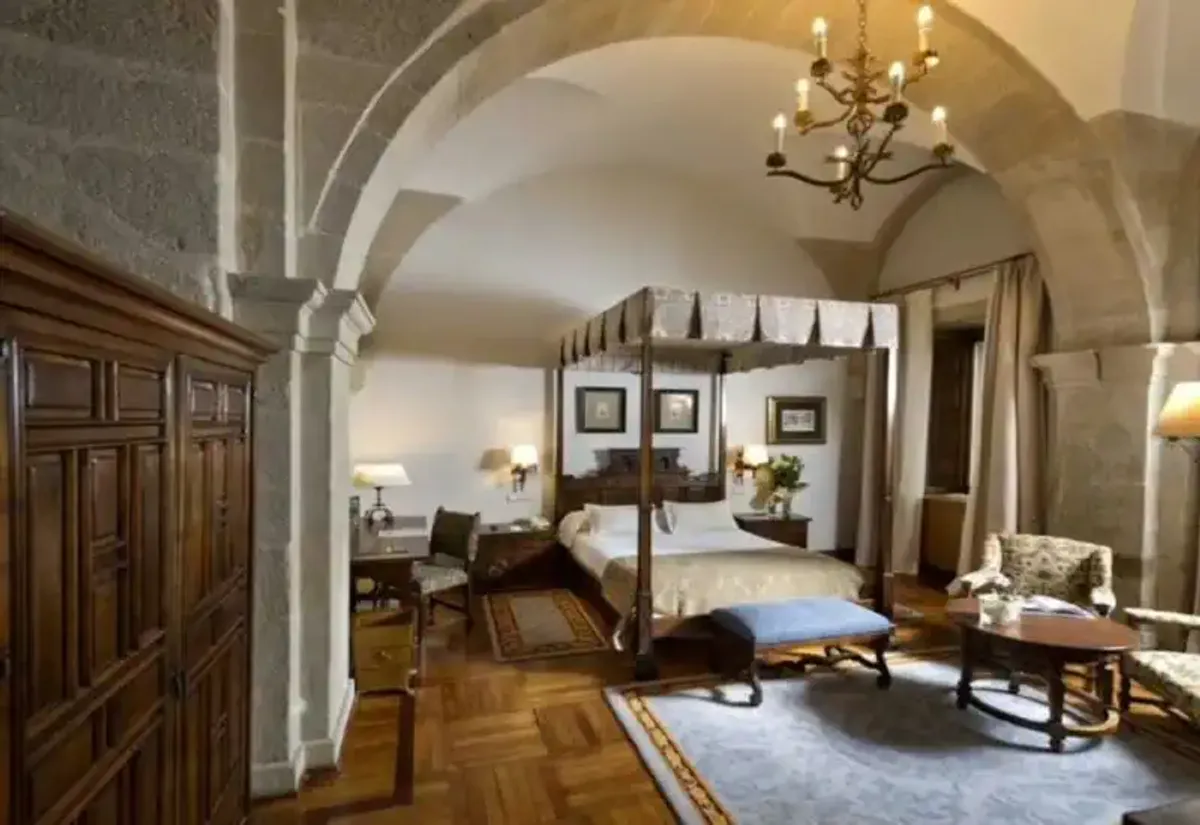
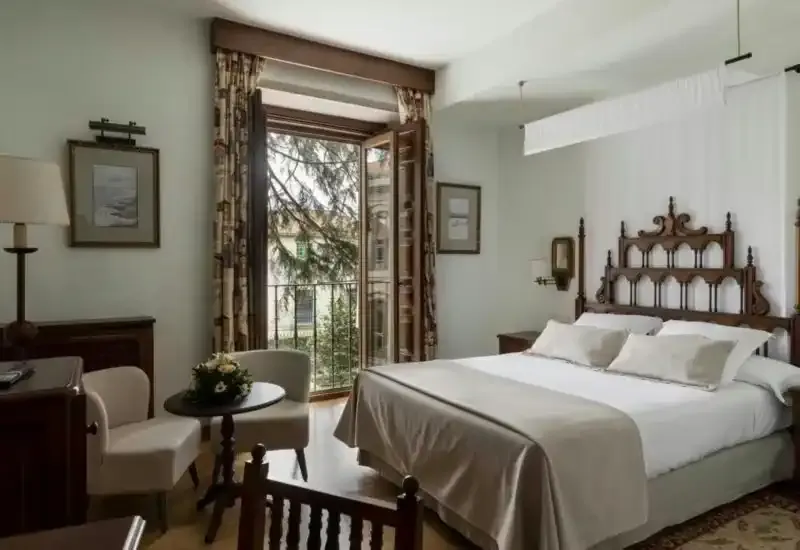
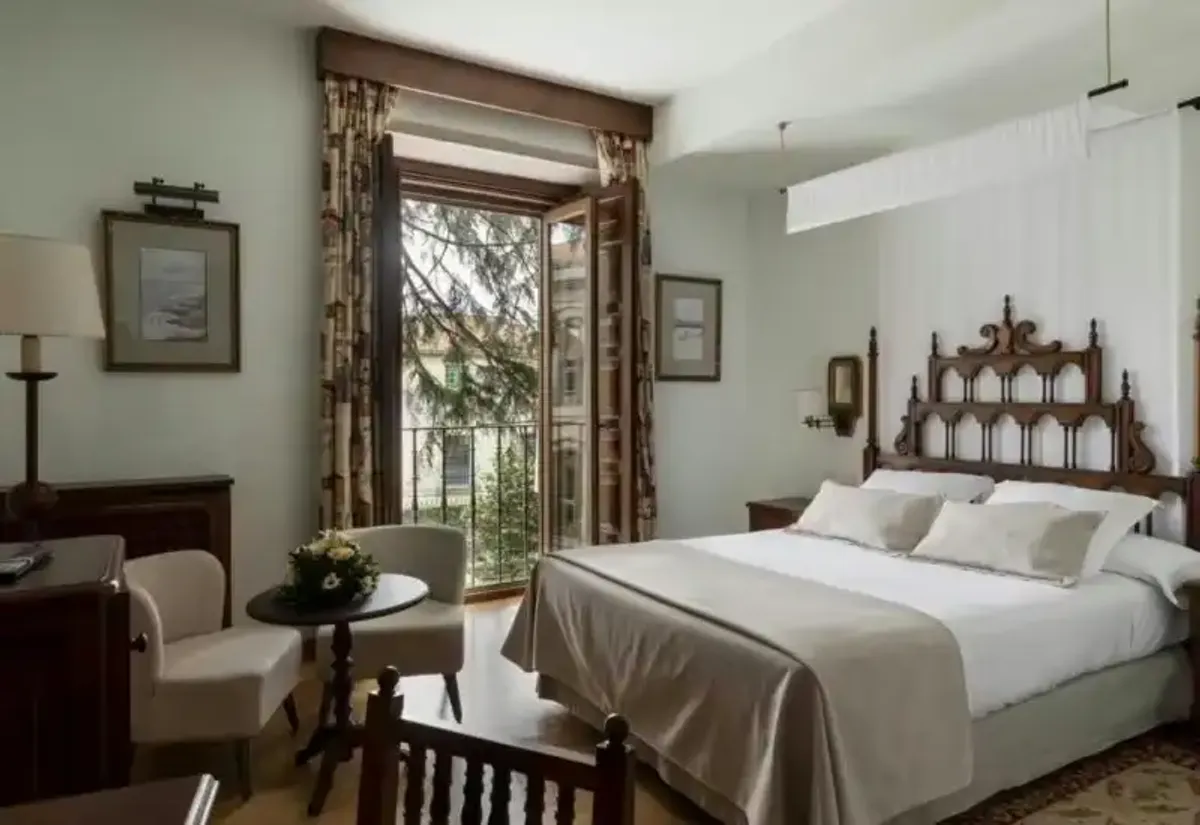
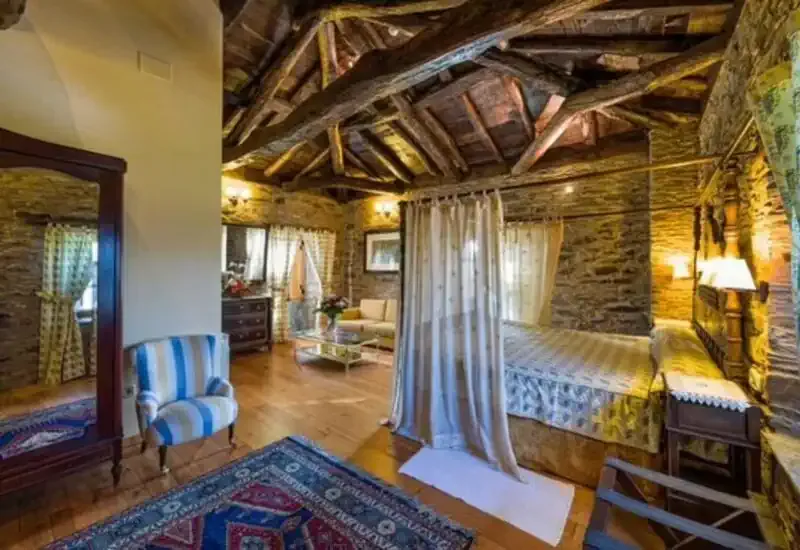
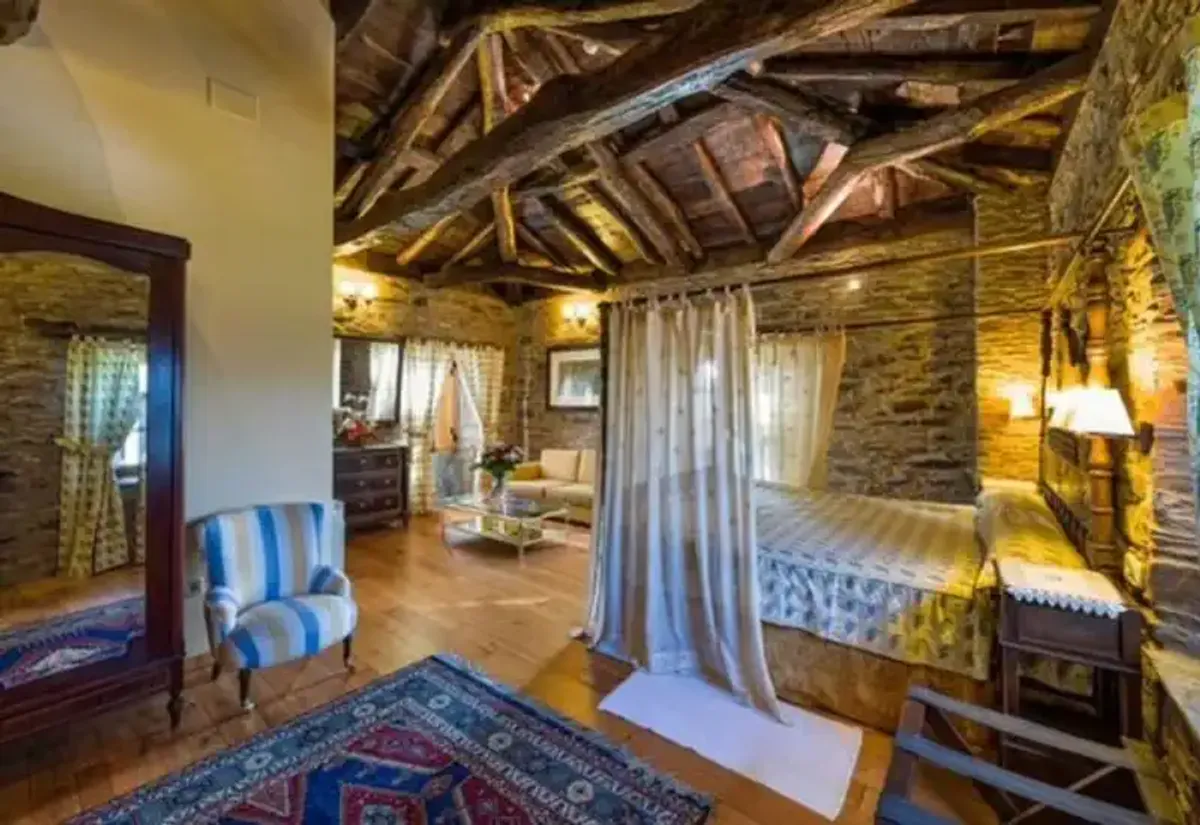
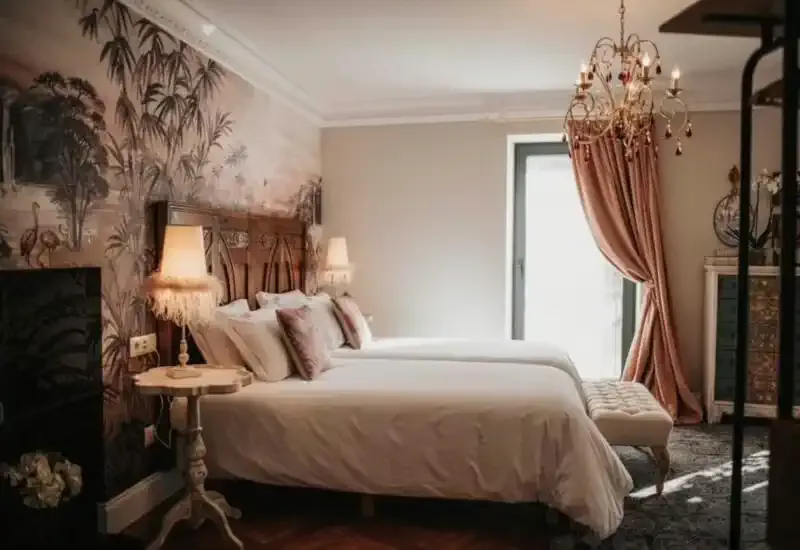
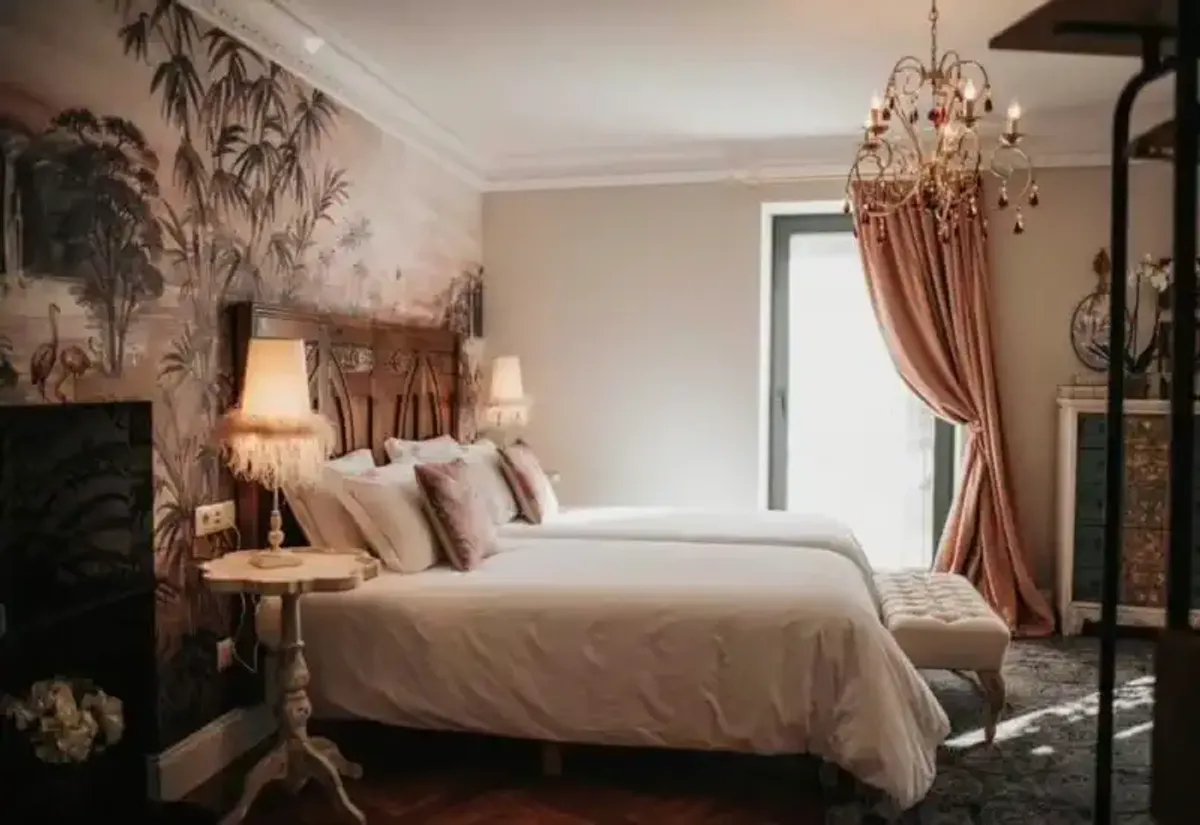
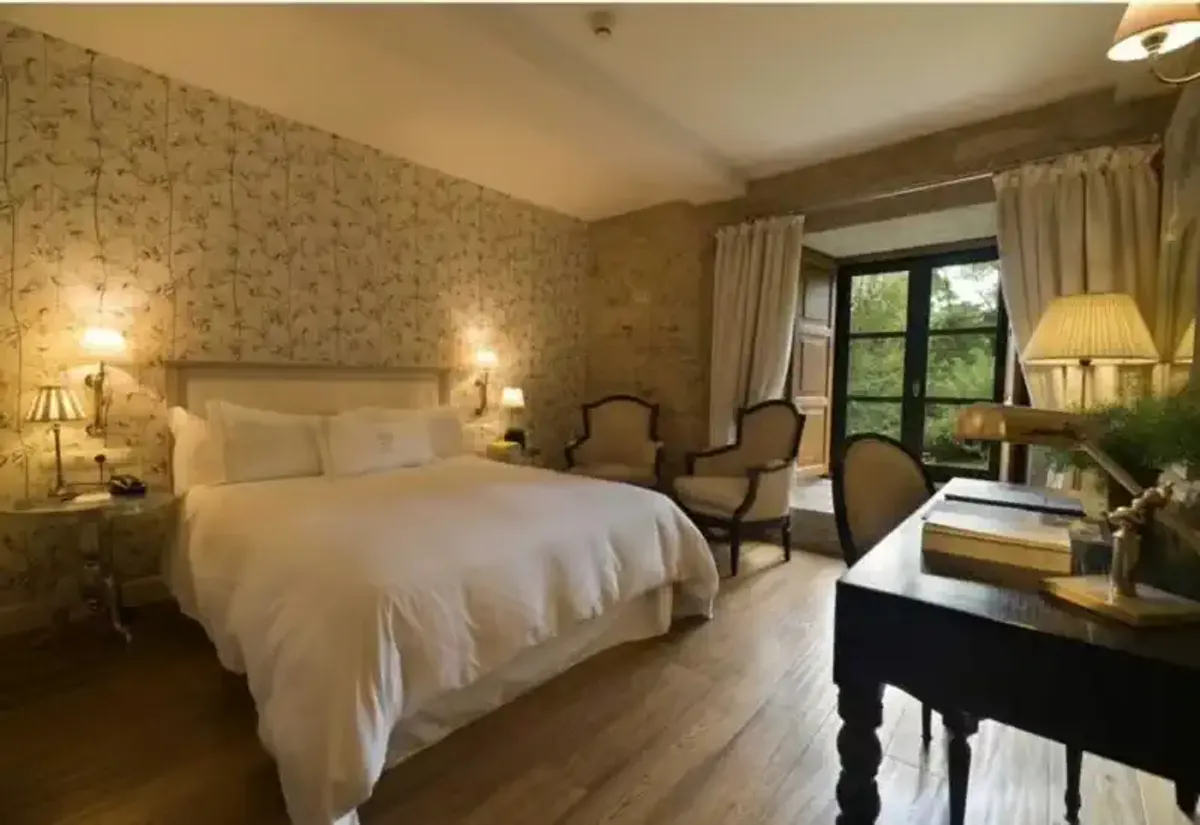
Upscale five-star hotels, grand Galician pazos, and charming historic houses stand out as the most notable landmarks in the various towns along the Camino de Santiago. These luxurious establishments provide generously sized rooms for a high-quality stay. They serve as the ideal accommodation choice if you’re marking a special occasion like an anniversary, honeymoon, or any celebration that you and your companion will cherish in memory for years to come.
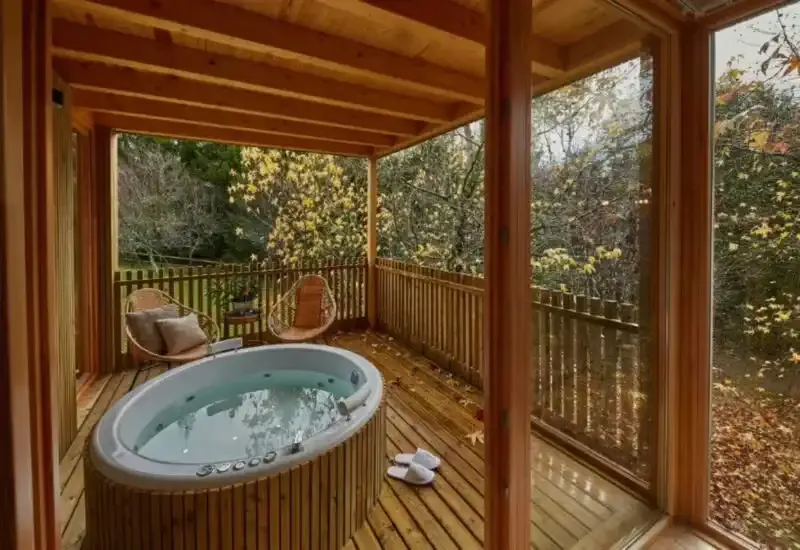
Spas
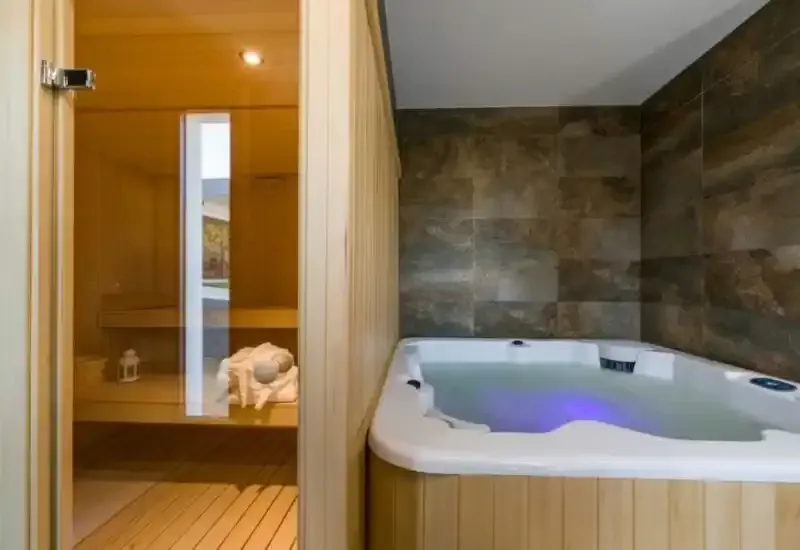
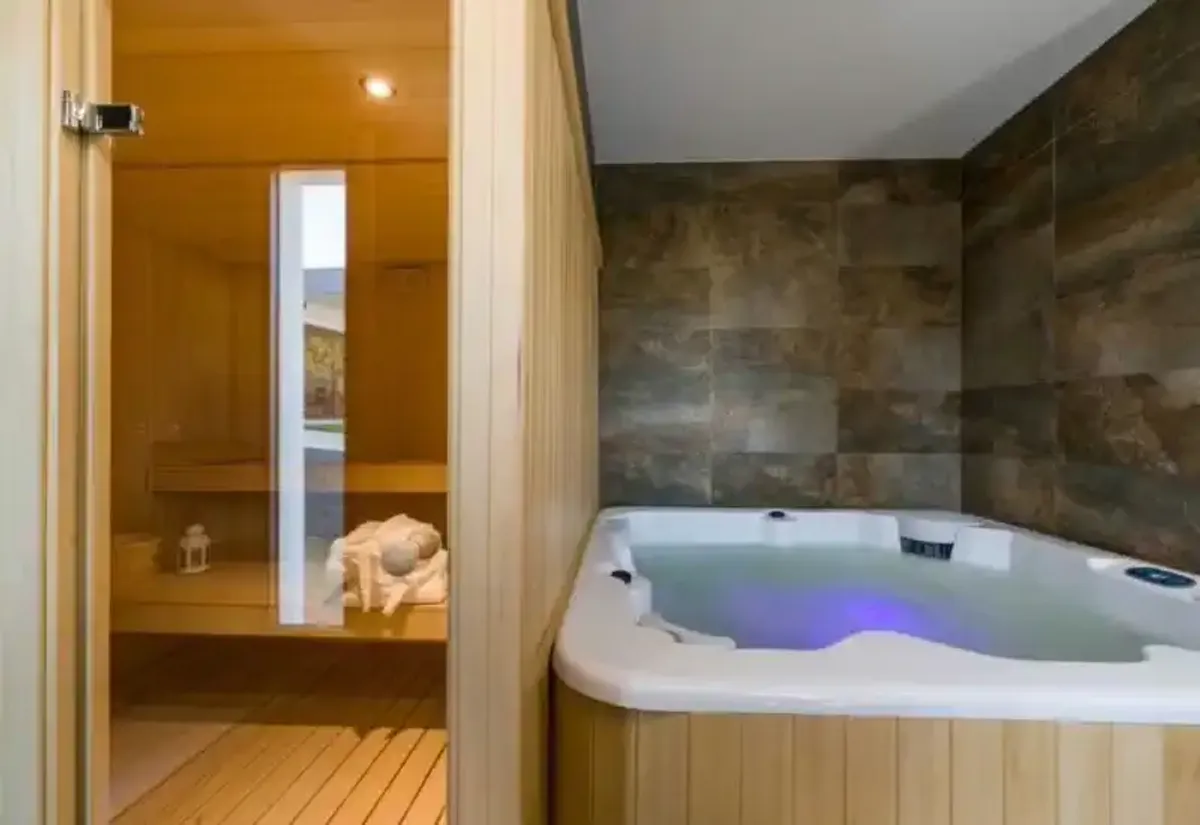
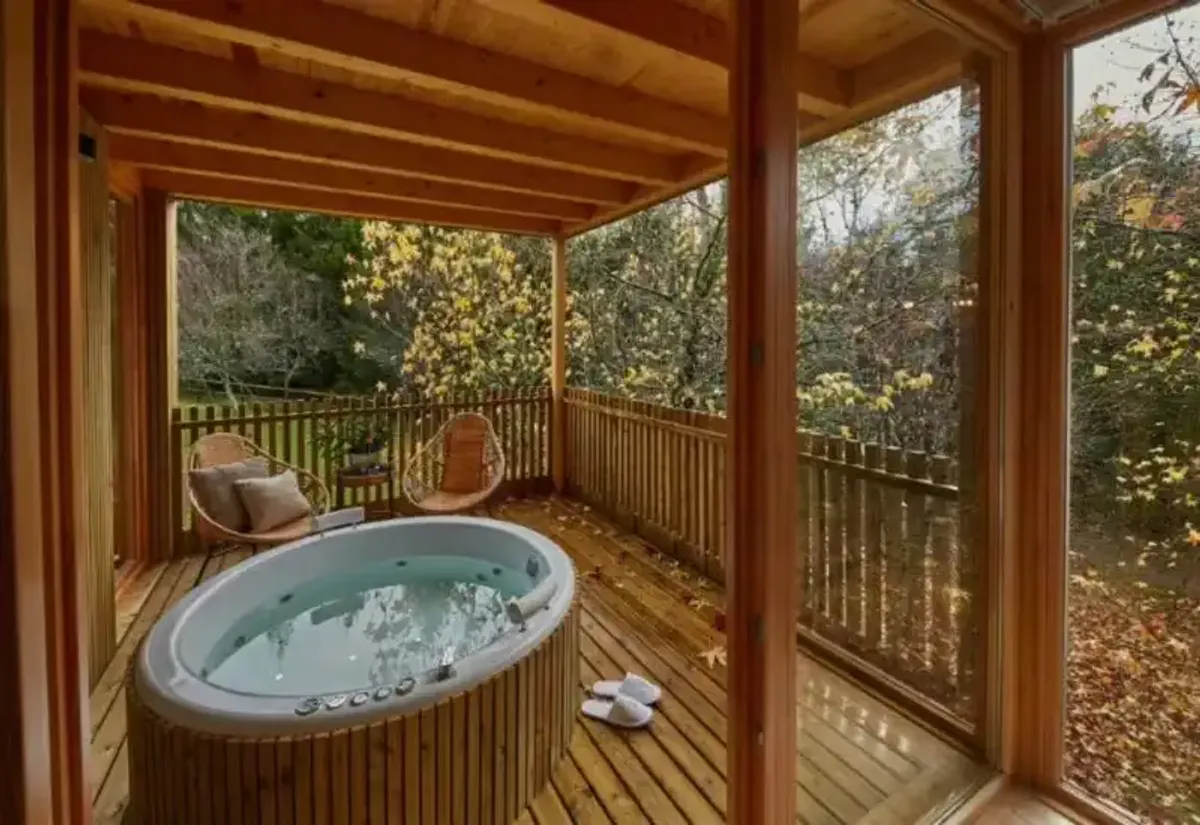
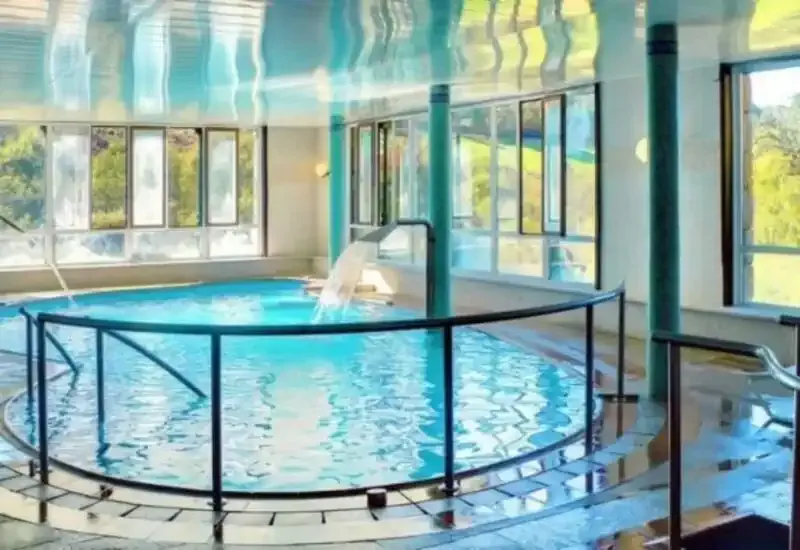
The perfect option to pamper your body after each stage. You can feel the relief of thermal waters, relax with a great massage, eliminate toxins in the sauna, calm your mind in a comfortable bubble bath and try great therapies that will make you feel better inside and out.
Why trust us to manage your accommodation booking on the Camino de Santiago?
We are on the Camino: All accommodations have been approved by our team, you will have the peace of mind of having the best accommodations on the route without worries or last minute surprises.
Central accommodation: We are also pilgrims, and that is why we guarantee you the most central accommodation on each route, without the need to travel extra miles or hire taxis to get to your destination.
Human and familiar treatment: All these years of experience have allowed us to get to know the hoteliers and caterers we work with, forging a relationship of trust that allows us to solve any problem in seconds.
Frequently Asked Questions About Accommodation on the Camino de Santiago
-
Where can I pick up and drop off my luggage on the Camino de Santiago?
Generally, luggage is delivered where it is picked up (and vice versa), which is usually at the reception of the accommodation. However, always confirm with the accommodation where to leave your luggage. -
What advantages does a travel agency offer compared to organizing the Camino de Santiago on your own?
Hiring a travel agency for the Camino de Santiago offers several advantages:- Professional planning of routes, accommodations, and transportation.
- 24-hour assistance, ensuring support in case of emergencies or unexpected events.
- Luggage transport, making walks more comfortable.
- Safety and comfort, with expert guides and optimized routes.
- Travel insurance included in case of any incidents.
- Pilgrims's Credential, so you don't have to search for it yourself.
-
How to Choose the Best Agency for the Camino de Santiago
To choose the best agency for the Camino de Santiago, make sure they offer:- Experience and expertise in organizing routes.
- Personalized packages that fit your needs and budget.
- 24-hour assistance during the pilgrimage.
- Comprehensive services, such as luggage transport, accommodation, and expert guides.
-
What is the average cost of organizing the Camino de Santiago?
The cost of doing the Camino de Santiago depends on several factors:- Trip duration: If you choose a long route with many stages, you'll need more nights; if, on the other hand, it’s a short trip, for example, one week, you will need fewer nights.
- Type of accommodation: On the Camino de Santiago, you will find hostels, the most affordable accommodation option, as well as more expensive (but more comfortable and private) options such as guesthouses, pensions, hotels, or rural houses.
- Included services: Depending on whether you request extra services or not, the trip may be more expensive.
-
What options are there to organise the Camino de Santiago with children?
To organise the Camino de Santiago with children, choose short and accessible routes, with not very long stages, such as the last 100 kilometres of the French Way from Sarria. Opt for packages that include comfortable accommodation, luggage transport and stops at places of interest, to keep children entertained. Also, be sure to plan frequent breaks during the stages for a safe and enjoyable experience. Let them be the ones to affix the stamps on the Pilgrim's Credential, act as guides looking for the yellow arrows and interact with the rural and natural environment of the Camino. -
How to choose an economic package for the Camino de Santiago?
To choose an economic package for the Camino de Santiago you have to consider certain aspects:- duration of the trip: if you choose a long section, with many stages, you will need more nights; if, however, it is a short trip, for example, a week, you will need less;
- type of accommodation: on the Camino de Santiago you will find hostels, the cheapest accommodation option, as well as other more expensive ones (but with more comfort and privacy) such as hostels, guesthouses, hotels or rural houses;
- services included: depending on whether you ask for extra services or not, the trip will be more expensive.
-
How much does an organised school trip to the Camino de Santiago cost?
The cost of an organised school trip to the Camino de Santiago depends on the number of days, the type of accommodation and the services included. If you are thinking of organising an end-of-year trip, contact us and we will prepare a detailed budget adapted to the needs of the group. -
What aspects should schools and institutes consider when planning a trip to the Camino de Santiago?
When planning a school trip to the Camino de Santiago, schools and institutes should consider:- Stages adapted to the age and physical capacity of the students.
- Safe and comfortable accommodation in hostels or guesthouses.
- Luggage transport for greater comfort.
- Monitors and guides with experience in school groups.
- Educational and recreational activities along the route.
- Travel insurancefor all participants.
- Necessary permits and documentation and ensuring that students' papers are in order.
- Daily communication with parents and guardians about the itinerary and any changes.
- Weather preparation and appropriate equipment, ensuring that students have appropriate clothing and equipment for the climate of the Camino.
-
What is included in a package for school trips on the Camino de Santiago?
A package for school trips on the Camino de Santiago generally includes:- Planning of stages adapted to the age of the students.
- 7 days / 6 nights accommodation
- Luggage transfer during the stages
- Complete documentation
- Pilgrim's credential
- Pilgrim's T-shirt as a gift
- Travel insurance
- 1 free teacher for every 20 students
- PM (Breakfast and dinner)
-
When to do the Camino de Santiago by bike?
The Camino de Santiago can be enjoyed at any time of the year, although there are better times of the year than others. In general, the best time to do the Camino, either on foot or by bicycle, is between late March and late October, i.e., covering spring, summer and early autumn. At this time of year the weather is milder than in winter, and the Camino is more enjoyable. However, in the central summer months, such as July and August, the Camino is full of pilgrims, with more crowded trails and less accommodation available if you travel without a reservation. -
Are bicycles allowed on the Camino de Santiago?
Of course, of course they are allowed! Many pilgrims decide to do the Camino by bike every year, and the pilgrim routes are prepared for it. However, you have to plan your bike trip well, for example, making sure that your accommodation allows you to store your bike, or transport yours at the beginning of the road, and return home with it. We offer bicycle trips, as well as bicycle rental services and even electric bicycles, so you don't have to worry about transporting your own. -
How long does it take to cycle the Camino de Santiago from Madrid?
The Camino de Santiago from Madrid has a total length of about 680 km to Santiago de Compostela. Although it is not declared as an official route, it is partly so, because after 320 km it connects with the Camino Francés in Sahagún. From there it is about 360 km to the Cathedral of Santiago. On foot, the standard division of stages gives a total of 29. By bicycle, taking as a basis to cover about 50 km per day, it would give us about 13 or 14 stages or days. This division depends, of course, on finding accommodation to rest after the stage. -
How many kilometres are cycled per day on the Camino de Santiago?
Doing the Camino by bike allows the ‘bicigrino’ to cover more kilometres per day than a pilgrim on foot, easily double. The number of kilometres cycled per day depends on several factors:- physical capabilities of each person;
- time available;
- route and section chosen (technical difficulty of the terrain);
- availability of accommodation.
-
Is the Camino de Santiago safe at night?
The Camino de Santiago is generally safe, but walking at night is not recommended. The routes are often poorly lit, which increases the risk of accidents, disorientation or encountering animals in the wild. In addition, all services will be closed. Most, if not all, pilgrims rest during the night. For a safer experience, it is best to walk during the day and plan your arrival at accommodation before dark. -
What documents do I need to walk the Camino de Santiago?
To walk the Camino de Santiago, it's essential to carry the Pilgrim's Credential, which allows you to obtain the Compostela upon completing the route in Santiago, and also grants access to public hostels and other services, as well as possible discounts in museums, etc. Additionally, you'll need a form of identification (ID or passport) to check into accommodations and other establishments. If you're a foreigner, make sure your visa is in order if required by your country of origin. -
What do people have for breakfast on the Camino de Santiago?
Breakfast on the Camino de Santiago is usually simple but energizing, perfect for starting a day of walking. In most bars and cafes, the typical breakfast includes:- Coffee or tea.
- Toast or croissants with butter and jam.
- Orange juice.
- Sometimes, more filling options like Spanish omelette or sandwiches are available. Some accommodations may even offer a buffet-style breakfast.
-
Where do people sleep on the Camino de Santiago?
During the Camino de Santiago, pilgrims can choose between different types of accommodation depending on their preferences and budget:- Public hostels (albergues): Public hostels are the most popular option among pilgrims. These accommodations are managed by local councils, Camino friends' associations, or parishes, and they offer beds in shared dormitories at very affordable prices. However, they do not allow reservations and work on a first-come, first-served basis, so it’s advisable to arrive early, especially during peak season.
- Private hostels (albergues): Private hostels are another commonly used option for pilgrims who prefer a bit more comfort or the security of booking in advance. They often provide more modern facilities than public hostels and frequently include additional services like meals, laundry, and private rooms. These hostels allow reservations in advance, which gives peace of mind to walkers who don’t want to risk finding no availability.
- Guesthouses and inns: For those seeking more privacy and comfort, guesthouses and inns along the Camino de Santiago are an excellent alternative. They offer private rooms with en-suite bathrooms and are often a quieter option for resting after a long day. Additionally, they allow advance bookings and offer good value for money.
- Hotels and rural accommodations: If you're looking for a more comfortable or luxurious experience, you can opt for hotels and rural houses. These accommodations provide more services and greater comfort, ideal for those who prefer to rest in a more relaxed environment. Some even offer special pilgrim packages, including meals or luggage transport. Additionally, they allow advance bookings.
- Campgrounds: Another less conventional option, but available on certain stages of the Camino, is camping. Some pilgrims choose to carry a tent or use designated camping areas. This alternative offers greater freedom but requires additional preparation and proper equipment.
-
What difficulties does the Winter Way present?
The Winter Way, a less travelled alternative to the French Way, is known for its beautiful scenery, and arises as an alternative to the passage of O Cebreiro. However, it presents some difficulties that pilgrims should be aware of:- Mountainous terrain: The Winter Way crosses mountainous areas, such as the mountain ranges of O Courel and El Bierzo, with steep slopes that can be demanding, especially for pilgrims with little experience in mountain routes. The constant ascents and descents require good physical preparation.
- Changeable weather: Despite its name, this route can be walked all year round, but in winter the weather conditions can be more severe, with cold, snow and ice in the higher areas. During the summer, the heat can be intense in certain areas, especially in the valleys.
- Limited infrastructure: Unlike more popular routes such as the French Way, the Winter Way has fewer hostels and services along its route. It is essential to plan the stages well and book accommodation in advance, especially at peak times.
- Less signage: Although it has improved in recent years, the signage on some sections of the Camino de Invierno may not be as clear as on other busier routes. Pilgrims should be attentive to the markings and use maps or support applications.
-
Is it necessary to book in advance on the Sanabrian Way?
On the Camino Sanabrés, although it is not as busy as other routes of the Camino de Santiago, it is highly recommended to book in advance, especially during the high season (spring and summer) or important festivities. The infrastructure of hostels and accommodation has improved in recent years, but in some rural sections accommodation is limited and the distances between them can be long. -
What difficulties does the Sanabrian Way have?
The Sanabrés Way presents a medium level of difficulty, with some challenges that pilgrims should be aware of. Throughout its 365 kilometres, from Granja de Moreruela to Santiago de Compostela, the main challenges include:- Steep gradients: Especially in the stages that cross Galicia, the Camino Sanabrés has several ups and downs, as in the stretch to A Gudiña and the climb after Oseira, which can be demanding for walkers.
- Long stages: Some stages of the Camino Sanabrés are longer and have fewer intermediate accommodation options, which requires good planning and physical endurance. It is important to manage stops and rests well.
- Infrastructure: Although the Camino Sanabrés is less travelled than other routes of the Camino de Santiago, its infrastructure has improved in recent years. However, in certain rural sections, services such as hostels and shops may be less frequent.
- Weather: Depending on the time of year, pilgrims may face variable weather conditions, especially in Galicia, where rainfall is common, which can make the roads slippery and more difficult to walk.