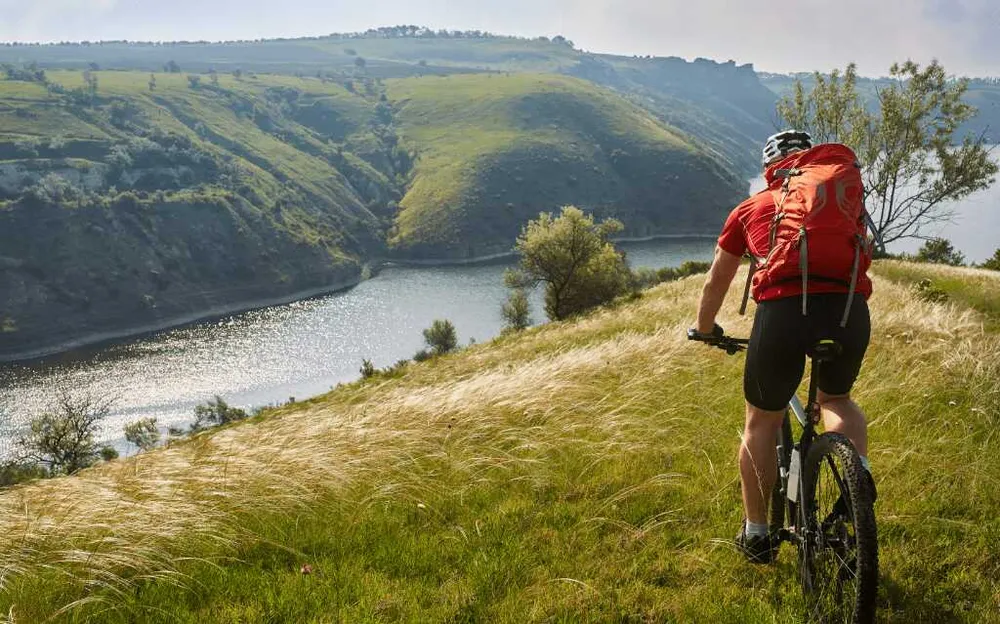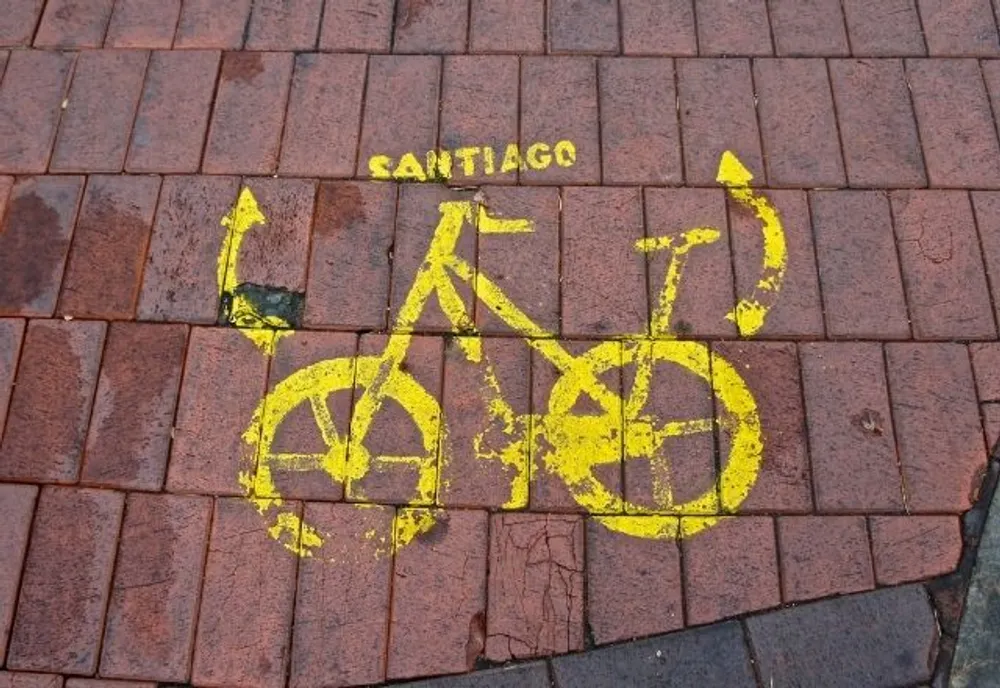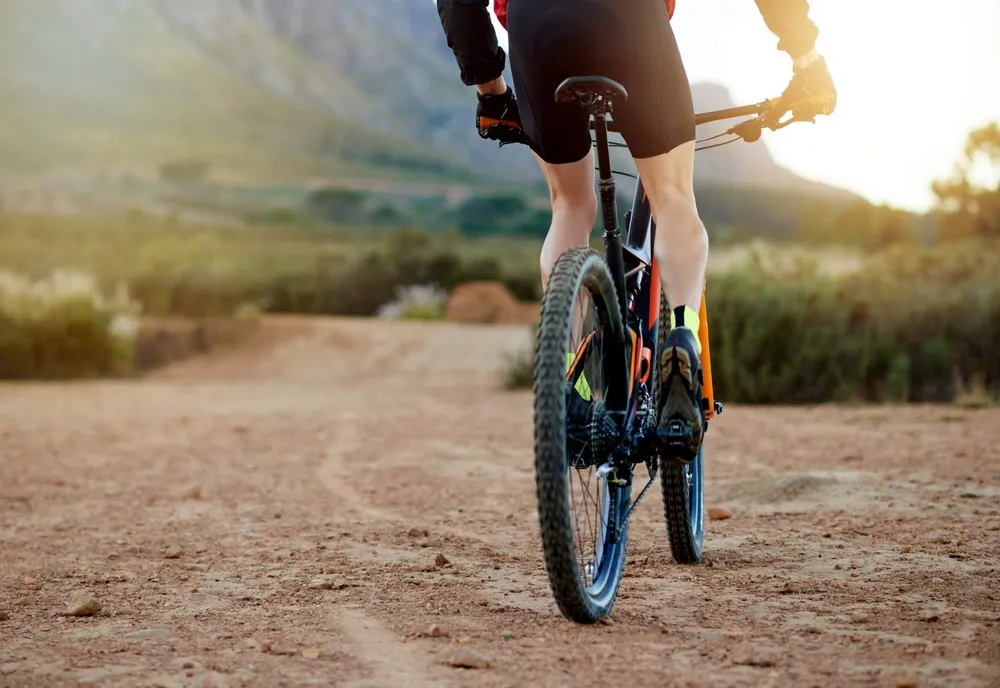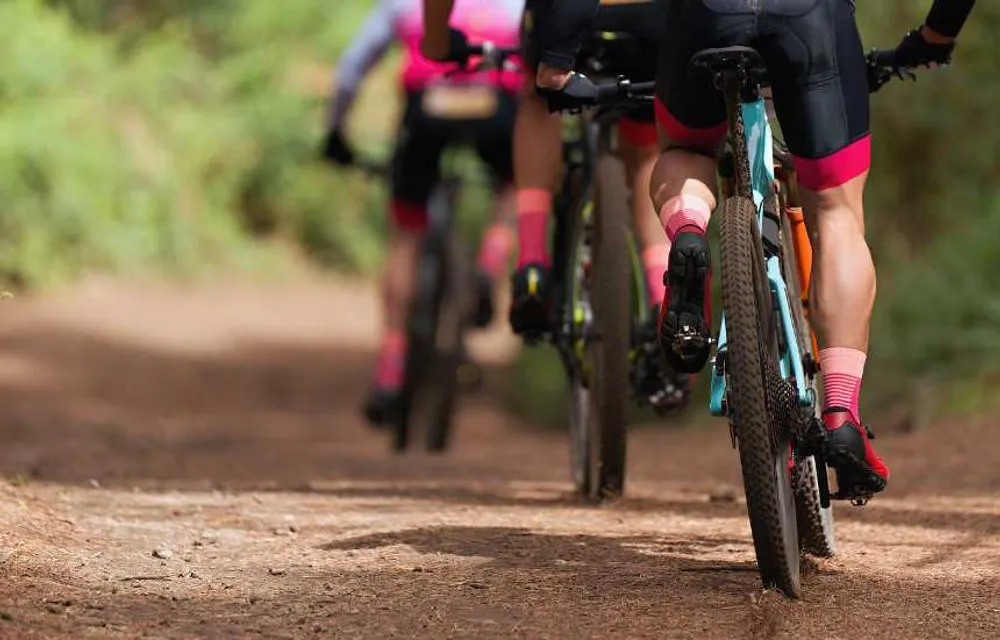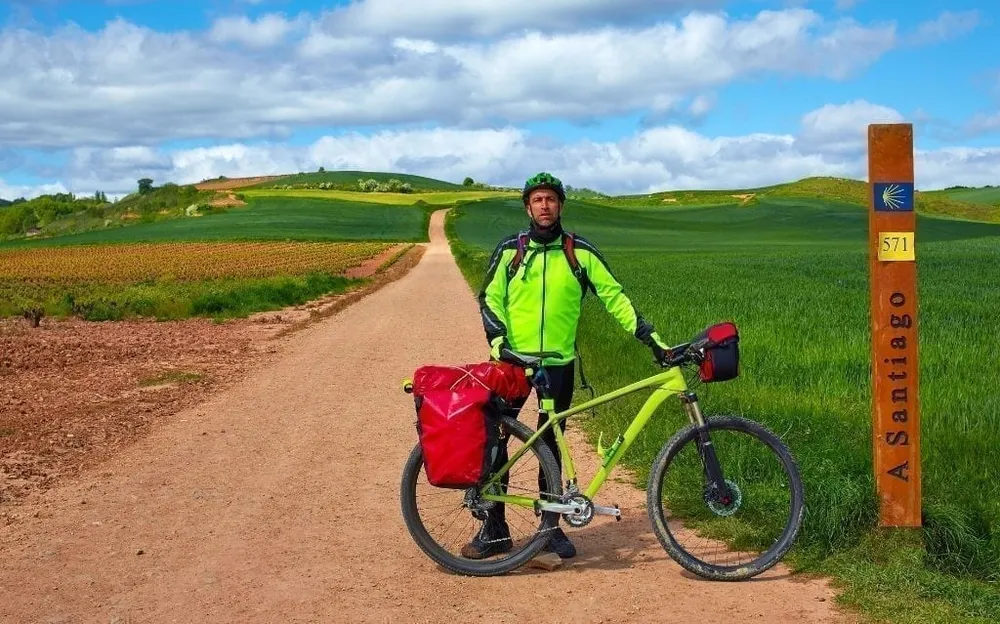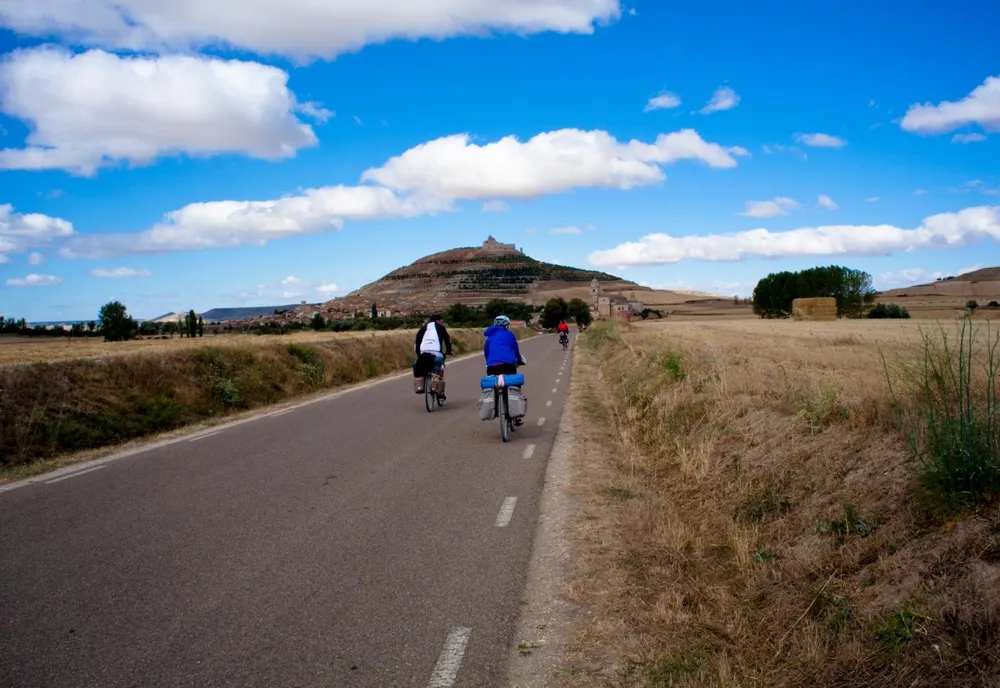
Do you want to do the Camino de Santiago by bicycle ? In our trips you will be able to hire a bicycle rental service with total guarantee of safety and quality. You will have a wide range of electric and mountain bikes, advice and shipping to anywhere in Spain and Portugal.
-
BASIC MODEL
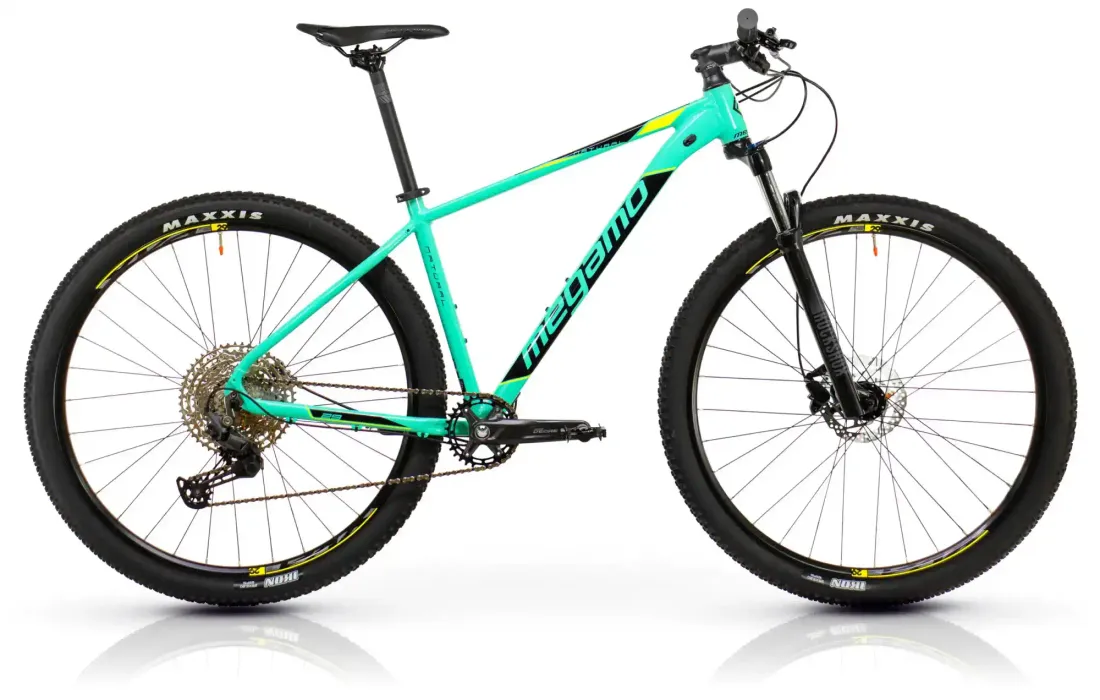
Megamo Natural 30
Meet the Megamo Natural 30, perfect for starting out on the Camino de Santiago. With its robustness and high-quality components, this bike guarantees a trouble-free experience, ensuring every kilometre is comfortable and reliable. Don’t worry about breakdowns — trust the Megamo Natural 30 to get you to Santiago without problems.
-
MAX COMFORT
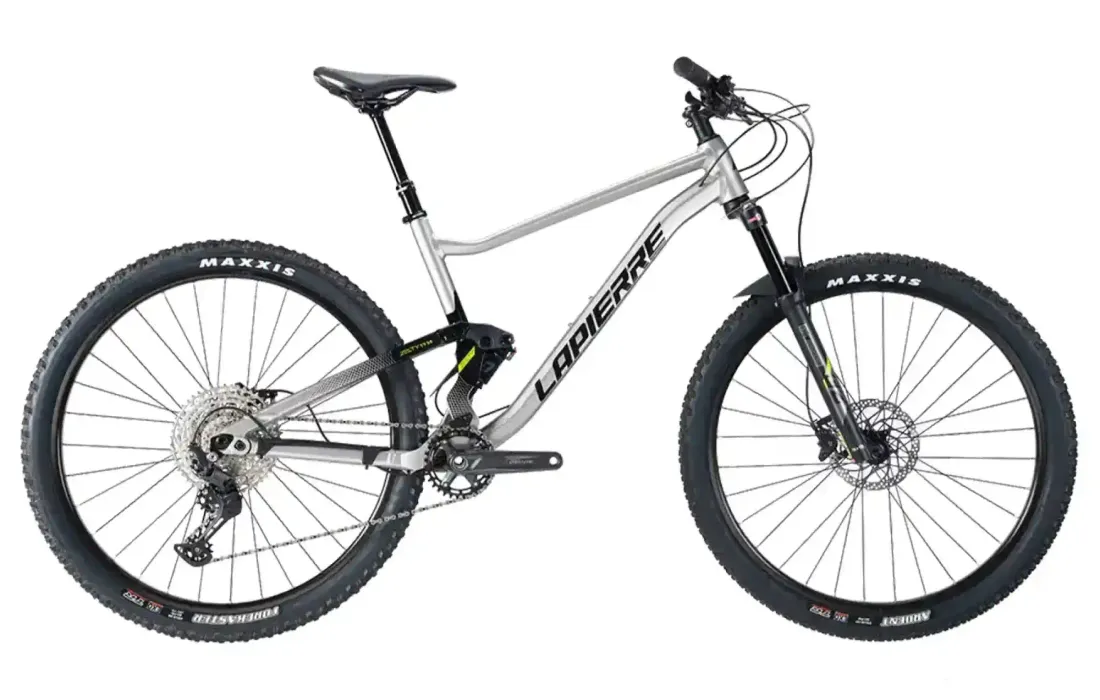
Lapierre Zesty TR 3.9
Discover the Lapierre Zesty TR 3.9, ideal for those seeking maximum comfort on their rides. Thanks to its dual suspension, this bike offers a smooth, effortless ride, absorbing every bump while maintaining optimal control. With the Zesty TR 3.9 you’ll enjoy every outing with the comfort and safety you need to tackle any terrain.
-
TECHNICAL
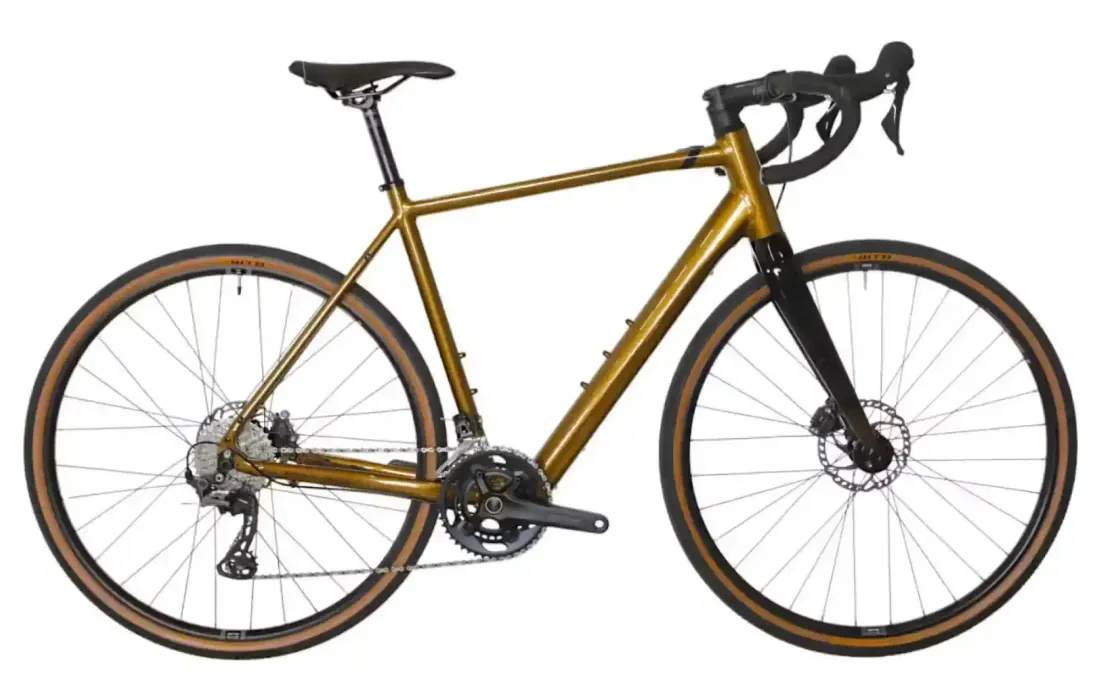
Lapierre Croshill 3.0
Meet the Lapierre Crosshill 3.0, designed for technical riders who prioritise speed and fun. This bike delivers a dynamic, exciting experience, sacrificing a little comfort for superior performance. Perfect for those seeking adrenaline and precise control on every ride.
-
ELECTRIC
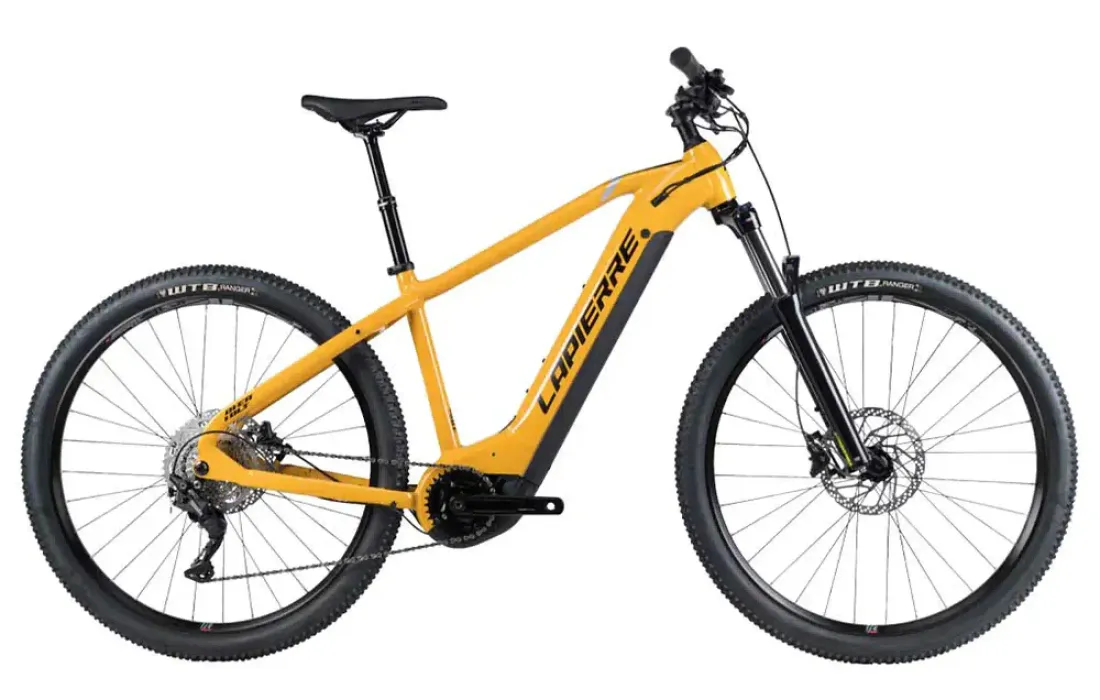
Lapierre Overholt HT 7.6
Discover the Lapierre Overvolt HT 7.6, the ideal electric bike for those who want to do the Camino de Santiago with minimal effort and in the most relaxed way possible. With its powerful motor and ergonomic design, it ensures a comfortable, fatigue-free ride, allowing you to enjoy the scenery and the experience without worries.
Frequently Asked Questions About Bicycle Rental for the Camino de Santiago
-
When to do the Camino de Santiago by bike?
The Camino de Santiago can be enjoyed at any time of the year, although there are better times of the year than others. In general, the best time to do the Camino, either on foot or by bicycle, is between late March and late October, i.e., covering spring, summer and early autumn. At this time of year the weather is milder than in winter, and the Camino is more enjoyable. However, in the central summer months, such as July and August, the Camino is full of pilgrims, with more crowded trails and less accommodation available if you travel without a reservation. -
Are bicycles allowed on the Camino de Santiago?
Of course, of course they are allowed! Many pilgrims decide to do the Camino by bike every year, and the pilgrim routes are prepared for it. However, you have to plan your bike trip well, for example, making sure that your accommodation allows you to store your bike, or transport yours at the beginning of the road, and return home with it. We offer bicycle trips, as well as bicycle rental services and even electric bicycles, so you don't have to worry about transporting your own. -
How many kilometres are cycled per day on the Camino de Santiago?
Doing the Camino by bike allows the ‘bicigrino’ to cover more kilometres per day than a pilgrim on foot, easily double. The number of kilometres cycled per day depends on several factors:- physical capabilities of each person;
- time available;
- route and section chosen (technical difficulty of the terrain);
- availability of accommodation.
-
Does the travel insurance cover specific activities such as cycling or trekking?
Yes, our travel insurance is specific for outdoor activities such as the Camino de Santiago. You will be covered, whether you do the Camino on foot or by bike. -
How much money do you need to do the Camino de Santiago?
Knowing how much money you need to do the Camino de Santiago is relative, as it depends on several factors:- Distance and duration of the route: The more kilometers, the more stages, days, and nights.
- Mode of pilgrimage: Whether you walk, bike, or ride a horse can affect your expenses.
- Type of accommodation: The cost varies depending on whether you stay in a pilgrim hostel, guesthouse, pension, or hotel.
- Type of food: It depends on whether you always eat breakfast, lunch, and dinner in bars or restaurants, or if you save money by cooking at the hostel or having a picnic.
- Transportation to and from home: Getting to the starting point and returning home is another significant expense.
- Accommodation: Between €15 and €20 per night.
- Food: Depending on your choices, if you always eat in bars or restaurants, expect to spend about €5 for breakfast and €10 for each meal. That's around €25, which can be rounded to €30 to include water and snacks during the stage.